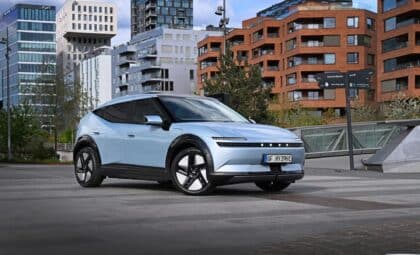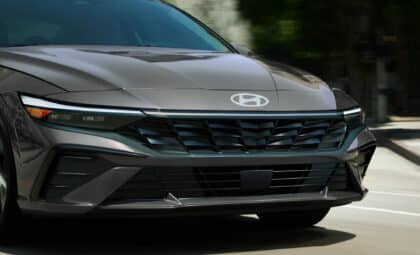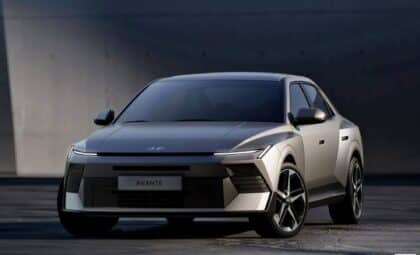

The decision marks a quiet withdrawal for a vehicle that earned strong reviews for its efficiency and design but struggled to gain traction in a market increasingly dominated by SUVs and crossovers.
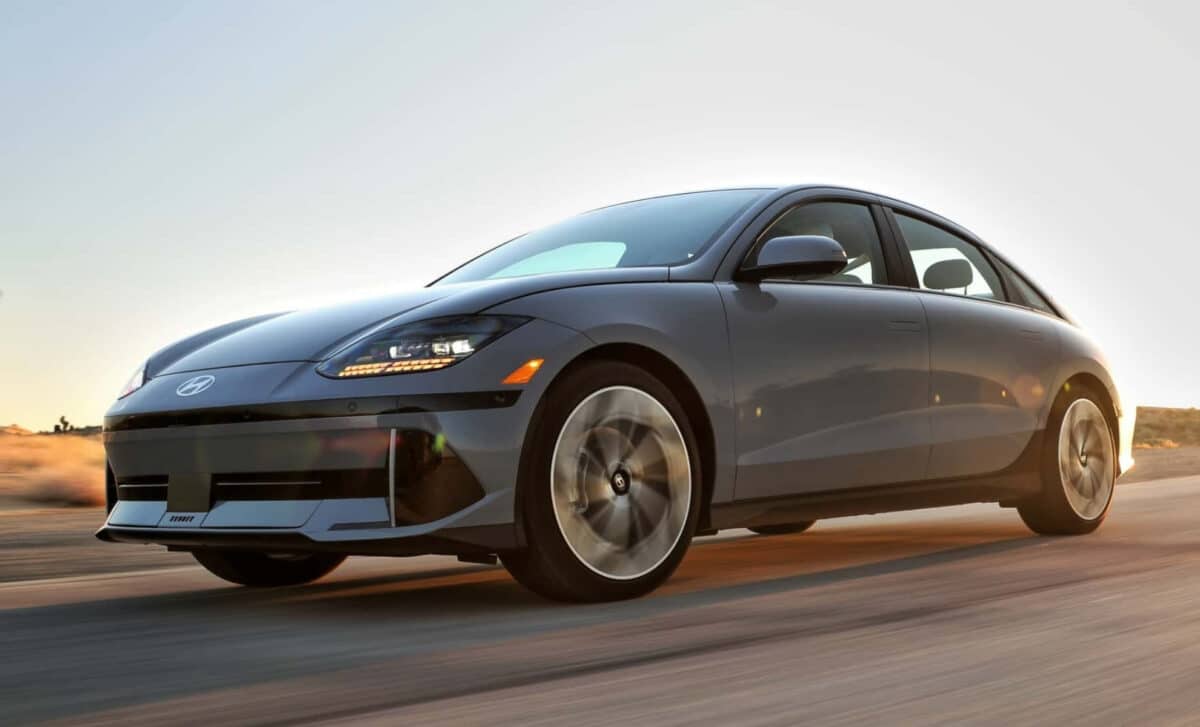
Hyundai first introduced the Ioniq 6 in the United States in 2023, positioning it as a sleek, high-efficiency electric sedan built on the same platform as the popular Ioniq 5. The car drew attention from EV enthusiasts and automotive media for its fast charging capability and long driving range. Yet, despite these qualities, its sales remained modest compared with Hyundai’s crossover offerings.
Hyundai Will Stop Shipping New Ioniq 6 Models to the U.S.
Hyundai will discontinue shipments of the standard Ioniq 6 to the United States after the 2025 model year. According to reporting by Edmunds, the automaker will not bring the 2026 model year version of the sedan to the U.S. market.
Buyers will still be able to purchase remaining 2025 inventory while supplies last. Hyundai also plans to release the high-performance Ioniq 6 N later this year, though it will be sold only in limited numbers.
The performance variant is expected to cost around $70,000, according to InsideEVs, and availability may be restricted. Apart from that version, the standard model’s presence in Hyundai’s American lineup is effectively coming to an end.
Tariffs and Production Location May Have Influenced the Decision
One factor behind the move could be tariffs linked to the car’s production location. According to Edmunds, the Ioniq 6 is manufactured in South Korea, which may expose it to tariff pressures in the U.S. market.
In contrast, Hyundai assembles other electric models such as the Ioniq 5 and the upcoming Ioniq 9 in the United States. Both are produced at Hyundai’s Metaplant America facility in Georgia, giving them a potential advantage in a policy environment that increasingly favors domestic manufacturing. This difference in production location may have played a role in the company’s strategy for its EV lineup in the United States.
Weak Sales and a Difficult Market for Electric Sedans
Sales performance also appears to have contributed to the model’s withdrawal. Hyundai sold about 10,000 units of the Ioniq 6 in the United States last year, representing a 15% decline from the previous year. The situation worsened early this year. Hyundai sold only about 573 units of the Ioniq 6 in the first two months, while its crossover sibling, the Ioniq 5, surpassed 5,000 units sold year-to-date.
Industry conditions also shifted. After the $7,500 federal tax credit expired last September, EV sales dropped sharply due to what analysts described as a pull-forward demand effect, meaning buyers accelerated purchases before incentives ended. Despite these numbers, the Ioniq 6 was widely regarded as a technically competitive electric vehicle.
A Competitive EV That Struggled in an Suv-Dominated Market
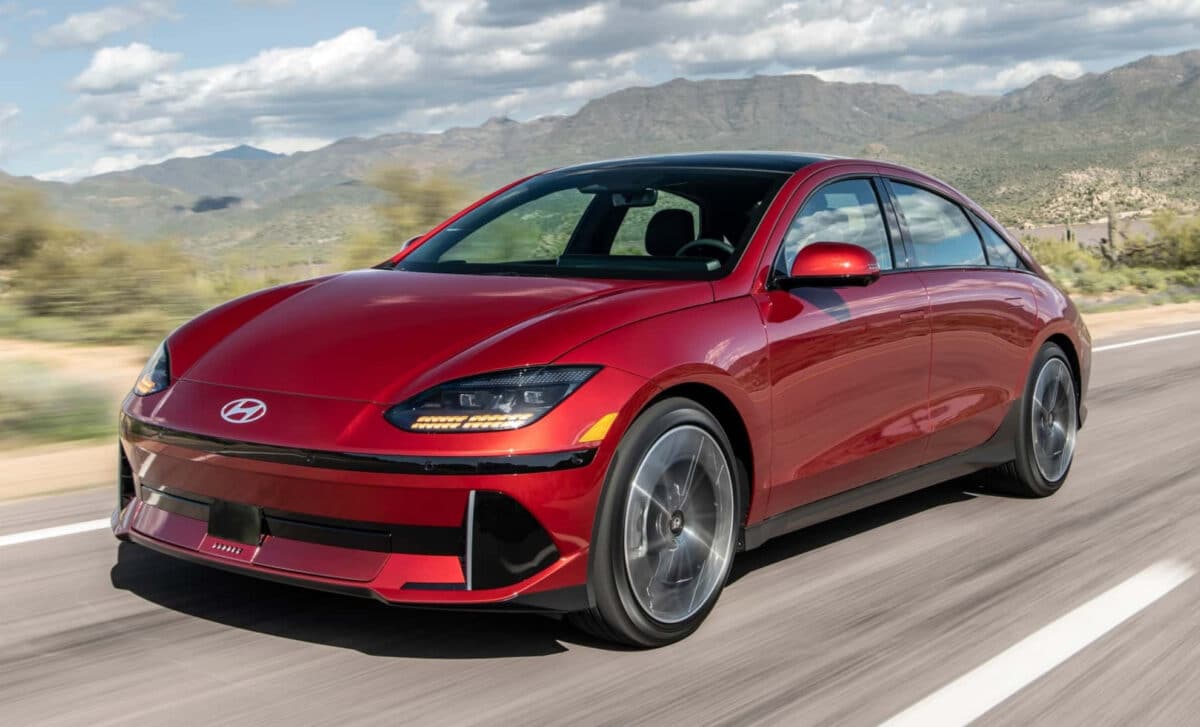
When it launched in the U.S. in 2023, the Ioniq 6 stood out for its performance and efficiency. The sedan offered an EPA-estimated range of 342 miles and could charge from 10% to 80% in about 18 minutes using 350-kilowatt fast chargers.
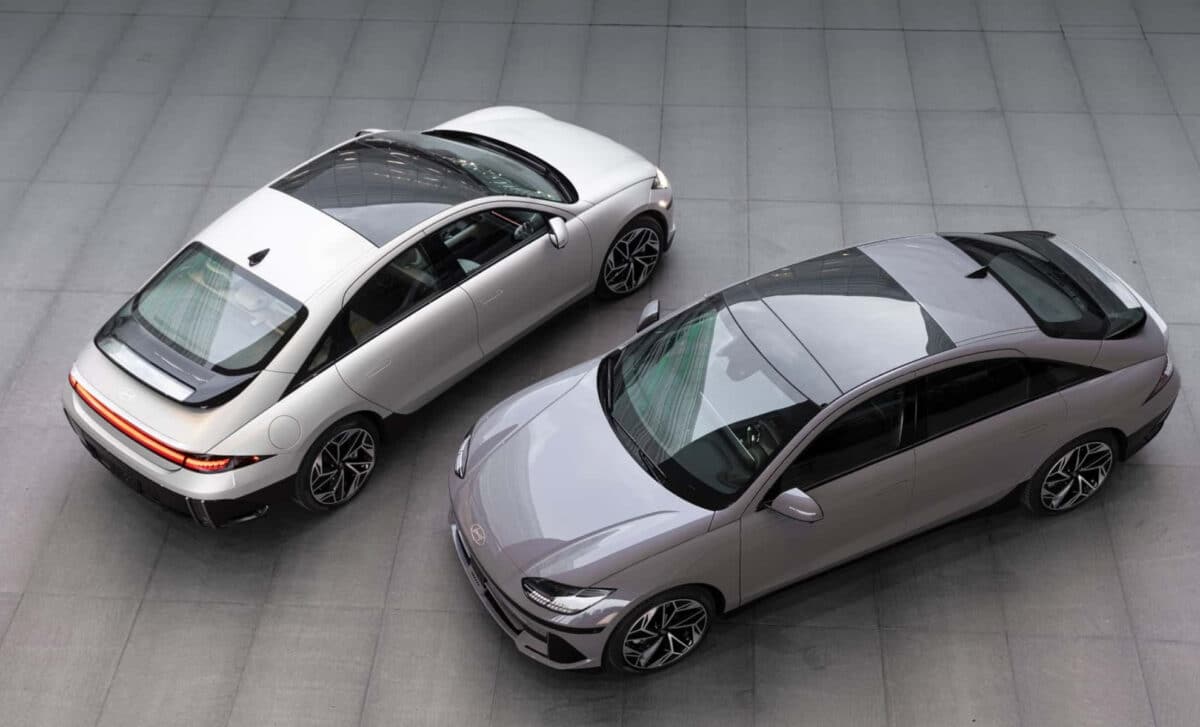
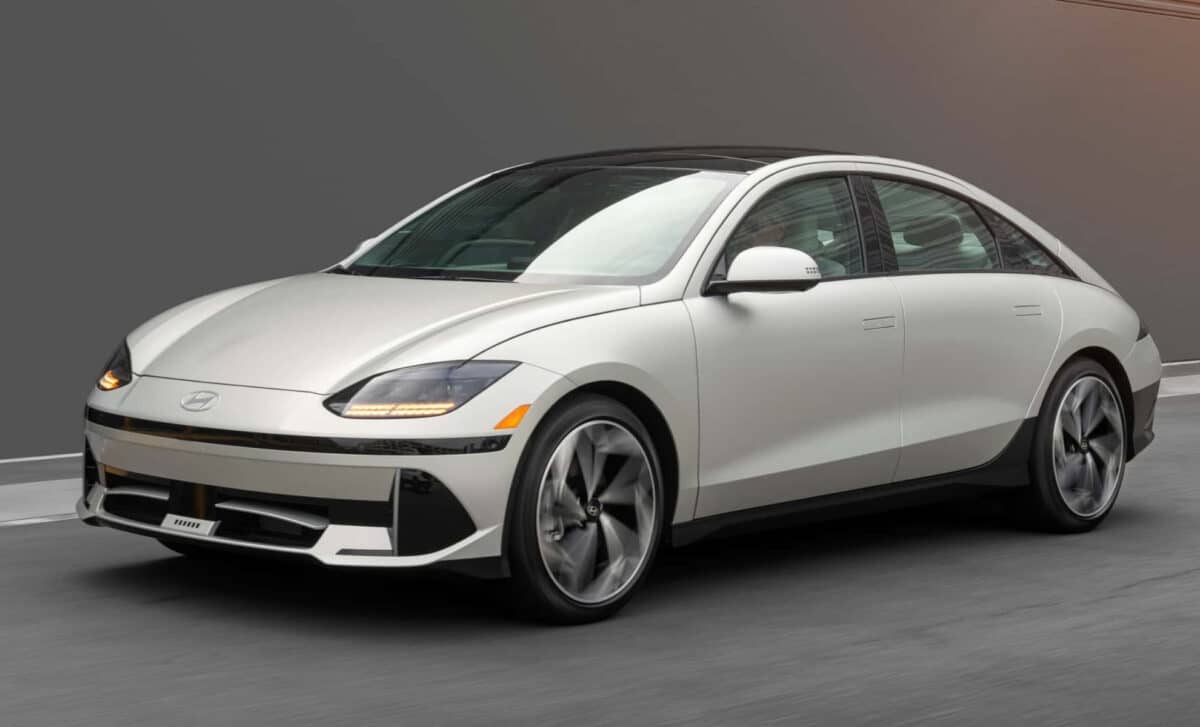
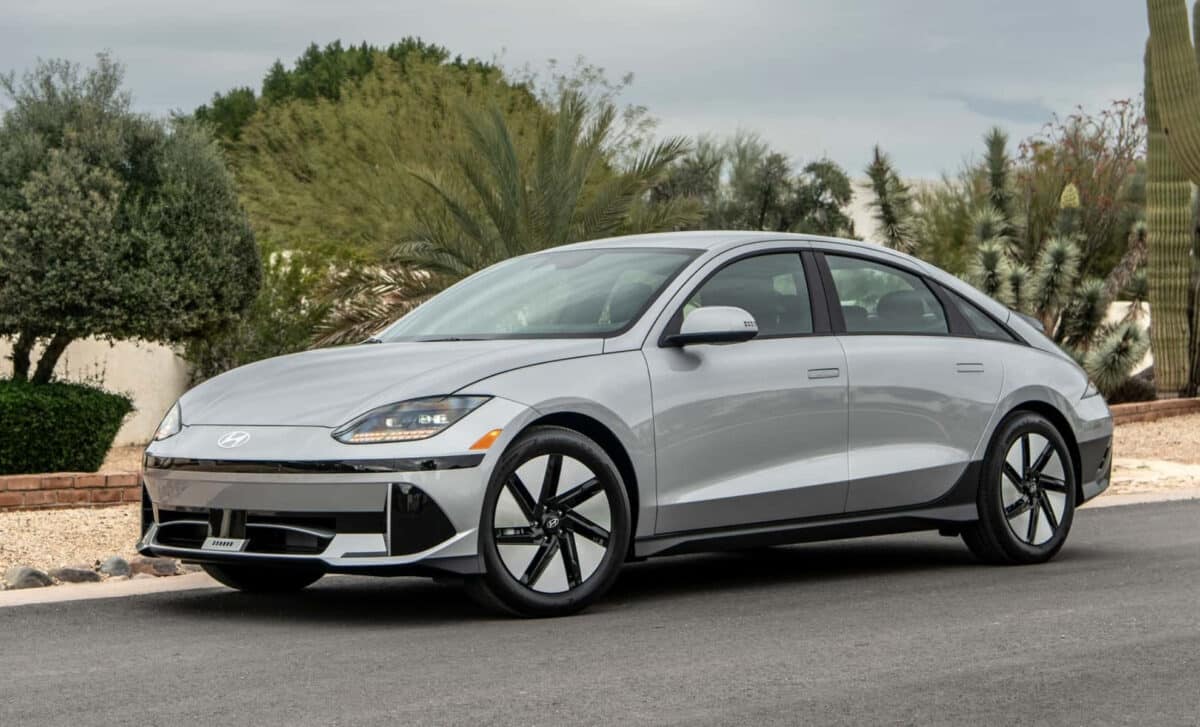
Those capabilities come from Hyundai’s 800-volt electrical architecture, a system that enables faster charging than many competing EVs.The car’s styling also drew attention. Hyundai described the design as an “Electrified Streamliner,” highlighting its aerodynamic body and distinctive dual rear spoilers. Automotive media praised the model for its efficiency and engaging driving characteristics. Even so, its sedan format may have limited its appeal in a U.S. market increasingly dominated by SUVs.
The Ioniq 6 is now joining a broader list of electric vehicles disappearing from the U.S. market this year. That list includes the Acura ZDX, Ford F-150 Lightning, Volkswagen ID.Buzz, and Mercedes-Benz EQS and EQE. Some of those models, such as the Volkswagen and Mercedes EVs, remain available in Europe.