For years, electric vehicles carried significantly higher upfront prices than traditional cars. Recent data suggests that difference is slowly shrinking as pricing trends shift across the auto industry and manufacturers increase incentives to attract buyers.
At the same time, the EV market is experiencing mixed signals. While prices are easing and discounts are increasing, overall sales have slowed, highlighting a more complex phase in the transition toward electric mobility.
EV Prices Edge Down While Gas Car Prices Rise
The average transaction price for a new electric vehicle reached about $55,300 in February. According to Kelley Blue Book estimates, this represents a 1.4 percent decrease compared with the same month last year and a 0.6 percent drop from January.
Meanwhile, prices for gasoline-powered vehicles crept upward during the same period. Because of these opposite trends, the gap between EVs and internal combustion engine vehicles narrowed to about $6,500, one of the smallest differences recorded in recent years.
The price gap between the two categories used to be far larger. As reported by Supercar Blondie, electric vehicles were often perceived as dramatically more expensive than their gas-powered counterparts, which reinforced the view that gasoline cars were the cheaper option.
Automakers Increase Incentives to Boost EV Demand
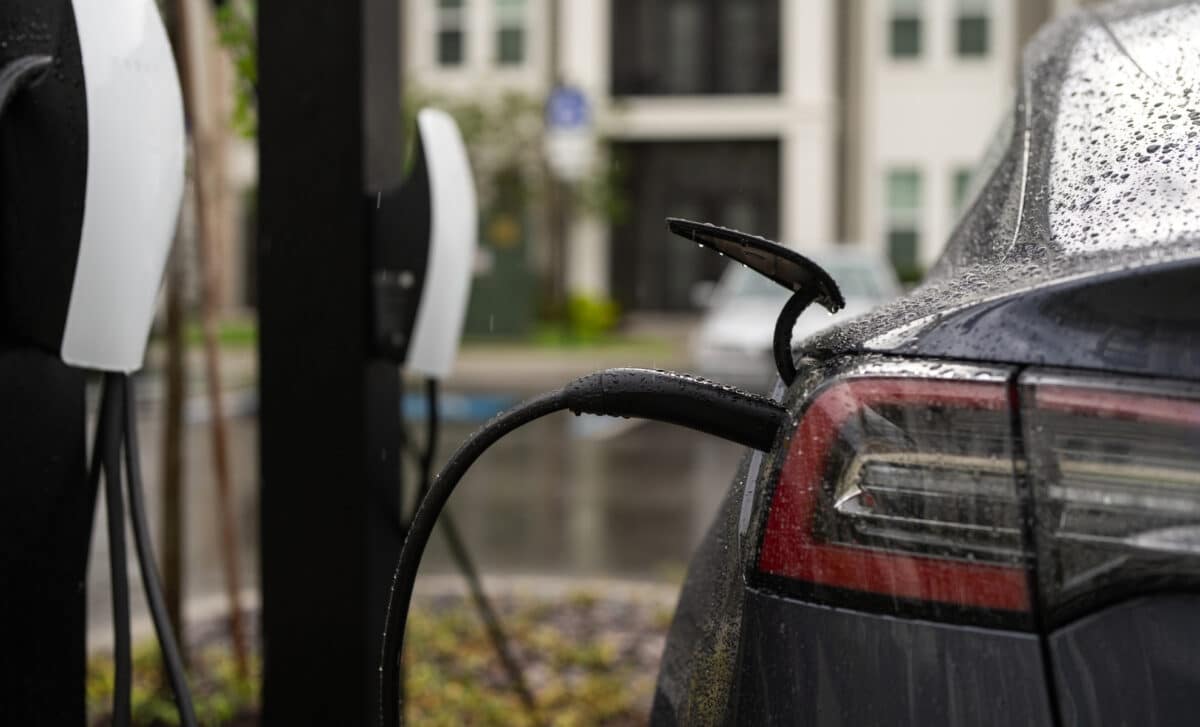
Beyond the listed price of vehicles, incentives are playing a growing role in the EV market. According to Electrek, the average incentive package for electric vehicles reached about 14.2 percent of the vehicle’s transaction price in February. The previous month, incentives averaged around 12.4 percent.
These incentives are more than double the discounts typically offered across the broader automotive market. In practical terms, automakers and dealerships are offering larger financial incentives in order to keep EV sales moving.
These increased discounts, combined with slightly falling EV prices and rising gasoline vehicle prices, are helping reduce the price gap between the two types of vehicles.
Tesla raises prices while EV sales decline
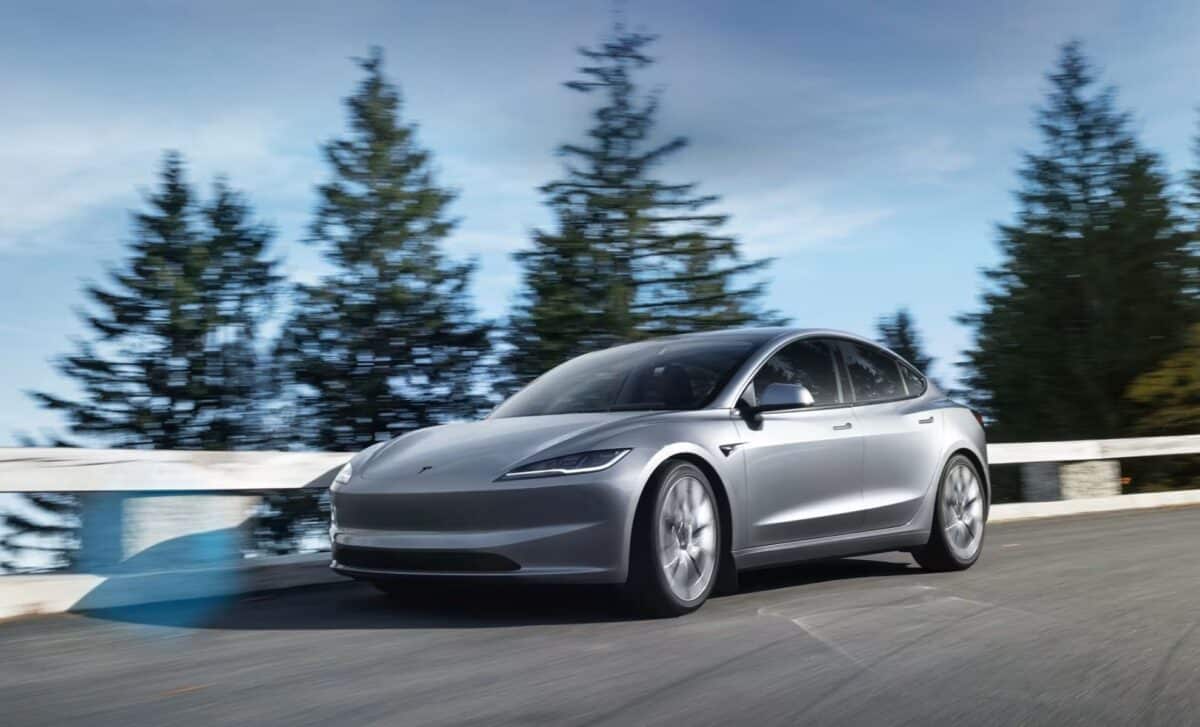
Tesla, which remains the leading EV automaker in the United States, moved in the opposite direction on pricing. Tesla’s average transaction price increased to $53,821 in February, about 3 percent higher than a year earlier.
Sales, however, declined. Kelley Blue Book estimates Tesla sold roughly 38,500 vehicles during the month, representing a year-over-year drop of 8.9 percent. This was Tesla’s lowest monthly sales figure since late 2021.
The slowdown extends beyond Tesla. Overall electric vehicle sales fell by about 26 percent year over year in February, indicating a broader dip across the EV market even as the price gap with gasoline cars continues to narrow.