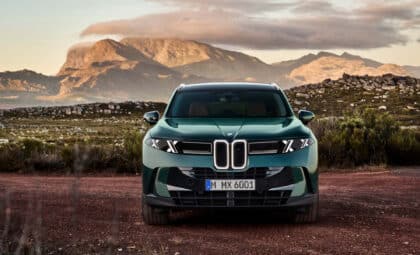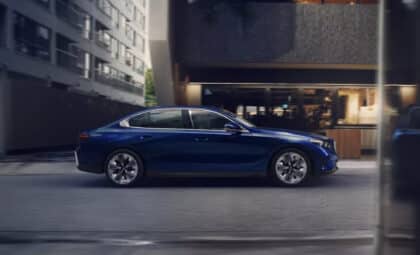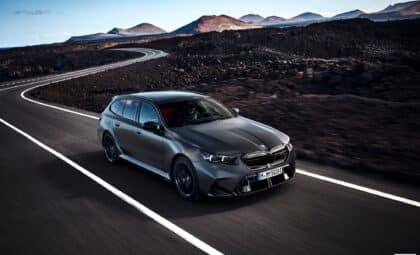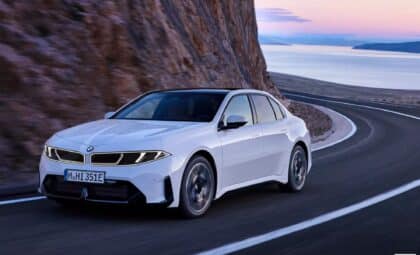

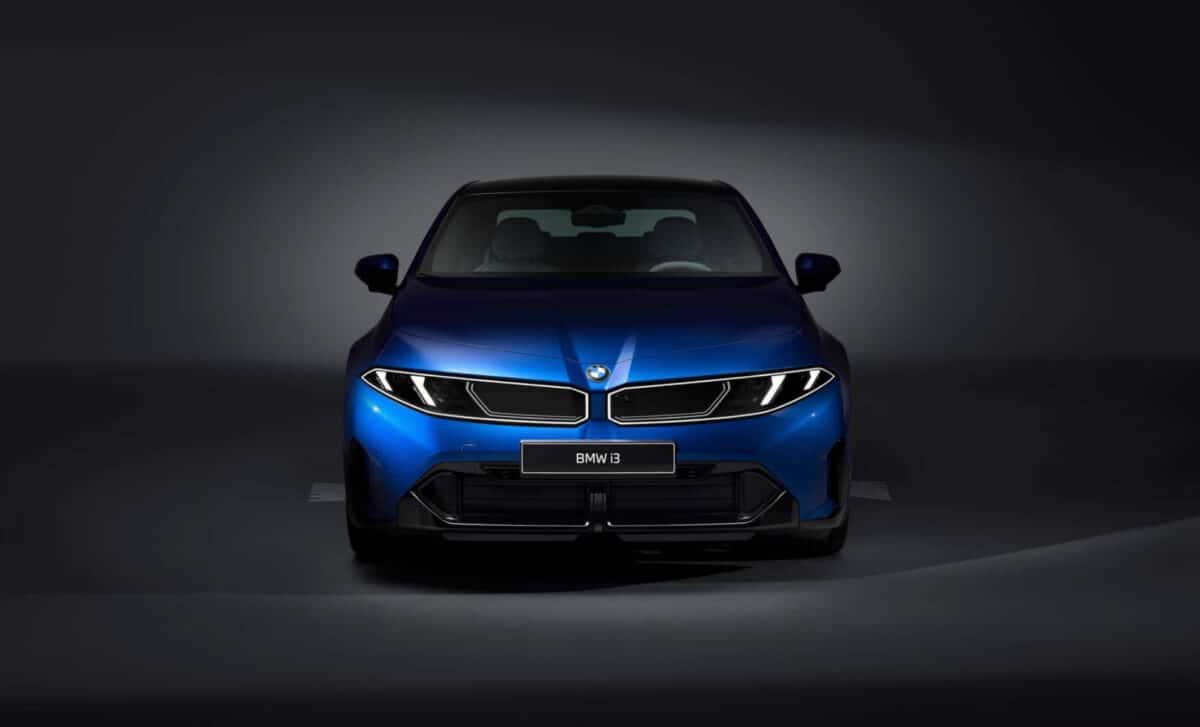
The name carries weight, and BMW knows it. The 3 Series has historically been the automaker’s most important nameplate, a benchmark for driving dynamics and engineering precision in the mid-size sedan segment. Making an electric version of it was never going to be a casual exercise. The new i3, not to be confused with the compact hatchback BMW sold under the same badge in the 2000s, is built on an entirely different foundation, both literally and philosophically.
To understand why the i3 represents a significant step forward, it helps to know where it comes from. The car rides on BMW’s new Neue Klasse 800-volt platform, the same architecture that underpins the recently launched iX3 SUV. The platform enables faster charging, more efficient energy management, and, crucially, a lower ride height than what was possible with previous-generation EV packaging. BMW’s decision to apply this technology to the 3 Series, one of the most scrutinized cars in the industry, signals that the company considers this platform mature enough for its flagship product.
A Range Monster Built From the Ground Up
The headline number is 440 miles. According to InsideEVs, BMW arrived at that figure by replicating EPA testing procedures, making it a serious estimate rather than a marketing approximation. To put that in perspective, the Tesla Model 3 Premium Rear-Wheel Drive achieves 363 miles of range, while the largerTesla Model S, a vehicle that will soon be discontinued, tops out at 410 miles. The i3 surpasses both.
The range achievement is tied directly to how the battery is built. BMW uses new cylindrical cells assembled via a cell-to-pack method, which eliminates the intermediate module step typically found in EV battery construction. The result is a flatter, lighter battery pack that also doubles as the car’s structural floor. This reduces overall complexity and weight, which in turn extends how far the car can travel on a single charge.
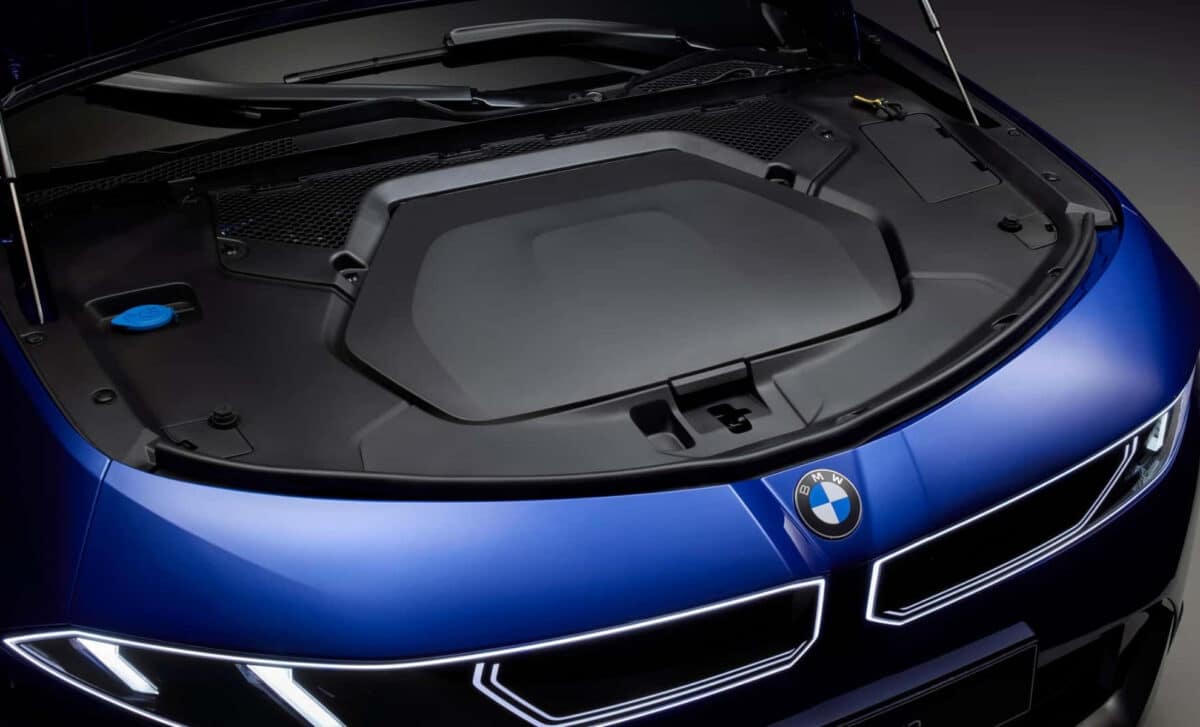
The first variant heading to the American market is the i3 50 xDrive, an all-wheel-drive configuration powered by two motors producing a combined 463 horsepower and 467 pound-feet of torque. The rear wheels are driven by an electrically excited synchronous motor, while the front axle uses an asynchronous motor, a deliberate engineering choice that BMW says makes the i3 the smoothest-stopping car it has ever produced. Physical brakes are only engaged during very sporty driving or emergency braking; the electric motors handle virtually all deceleration.
Charging Infrastructure and Everyday Usability
Fast charging is the second pillar of the i3’s value proposition. The car can accept up to 400 kilowatts of DC fast charging power, and while BMW has not yet specified the exact 10-to-80 percent charging time, the similarly equipped iX3 SUV completes that window in under 25 minutes, suggesting the i3 will land in comparable territory.
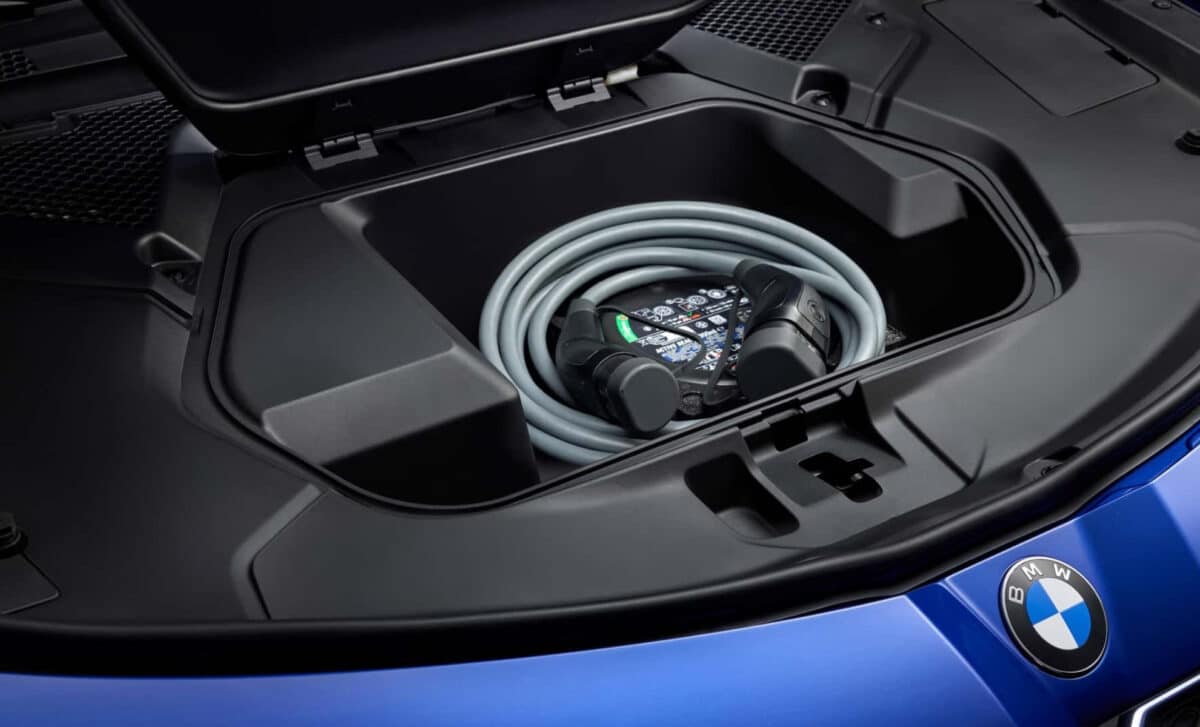
A battery preconditioning system, which can be activated automatically through the navigation system or manually by the driver, brings the battery to its optimal temperature ahead of a charging stop to ensure maximum power intake. In the United States, the car comes equipped with a NACS charge port featuring an automatically opening and closing cover.
Beyond fast charging, BMW has built bidirectional energy capability into the i3 as standard. Vehicle-to-load functionality allows up to 3.7 kilowatts of power output, enough to run appliances, devices, or tools. With additional hardware, the system can power an entire home. On the electrical architecture side, BMW has replaced traditional fuses with electronic eFuses, and organized the car’s wiring into four separate electrical zones to reduce cable weight and complexity.
Interior Technology and Design Direction
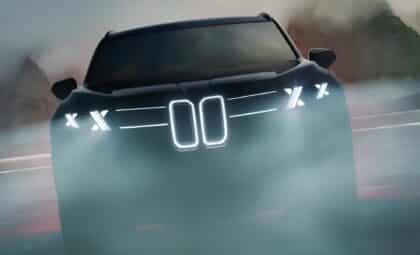
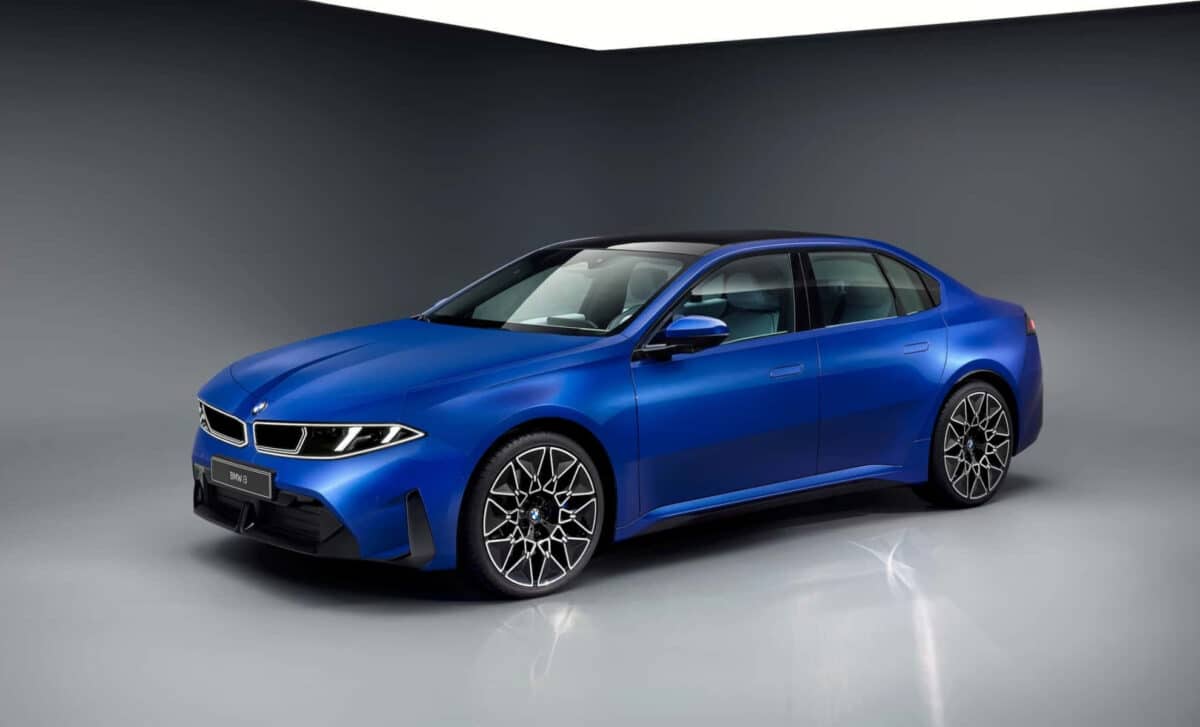
Inside, the i3 moves away from some of BMW’s more polarizing recent design choices. The oversized grille that drew criticism on several recent models is gone; in its place is a sleeker front end with what BMW describes as a shark-like nose and a new lighting signature. At the rear, the horizontal taillights depart from the L-shaped design of the standard 3 Series and reinterpret that classic element in what the company calls an abstract form.
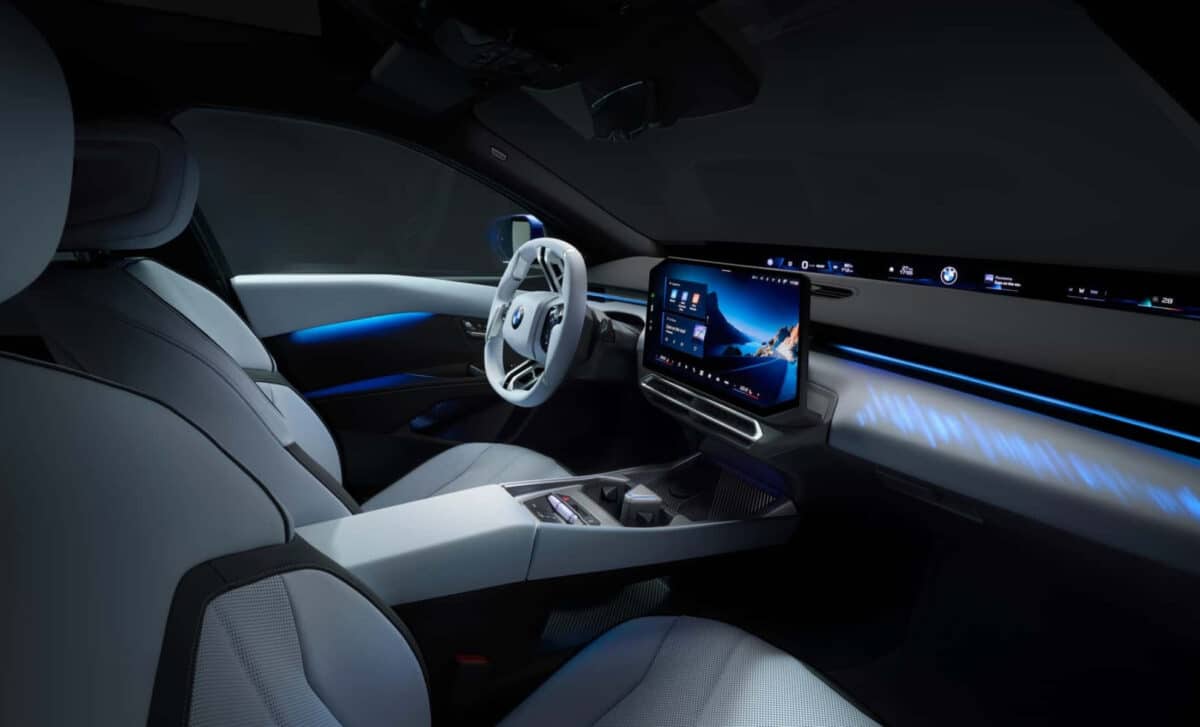
A panoramic glass roof comes standard, as does a 17.9-inch central display and a full-width Panoramic Vision display that sits at the base of the windshield. An optional 3D head-up display is also available. The infotainment system runs on BMW Operating System X and integrates Amazon’s Alexa+ AI voice assistant, accessible via a “Hey BMW” trigger that allows the driver to interact conversationally without touching a screen. Over-the-air software updates are supported. A digital smartphone key is also included as standard equipment.
For drivers who care about the handling legacy of the 3 Series, BMW says the i3 preserves those qualities, with an optional Adaptive M suspension available. The car will be built at BMW’s historic Munich plant starting in August, with European deliveries expected in autumn of this year. U.S. sales are scheduled to begin in 2027. Pricing has not yet been announced.