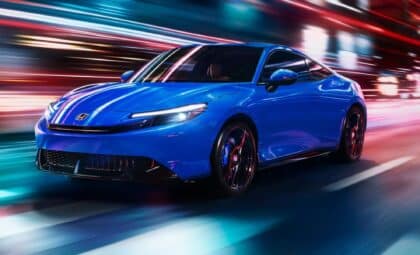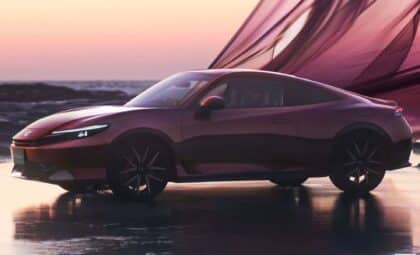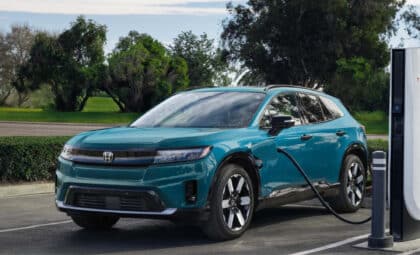

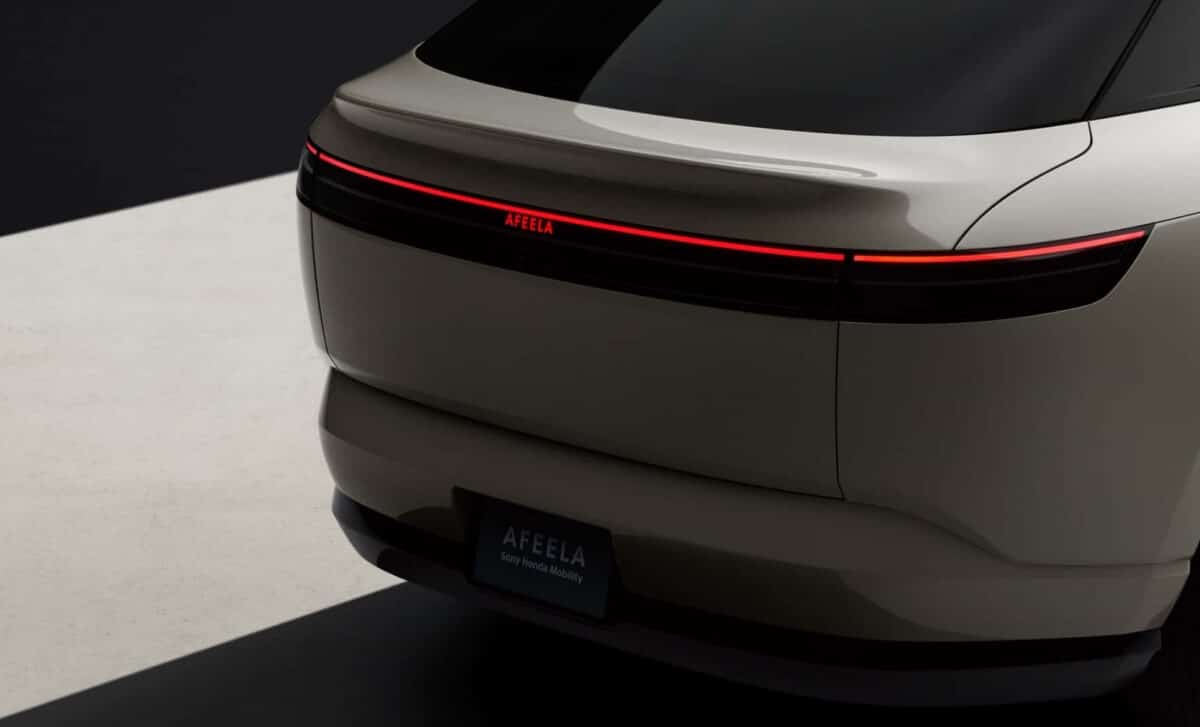
The Afeela project had been one of the most closely watched collaborations in the automotive and tech industries since Sony first unveiled its electric sedan concept at CES 2020, followed by an SUV a year later. In 2022, Sony partnered with Honda to form Sony Honda Mobility (SHM), aiming to bring these vehicles to market as premium, technology-focused EVs.
That ambition has now been put on hold. Both companies confirmed that the cancellation is tied to Honda’s reassessment of its electrification plans, a shift that has already led to the termination of several in-house EV programs. The move also highlights the growing uncertainty surrounding high-end electric vehicle positioning in an increasingly competitive market.
A Strategic Shift at Honda Disrupts Afeela Development
According to Motor1, Honda announced on March 12, 2026 that it was revising its broader electrification strategy, a decision that directly impacted the Sony Honda Mobility joint venture. The companies stated that changes in the EV market, combined with this reassessment, altered the foundational assumptions behind SHM’s operations.
In a joint statement, Sony and Honda explained that planned technologies and assets provided by Honda were no longer available in their original form. This included elements tied to a dedicated EV platform that has since been scrapped. As a result, development and launch plans for both the Afeela 1 sedan and the second model, an SUV, were discontinued.
The decision extends beyond these two vehicles. Honda had already canceled additional EV projects, including the Acura RSX revival and models from its 0 Series lineup, signaling a broader internal restructuring.
A Near-Production EV Program Halted Late in Development
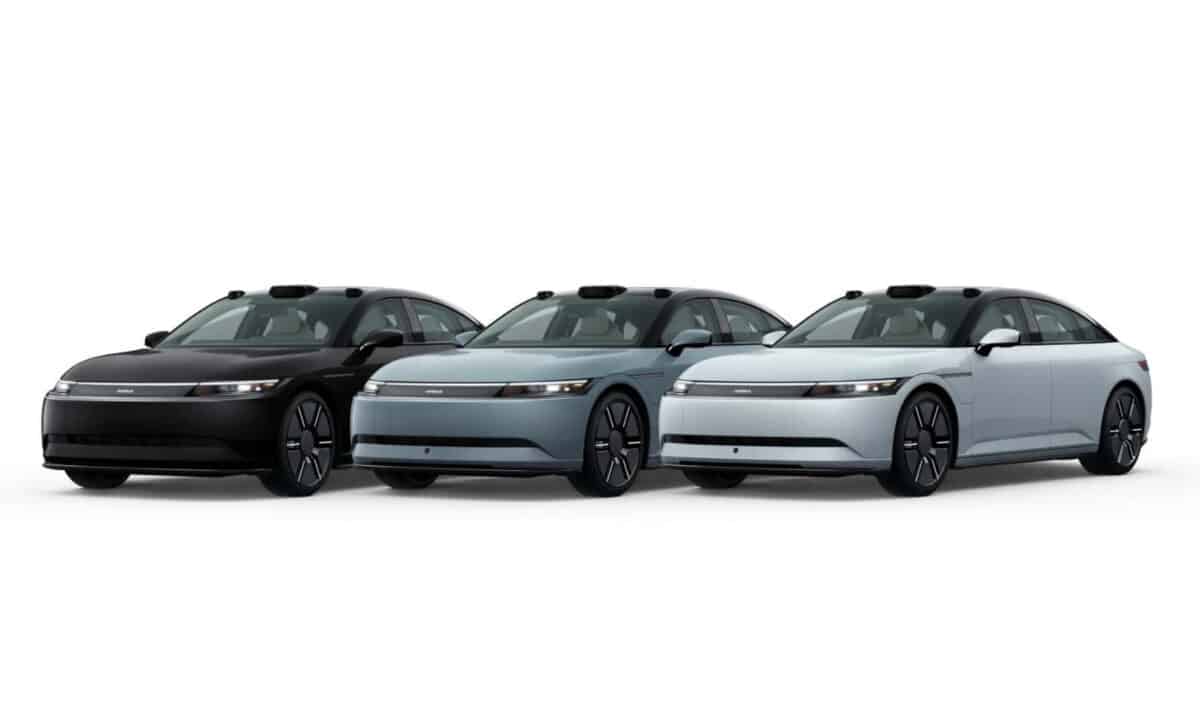
The cancellation comes at an advanced stage of development. According to InsideEVs, the Afeela 1 sedan had already entered pre-production at Honda’s East Liberty Auto Plant in Ohio, with customer deliveries initially scheduled for late 2026.
Two versions of the sedan had been planned: the Signature trim priced at $102,900 and the Origin variant at $89,900, which was expected to arrive in 2027. These plans will no longer materialize.
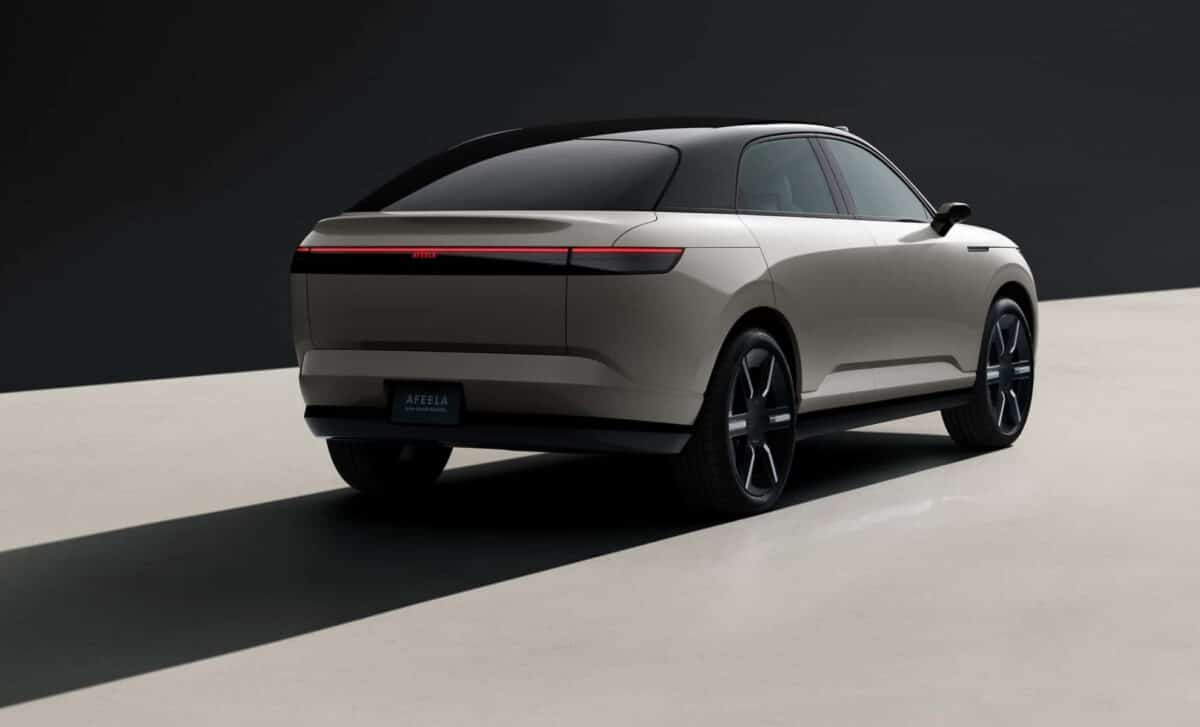
The second Afeela model, described as a four-door SUV, was also in development and could have reached the market as early as 2028. The abrupt halt of both programs at this stage is notable, as automakers rarely cancel vehicles that have already progressed to pre-series manufacturing.
Technology Ambitions Met a Shifting EV Market
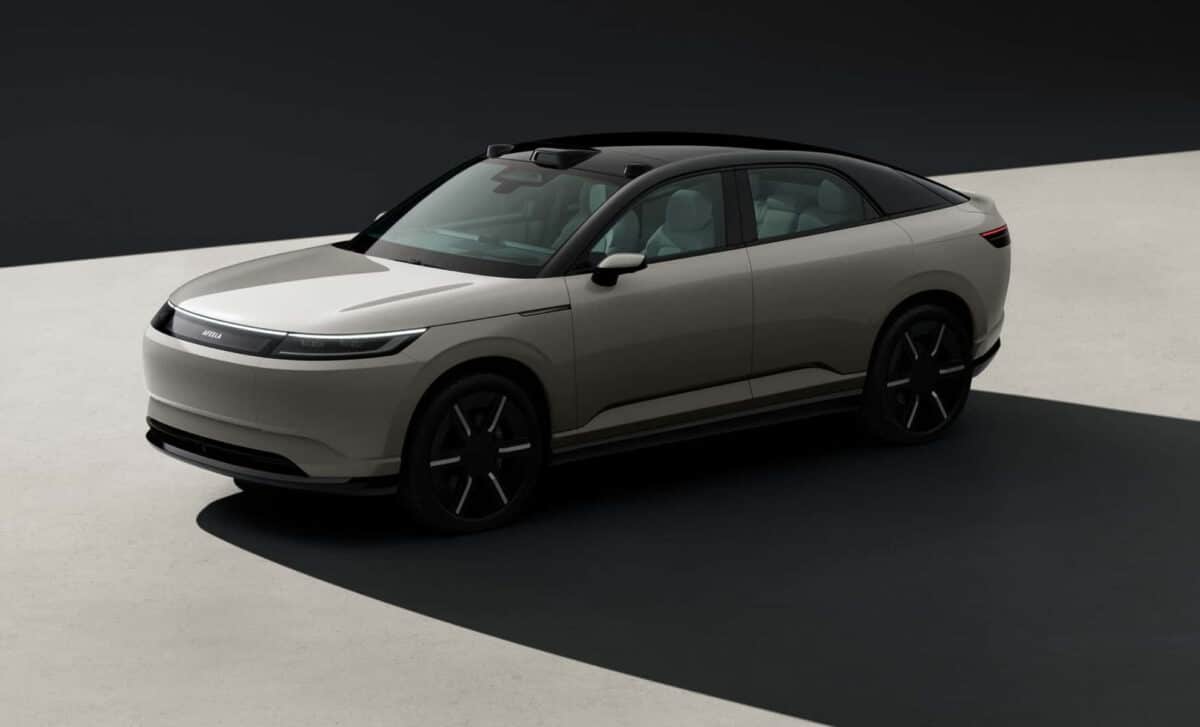
The Afeela lineup was positioned as a technology-driven offering, centered on advanced driver assistance and future autonomous capabilities. The sedan featured a suite of 40 sensors, including 18 cameras, one lidar unit, nine radars, and 12 ultrasonic sensors, with the goal of enabling hands-off and eventually eyes-off driving.
Despite these ambitions, the vehicle’s core specifications appeared less competitive. The Afeela 1 offered an estimated range of around 300 miles and a maximum charging input of 150 kilowatts, alongside a Tesla-style NACS charging port.
Pricing also raised questions about market positioning. With a starting price near $90,000, the sedan entered a segment where competition is increasing, often with more aggressive pricing or stronger performance metrics.
At the same time, the broader EV landscape remains mixed. Several manufacturers, including Ford, Ram, Tesla, and Chevrolet, have recently scaled back or discontinued certain electric models, while others such as Rivian, BMW, Volvo, and Polestar continue to expand their lineups.
Sony and Honda have confirmed that they are not dissolving their partnership. The companies stated they will review the direction of Sony Honda Mobility and plan to announce their mid- to long-term positioning and contributions to future mobility at a later date.