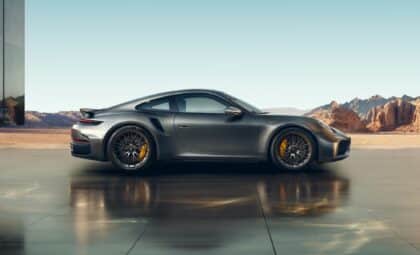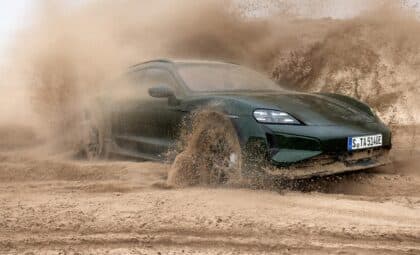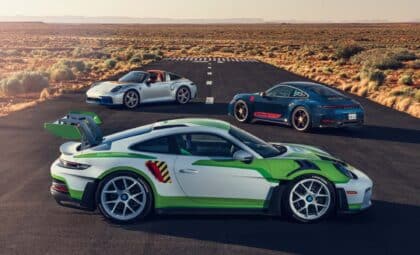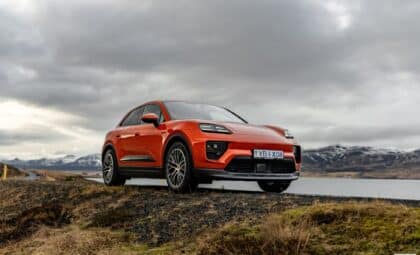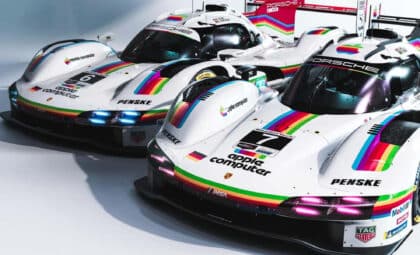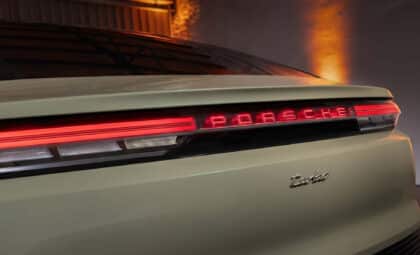
The German automaker had previously projected that electric vehicles would account for more than 80 percent of its sales by the end of the decade. That objective has now been abandoned, with EVs representing 22.2 percent of total shipments last year. This shift reflects broader market realities rather than a complete reversal of electrification plans.
At the same time, Porsche is preparing a new wave of combustion-powered and hybrid models, including SUVs and sports cars, while maintaining electric programs in parallel. The result is a dual-track strategy that blends legacy powertrains with newer technologies.
Porsche Extends Combustion Engine Timeline Into the 2030s
Porsche has made clear it does not intend to phase out internal combustion engines anytime soon. Speaking to Auto Express, Cayenne product boss Ralf Keller stated that the company plans to keep combustion engines and hybrids available “far into the next decade”.
This announcement confirms a strategic pivot. The company is no longer pursuing the aggressive EV adoption target set in 2022, as demand has not met expectations. Vehicles without combustion engines accounted for just over one-fifth of shipments last year, illustrating the gap between projections and actual market uptake.
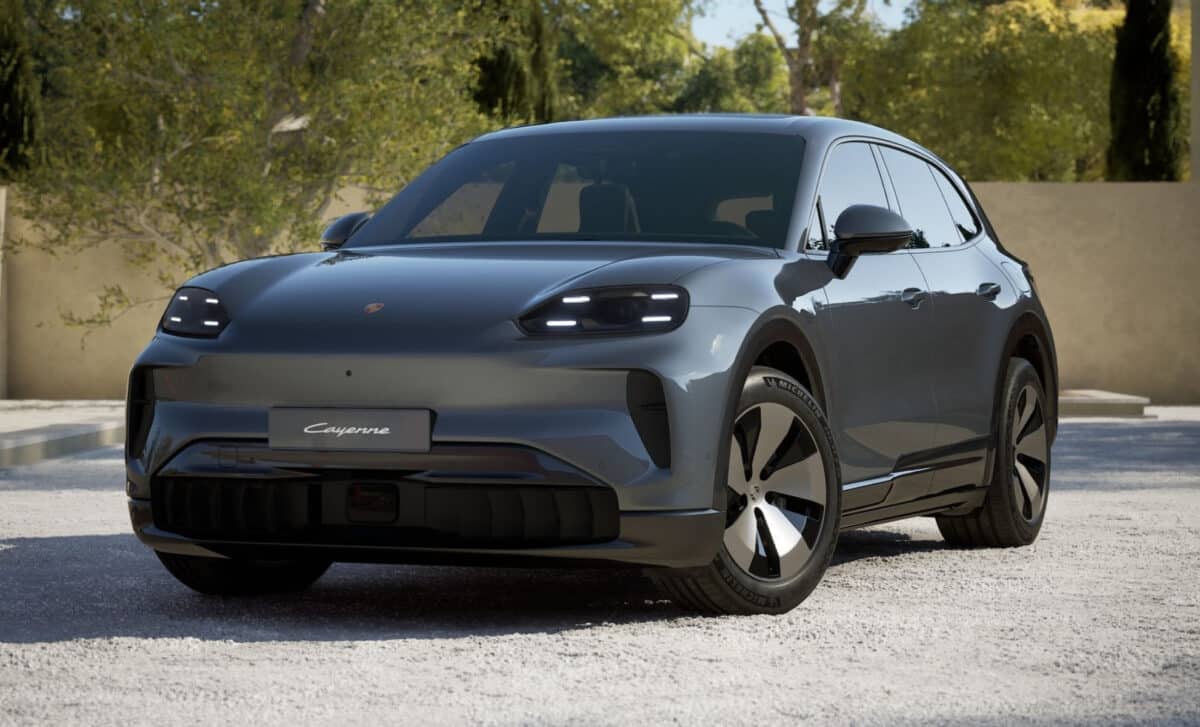
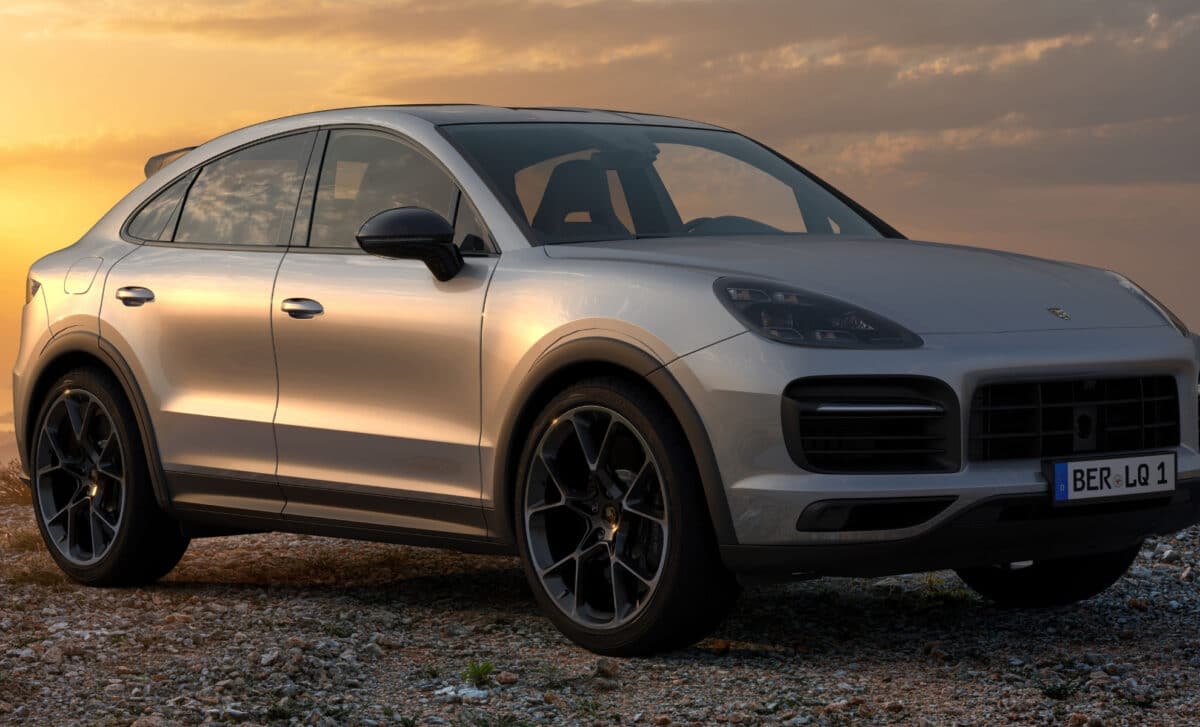
The Cayenne is expected to lead this renewed push. The current generation dates back to 2017, with a facelift introduced in 2023, and a replacement is likely within the next few years. An electric version of the Cayenne is scheduled for 2027, but it will remain exclusively electric and will not support mixed powertrains.
New Models and Platforms Signal a Hybrid Strategy
Several upcoming models underline Porsche’s continued investment in combustion technology. Plans include a new crossover to replace the first-generation Macan, which will initially launch with internal combustion engines. A larger three-row SUV is also in development, arriving first with ICE power.
Both vehicles are expected to use the Premium Platform Combustion architecture co-developed with Audi. This platform will also underpin the Macan successor, which will again be closely related to the Audi Q5.
The next-generation Cayenne may share technical foundations with future Audi models such as the third-generation Q7 and the larger Q9. These vehicles will use the PPE architecture, an evolution of MLB Evo, designed to support hybrids and more advanced electrical systems.
Meanwhile, Porsche’s sports car lineup is also evolving. The 718 Boxster and Cayman are set to return with combustion engines after their discontinuation in Europe in 2024 due to cybersecurity regulations. Electric versions of the 718 models are also in development and will share a platform with Audi, including the Concept C targa model planned for next year.
Deepening Collaboration With Audi Amid Regulatory Pressure
Porsche’s evolving strategy relies heavily on its partnership with Audi. CEO Michael Leiters emphasized this relationship in an interview with Automotive News Europe, stating that Audi is a key partner and that both brands aim to leverage shared potential more extensively.
This collaboration is expected to streamline development and reduce costs through shared architectures and technologies. It also reflects the increasing complexity of meeting regulatory requirements across different markets.
According to Motor1, both Porsche and Audi must adapt their combustion engine strategies to align with regional legislation. While the European Union has stepped back from a full ban on new ICE vehicle sales by 2035, it still requires a 90 percent reduction in CO₂ emissions compared to 2021 levels.
These constraints present a significant challenge for the two brands. At the same time, Porsche faces declining sales, with a 10 percent drop in 2025 following a three percent decline the previous year. New models, including the Macan replacement expected in 2028 and updated SUVs before the end of the decade, are seen as key to stabilizing performance.
The return of combustion-powered sports cars is unlikely to significantly impact overall sales volumes, though it may help restore brand perception after the discontinuation of the ICE-powered 718 lineup in Europe.