
Tesla has long been considered unusually disciplined when it comes to balancing production with deliveries, a balancing act that most traditional automakers struggle to maintain. That reputation took a hit this quarter. The company manufactured 408,386 vehicles between January and March, a nearly 13% increase compared to the same period last year, while deliveries reached 358,023 units over the same stretch. The difference, more than 50,000 cars, now sits unsold, setting a new inventory record for the brand.
To put that figure in perspective, the last comparable moment was the first quarter of 2024. According to Business Insider, production surpassed deliveries by 46,500 units at that time. The current gap is larger, and it arrives in a far more difficult market environment.
A Rebound That Fell Short of What Analysts Expected
Tesla’s delivery figures for Q1 2026 were, on their face, a positive result. The company moved more cars against the backdrop of a slowing industry, and the production growth year-over-year suggests the manufacturing side of the business kept running at pace. Still, the numbers did not satisfy analysts. According to a forecast by Bloomberg, sales were expected to reach 372,160 units, a target Tesla missed by more than 14,000 vehicles.
The company’s quarterly report confirmed the delivery count of 358,023 units. Tesla described the performance without flagging the inventory buildup as a concern, though the record number of unsold cars speaks for itself.
A Shrinking Lineup and a Market Pulling Back
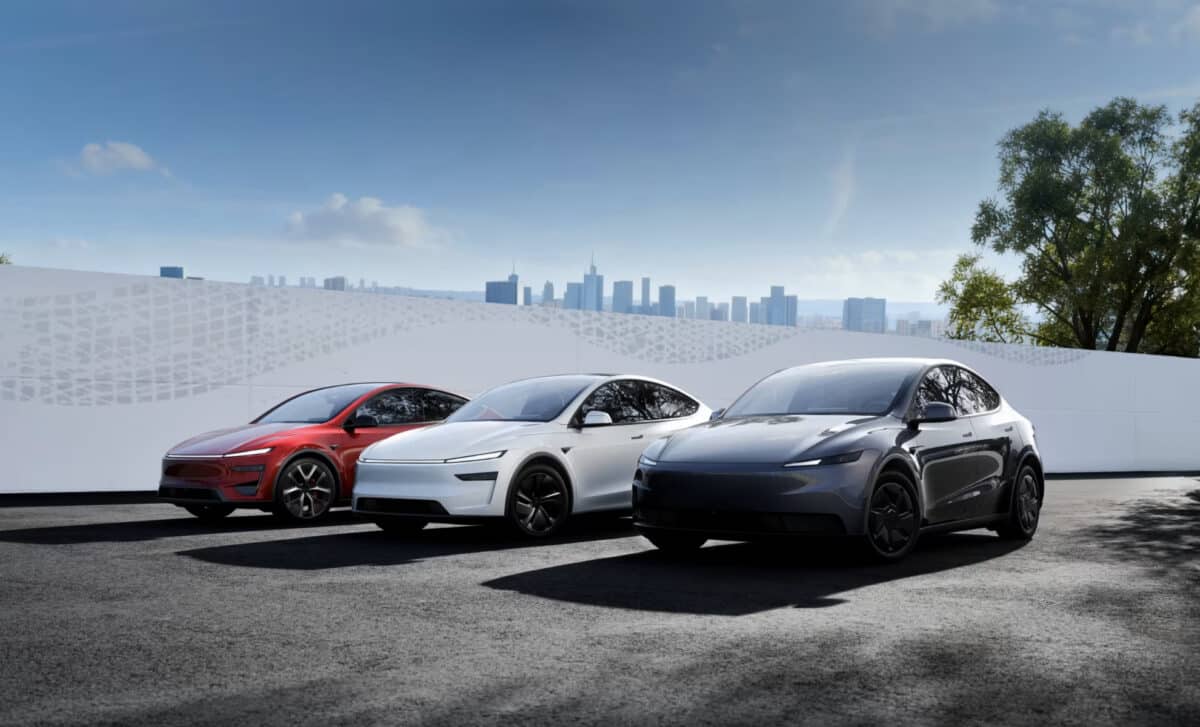
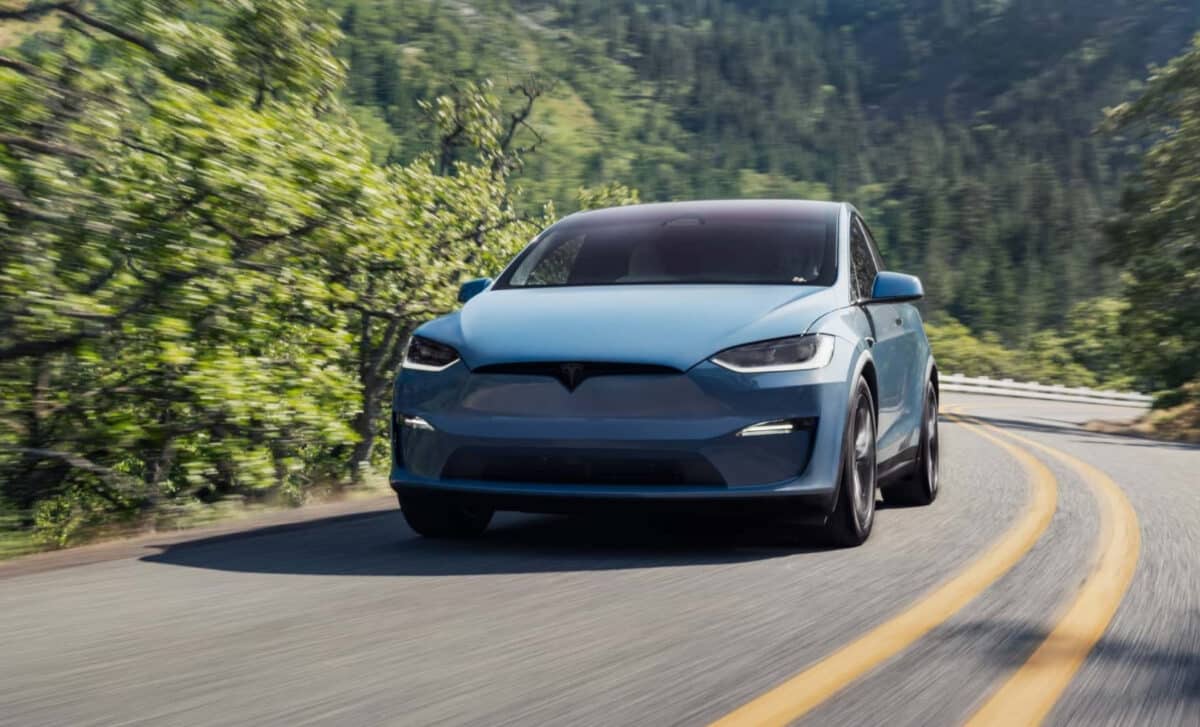
Tesla is restructuring its portfolio at the same time it is dealing with excess inventory. The Model S and Model X were discontinued on April 1, after more than a decade in production, leaving the Model 3 and Model Y as the company’s two remaining core models. The Cybertruck is still on the market, but its numbers remain limited, fewer than 16,000 units were delivered to customers from January through March.
The wider American EV market is in retreat. According to Cox Automotive estimates, 28% fewer electric vehicles were sold in the United States during the first three months of 2026. The rollback of the $7,500 federal tax credit for new EVs by the Trump administration has prompted several manufacturers to scale back or abandon their electrification plans entirely. Ford discontinued the F-150 Lightning pickup. Honda canceled three upcoming electric models. Stellantis scrapped all of its U.S.-bound plug-in hybrid models.
Some Brands Are Pressing Forward Despite the Downturn
Not every automaker is retreating. According to InsideEVs, Rivian is preparing to launch the R2, BMW is bringing the new iX3 and i3 to market, and Volvo remains on track to begin deliveries of the new EX60 later in 2026. These companies are continuing to push forward with their electric lineups even as broader market conditions remain difficult.
The contrast is striking. On one side, established players are cutting models and reassessing timelines. On the other, a handful of manufacturers are treating the current period as an opening rather than a reason to pull back, a divergence that will likely define the next chapter of the American EV market.