
Nearly 43,000 secondhand electric cars were sold in March alone, setting a new monthly record. This spike comes at a moment when the new EV market is slowing, creating an unexpected shift in consumer behavior.
The growing appeal of used EVs is tied to multiple factors, from rising fuel costs to an influx of newer off-lease models. At the center of buyer hesitation, though, remains a familiar question: how well do EV batteries really hold up?
A Booming Used EV Market Despite Uncertainty
Used electric vehicles are gaining traction at a surprising pace. Scott Case, cofounder and CEO of Recurrent, admitted the trend defied expectations, noting that many anticipated a downturn after incentives expired. Instead, demand has accelerated.
According to InsideEVs, high gas prices are pushing more buyers toward used EVs rather than new ones. Case also pointed out that many consumers realize they can often get a more modern vehicle by choosing an electric model over a similarly priced combustion car.
At the same time, uncertainty around battery lifespan continues to influence pricing. Concerns about range loss are helping depress resale values, which in turn creates opportunities for buyers willing to take the risk.
Battery Degradation Proves Far Less Severe Than Expected
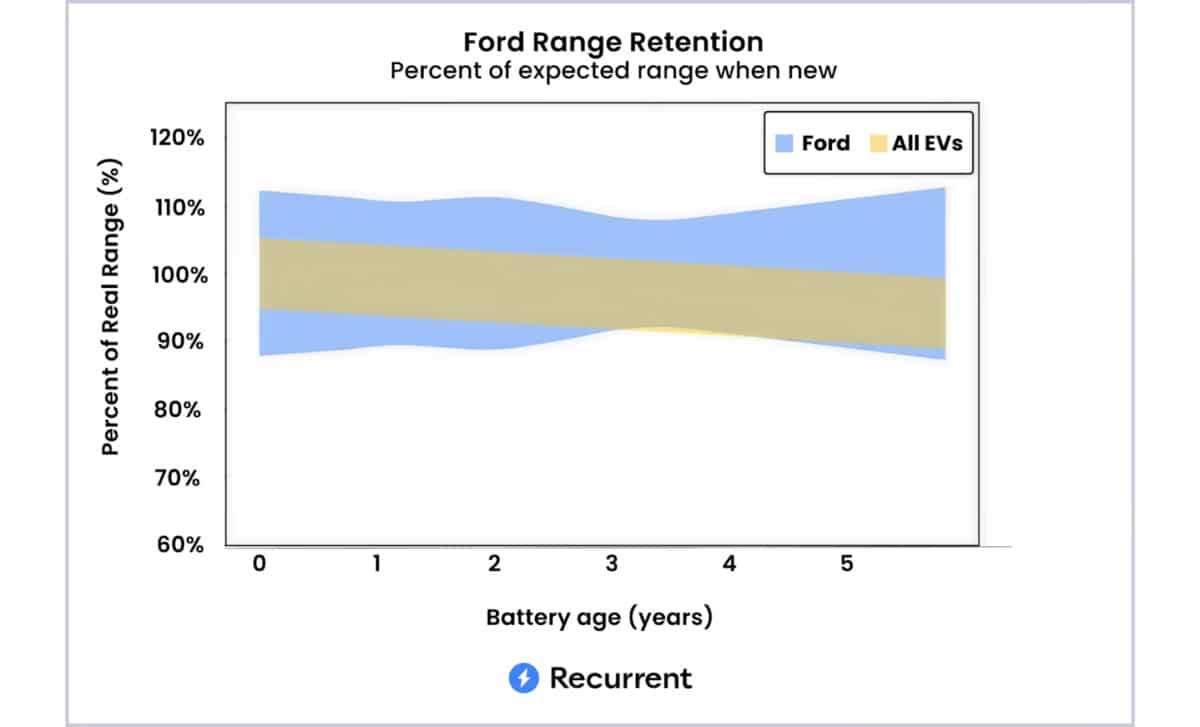
Data collected over six years across more than 1 billion miles of driving offers a clearer picture of EV battery performance. According to Recurrent, the average electric vehicle retains 97% of its original range after three years and 95% after five years.
Case said the durability of these batteries exceeded his initial expectations. While factors like extreme heat or frequent fast charging can affect performance, the variation among vehicles of similar age remains relatively small.
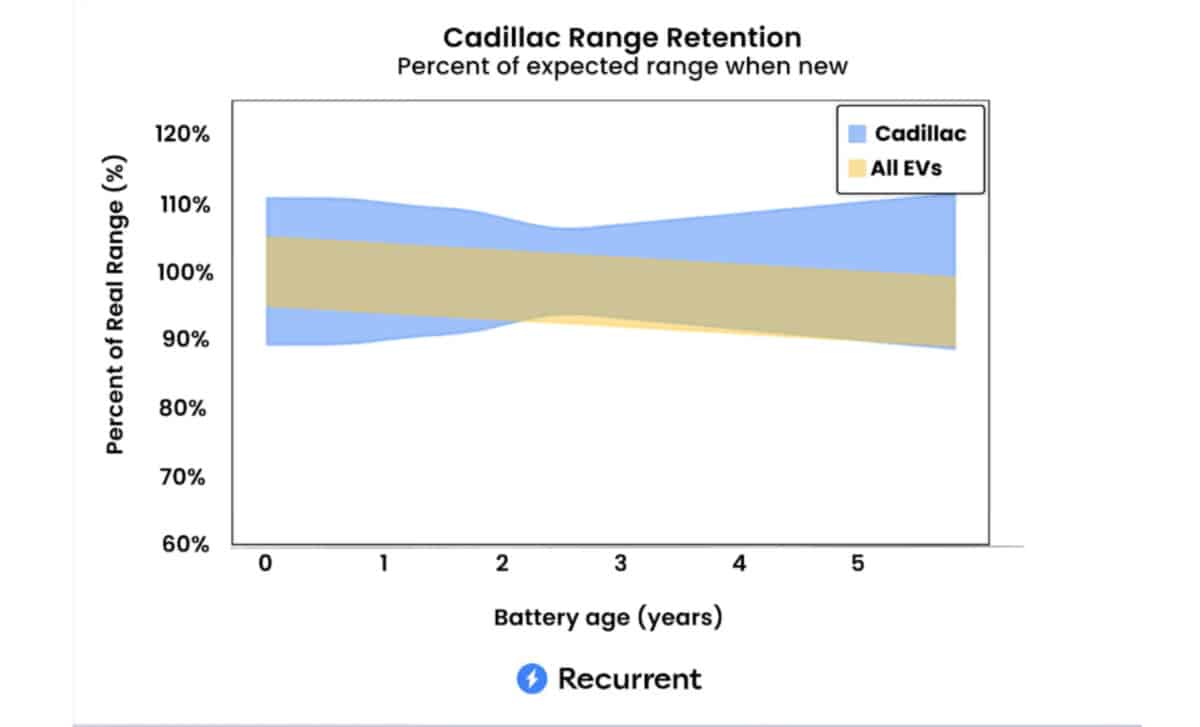
Some automakers, including Cadillac, Ford, Hyundai, Mercedes-Benz, and Rivian, show no observable range loss after three years. This does not mean batteries are not degrading, but rather that built-in buffers help maintain a consistent user experience over time.
Rare Failures and Unexpected Buying Opportunities
Full battery failures remain uncommon. Recurrent reports a replacement rate of just 0.3% among modern EVs, a figure that challenges widespread concerns about reliability.
This rarity creates an unusual niche in the used market. Case noted that vehicles with recently replaced batteries, especially under warranty, can offer exceptional value. A five- to seven-year-old EV with a new battery may effectively deliver the lifespan of a much newer car.
These cases are uncommon but represent a significant opportunity for informed buyers. In a market shaped by perception as much as data, the gap between fear and reality continues to define the used EV landscape.