
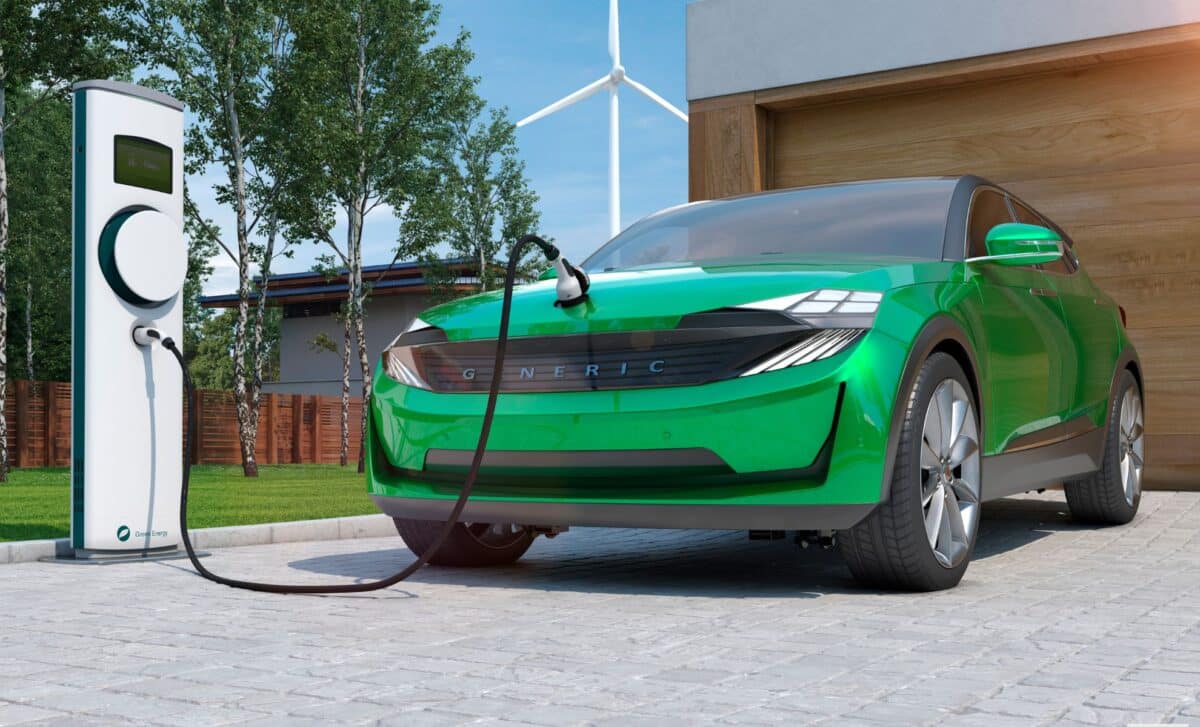
Many drivers know the price of a gallon of fuel but not the cost of a kilowatt-hour of electricity, even though that figure largely determines the economics of EV ownership. Residential electricity prices differ widely across the United States, and charging losses also affect total costs.
Road-trip charging adds another layer of complexity. Rates vary by charging network, time of day, membership plans, and connection fees. For drivers who rely mostly on home or workplace charging, the average cost picture looks very different from those who depend on public infrastructure.
Home Charging Remains The Lowest-cost Scenario For Most Ev Drivers
According to Car and Driver, the average residential electricity rate in the United States is about $0.175 per kWh, though prices can differ by a factor of ten depending on location. Utilities may also offer specific EV or time-of-use plans that lower overnight charging costs, typically during lower-demand periods between around 11:00 p.m. and 6:00 a.m.
To illustrate the range of outcomes, three electric vehicles were compared across different charging situations. The most favorable case used the 2025 Tesla Model 3 Long Range rear-wheel drive in Oklahoma, where electricity costs $0.113 per kWh. Driving 100 miles represents 27.5% of its EPA-rated 363-mile range and requires 22.0 kWh from its 79.7-kWh battery pack. That translates to $2.73 in electricity for home charging.
For comparison, a BMW 330i with an EPA combined rating of 31 mpg would consume about 3.2 gallons over the same distance. At Oklahoma’s premium gasoline price of $3.46 per gallon, the cost reaches roughly $11. Using regular fuel at $2.76 per gallon lowers that figure to about $8.90.
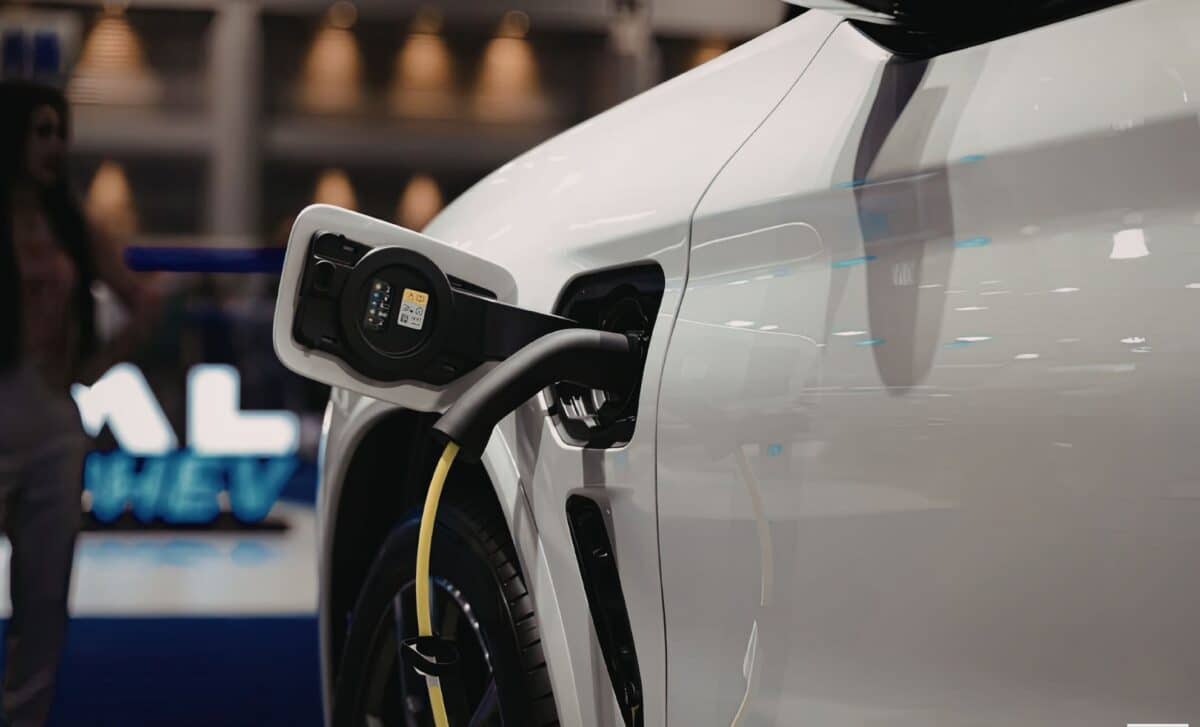
The mid-range example was the 2025 Chevrolet Equinox EV using the national average electricity price. With an EPA-estimated range of 319 miles and an 85-kWh usable battery, covering 100 miles requires 26.6 kWh, resulting in a charging cost of $5.13 at home.
The gasoline-powered front-wheel-drive Chevrolet Equinox, rated at 27 mpg combined, would need 3.6 gallons of fuel to travel 100 miles, amounting to $11.63 at the national average gasoline price of $3.14 per gallon.
At the opposite end, the 2025 GMC Hummer EV Pickup represented the highest-cost scenario in Hawaii, where electricity averages $0.42 per kWh. Its 205-kWh usable battery and EPA range of 312 miles mean 100 miles consumes 65.7 kWh, costing $30.36 when charged at home.
Against that, a Ford F-150 Raptor R rated at 12 mpg combined would require approximately $40.92 worth of premium fuel at Hawaii’s average price of $4.91 per gallon.
Fast Charging On The Road Can Significantly Change The Economics
Public DC fast charging is designed for longer-distance travel but introduces variable pricing that can reduce the cost advantage often associated with electric vehicles.
During highway testing at 75 mph, the Tesla Model 3 Long Range achieved 310 miles of range. Covering 100 miles required 25.7 kWh. Using Tesla Supercharger off-peak pricing of $0.25 per kWh resulted in a cost of $6.75 per 100 miles, although that amount could double depending on charging time.
The BMW 330i comparison vehicle, rated at 35 mpg on the highway, would need $9.89 in premium gasoline to travel 100 miles. Choosing regular fuel reduces that cost to $7.89.
The Chevrolet Equinox EV returned 260 miles in real-world highway testing. At that efficiency level, 100 miles required 32.7 kWh.
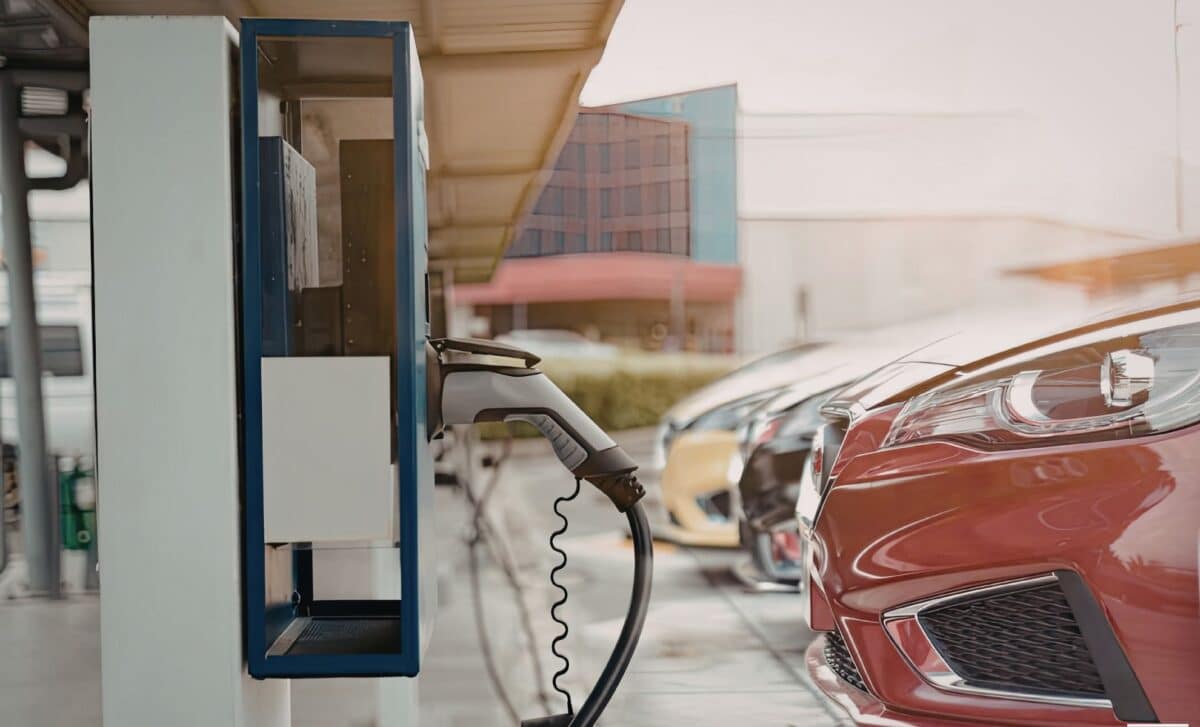
Pricing on the EVgo network used in the example ranged from $0.23 to $0.69 per kWh depending on conditions. At the low end, driving 100 miles cost $7.90. At the high end, the total rose to $23.69. By comparison, the gasoline Equinox, rated at 28 mpg highway, required $11.21 in fuel over the same distance.
For the GMC Hummer EV Edition 1, highway testing produced 290 miles of range. Driving 100 highway miles consumed 70.7 kWh.
Fast-charging rates in Hawaii ranged from $0.49 to $0.66 per kWh, producing costs between $36.37 and $48.99 for 100 miles. The Ford F-150 Raptor R, rated at 15 mpg highway, required $32.73 in premium fuel for the same distance.
Charging Strategy Has A Direct Effect On Total Ownership Costs
Several charging habits and available options can influence how much EV drivers ultimately spend over time. The first is prioritizing home charging and checking whether local utilities offer EV-specific or time-of-use electricity plans that reduce overnight rates.
The second is identifying chargers located in shopping centers, downtown parking facilities, large retail locations, and similar destinations. Some provide charging at no cost or for limited periods as a customer incentive. Full recharges may not be possible in these cases, but partial charging sessions can still reduce overall expenses.
A third option is workplace charging. Drivers who commute daily may already have access to charging stations at their place of work without actively using them. The calculations presented included charging losses: an additional 10% energy for home charging and 5% for fast charging to reflect real-world charging inefficiencies.