
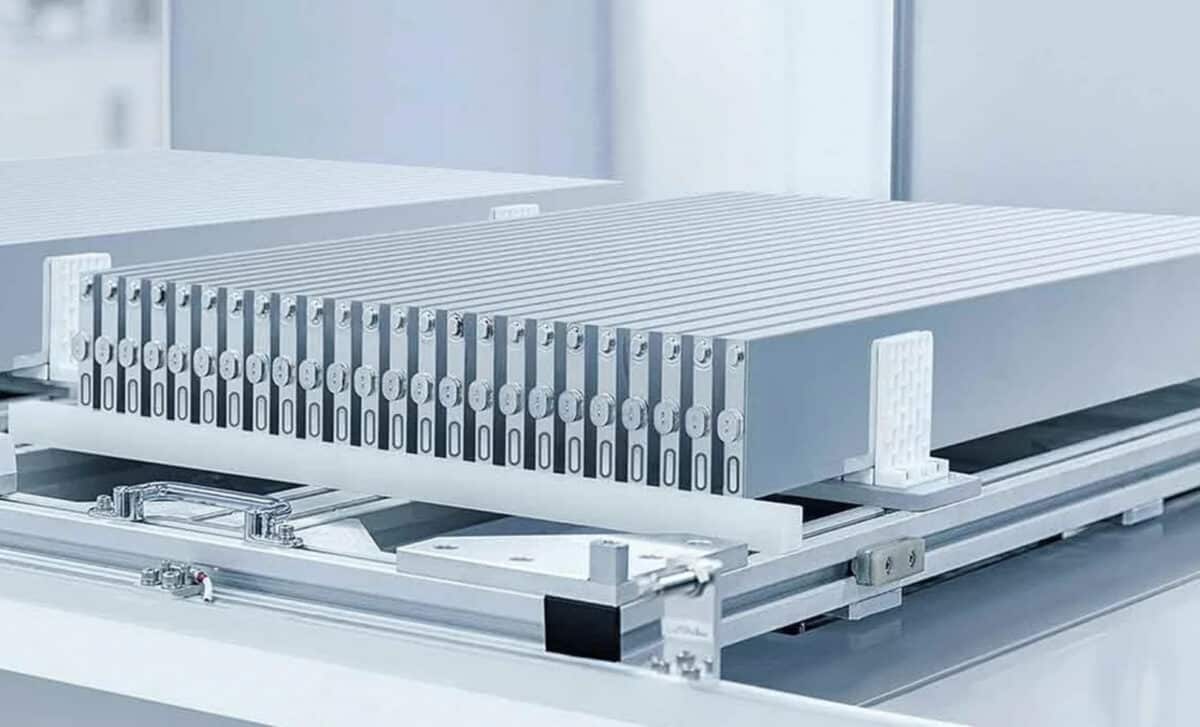
Solid-state battery technology has made significant strides in recent months, with reports of breakthroughs and milestones emerging consistently. Unlike traditional lithium-ion batteries, these batteries replace liquid electrolytes with solid materials, which can enhance stability, reduce risks of combustion, and potentially allow faster charging. Analysts see the shift as a step forward for electric mobility, though commercialization challenges remain.
All-solid-state batteries are expected to complement existing battery types rather than replace them entirely. Companies continue to invest in liquid lithium-ion and sodium-ion options as part of a broader strategy to support the growth of electric vehicles worldwide.
SAIC Motor and the Emergence of Mass-Produced Solid-State Batteries
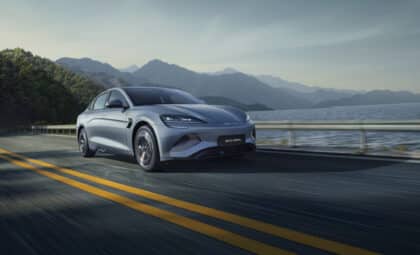
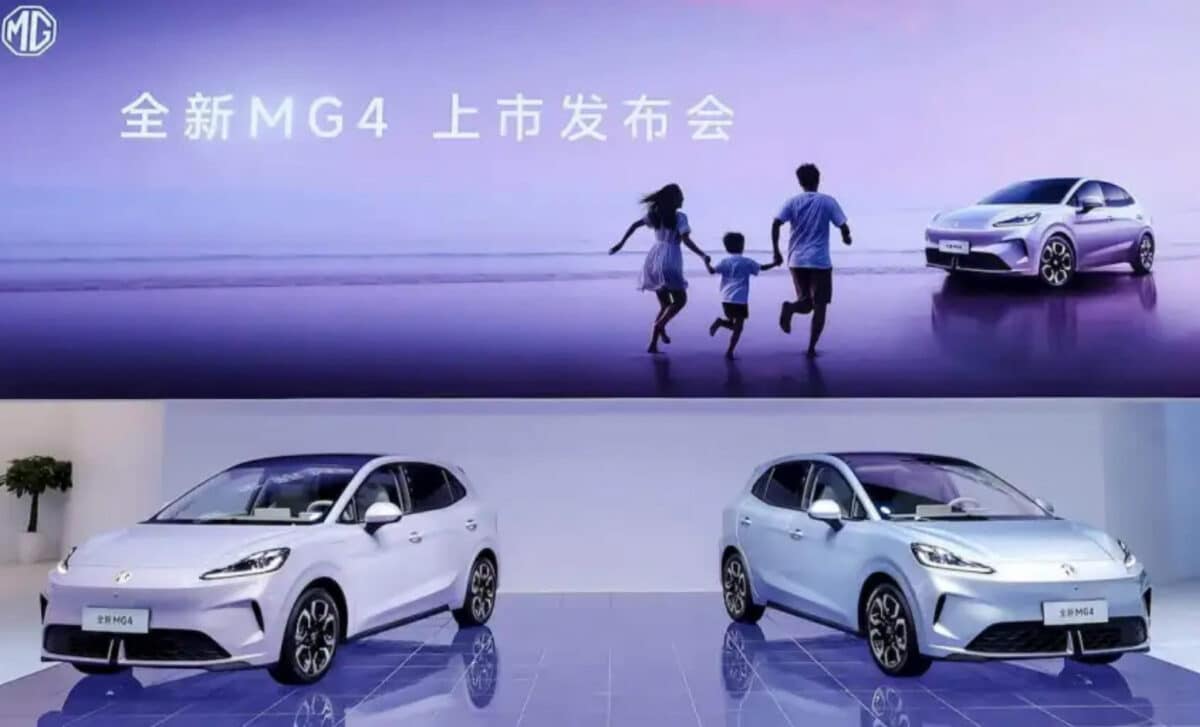
China’s SAIC Motor has been testing semi-solid-state technology for some time and introduced the MG4 as the first mass-produced semi-solid-state EV last year. According to the company, it plans to launch all-solid-state batteries in 2027, building on prototypes developed with its partner Qingtao Energy, branded as “Guangqi.”
These batteries reportedly offer energy densities above 400 Wh/kg, enabling driving ranges exceeding 1,000 kilometers, or 621 miles. SAIC emphasized that reducing the liquid electrolyte content to just 5 percent in its semi-solid-state batteries lowers combustion risks and improves cycle life, while fully solid-state designs eliminate liquid electrolytes entirely.
BYD’s Path to Commercial All-Solid-State Batteries
BYD, already known for its Blade Battery 2.0, which provides over 1,000 kilometers of CLTC range, is targeting limited production of sulfide-based all-solid-state batteries in 2027. According to Lian Yubo, BYD Group’s chief scientist, the technology has reached a critical stage but faces hurdles before full-scale commercialization.
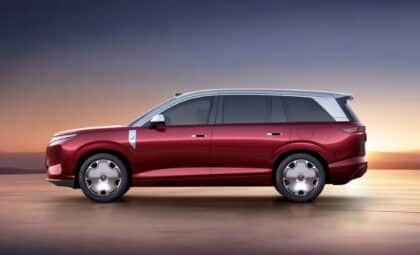
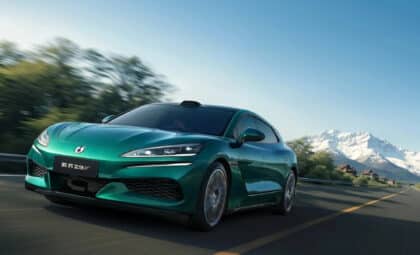
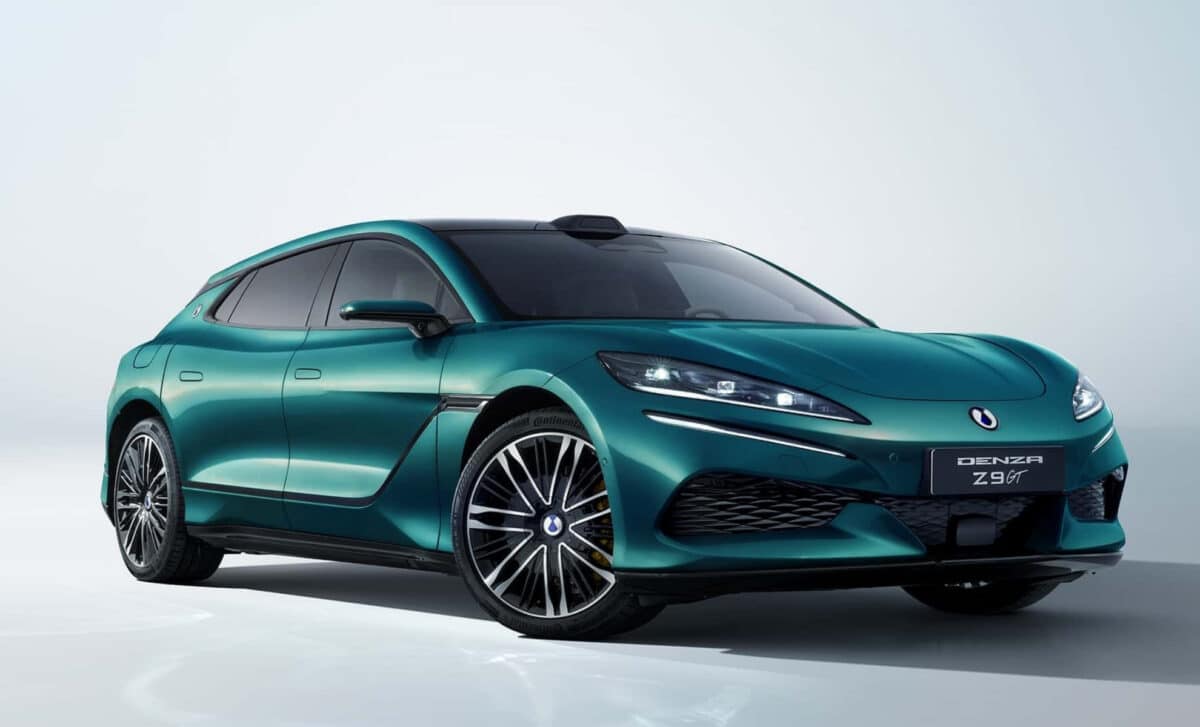
Sun Huajun, CTO of BYD’s battery business, highlighted that sulfide electrolytes offer greater stability than traditional lithium-ion designs, allowing safer operation, faster charging, and extended driving range. Initial models using the new battery are expected to come from high-end BYD sub-brands, including Denza, Yangwang, and Feng Chang Bao, before broader adoption in mass-market vehicles.
Other Chinese Automakers Join the Solid-State Race
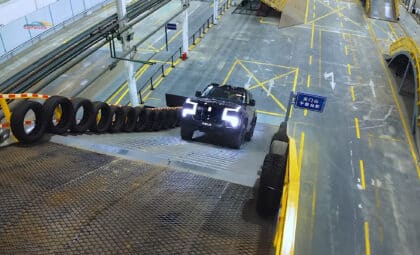
Several other Chinese manufacturers are racing toward all-solid-state battery deployment. Changan Automobile plans to integrate its Golden Bell solid-state battery in vehicle prototypes by the end of 2026, scaling to mass production in 2027, with claimed energy density of 400 Wh/kg and driving ranges exceeding 1,500 kilometers (932 miles).
According to Changan, AI-powered diagnostics have improved safety by 70 percent. Chery revealed its all-solid-state battery shortly after, also promising over 1,500 kilometers of range at 400 Wh/kg. Dongfeng Motors is testing prototypes with a 350 Wh/kg solid-state battery, capable of driving more than 1,000 kilometers on a single charge.
As reported by Electrek, Chinese brands see solid-state technology as key to maintaining global EV leadership, while companies elsewhere, including Mercedes using Factorial Energy cells, are advancing similar developments outside China.
.