
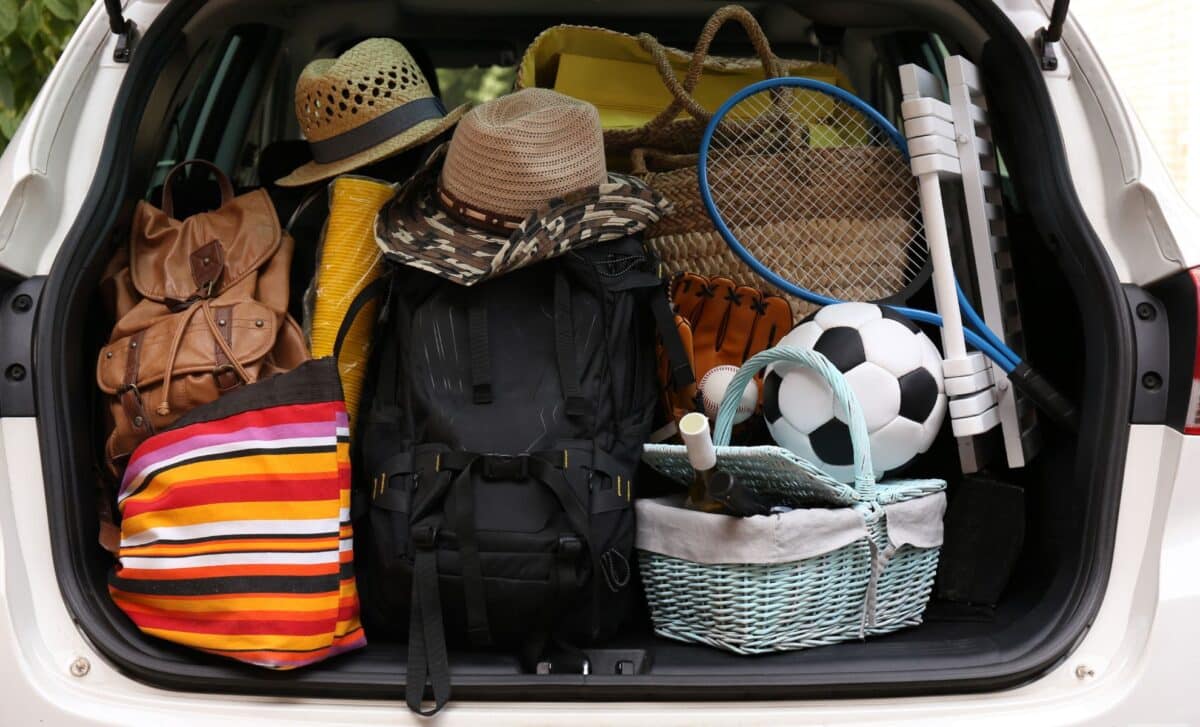
The risk is not limited to obvious perishable food. Heat can weaken medicine, raise pressure inside sealed containers, reduce battery performance, and make devices shut down or malfunction at the moment they are needed.
That makes one last check before leaving a vehicle more than a summer habit. During the hottest days of the year, carrying fewer heat-sensitive items and removing them from the car can prevent damage, waste, and avoidable danger. Pets should not be left in hot cars either, including dogs.
Aerosol Cans Can Explode Under Heat And Pressure
Aerosol cans are among the clearest hazards in a hot vehicle. A gym duffel or overnight bag may contain spray deodorant or hairspray, and those products can become dangerous when left inside a sun-heated car.
The reason is tied to the Ideal Gas Law: as temperature rises, gas pressure rises at the same proportion. In practical terms, a can of spray deodorant, hairspray, or spray paint left in a hot cabin faces rising internal pressure as the vehicle heats up.
According to Jalopnik, a woman in Washington State left a can of hairspray on her dashboard during a hot day in 2017, and it exploded with enough force to go through the windshield; no one was inside the car at the time. The same report cited a case in the UK where a spray paint can exploded as a man picked it up from a van seat, causing serious injuries that required surgery, including a skin graft.
Many aerosol cans carry warnings not to store them above 120 degrees Fahrenheit. The problem is that hot car interiors can rise past 130 degrees, which puts those products beyond the limit printed on their labels. The safest storage place for aerosol cans is cool, dark, and away from a vehicle baking in the sun.
Heat Can Weaken Medications, Electronics, And Batteries
Medication is another category that should not be left in a hot car. Heat can make drugs less effective, and in some cases can make them unsafe. Aspirin can break down under extreme conditions, hormone-based drugs can be weakened, liquid medications can dry out, and gel capsules may melt and become sticky.
Some medications carry higher stakes. Tetracycline antibiotics can change chemically and cause kidney damage. Nitroglycerin can become inactive. Insulin is sensitive to temperature changes in both directions, which means heat and cold can affect it.
A general rule is not to store medications where temperatures may rise above 86 degrees. Car trunks are a poor place for them, and glove compartments may be worse. A study by the Medical University of Lodz in Poland, published in The Journal of Allergy and Clinical Immunology: In Practice, tested 12 EpiPens. Three were kept in a dark, air-conditioned room, while the rest were placed in a trunk, glovebox, and cabin. After only half a day, epinephrine had degraded by 3.3% in the trunk, 13.3% in the cabin, and 14.3% in the glovebox.
Electronics face a different but related problem. Phones, tablets, laptops, smartwatches, and earbuds can be stolen if left visible, but heat can also make them malfunction. Apple says iPhones and iPads are meant to be used between 32 and 95 degrees Fahrenheit and stored between -4 and 113 degrees. When overheated, an iPhone or iPad may disable features, stop working for a time, slow or stop charging, dim the screen, weaken the cell signal, or slow apps. Apple recommends turning off an overheated device and placing it somewhere cooler.
Samsung gives the same operating range of 32 to 95 degrees for its devices and advises against leaving them in a car on a hot day. That warning applies not only to phones and tablets, but also to Galaxy devices such as smartwatches and earbuds. Overheating can trigger warning messages and cause some functions to freeze.
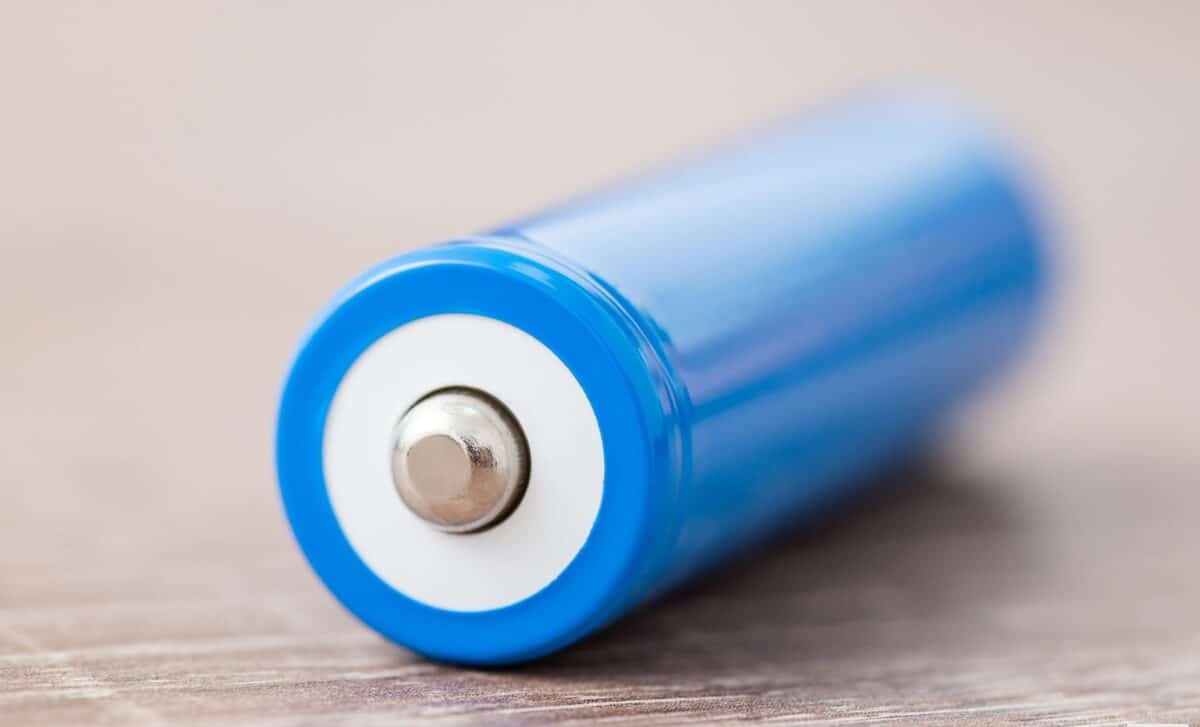
Batteries add another layer of risk. Even standard flashlight batteries can lose capacity, leak, or rupture in high heat. Energizer advises air travelers to carry batteries in the cabin because flight crews have better access to fire extinguishers there, and the company warns against storing batteries in hot places such as cars during summer.
Panasonic says its batteries should be operated between 41 and 113 degrees. Extreme heat may reduce performance and shorten battery life. Hot weather can even shorten the lifespan of a car battery, which gives a useful reminder of what heat can do to smaller batteries.
Lithium batteries, found in smartphones, laptops, and power banks, can also become serious safety hazards when overheated. They can smoke, burn, or catch fire. Flight crews are specifically trained to identify and respond to lithium battery fires, which shows why leaving lithium batteries or devices containing them in a hot car is a bad idea. Vapes and e-cigarettes carry a double risk because they contain lithium batteries and flammable liquids.
Food, Alcohol Products, And Plastic Bottles Bring Separate Risks
Perishable food is the most familiar hot-car concern, but the timeline is shorter than many people think. Bacteria such as Staphylococcus and Salmonella can double in number in as little as 20 minutes.
The USDA says food should not be left out of refrigeration for more than two hours. When the temperature rises above 90 degrees, food should not be left out for more than one hour. The agency defines the food “danger zone” as 40 to 140 degrees: refrigerated foods should stay colder than that, while cooked foods should be kept hotter than that until they are refrigerated.
The CDC gives the same recommendations and lists foods most likely to contain bacteria. Those include raw or uncooked meats, sprouts, unwashed fruits and vegetables, cut melon, unpasteurized dairy products and juices, raw dough, and butter. For grocery trips, that means chilled items are best picked up last rather than sitting in a cart or a vehicle while other errands drag on.
Alcohol products are also affected by heat and sunlight. Beer can become “skunked,” or lightstruck, when bottled beer is exposed to bright sunlight. UV rays interact with compounds in the beer and can produce a sulfur smell. Green and clear bottles are especially vulnerable because they provide less protection from UV rays. Some brands have adjusted their formulas to reduce this effect, but beer still should not sit in a sunlit car for long.
Wine can also be ruined by heat. In one UK case reported by The Drinks Business, a bottle of Prosecco exploded in a car and caused more than $3,000 in damage. Fragments damaged the roof lining, and the wine soaked the interior. Even without an explosion, heat can “cook” wine and ruin its flavor.
Alcohol-based products such as hand sanitizer and cleaners bring a fire risk. They contain flammable liquids that can ignite under the right conditions, including exposure to a spark or static.
Plastic water bottles are less simple than they seem. Keeping emergency water in a car is common advice, but bottles made from polyethylene terephthalate, or PET, can contain antimony, which has been found to leach into water from some bottles. A study in China published in Environmental Pollution found increased levels of antimony in water stored at 158 degrees and concluded that bottled water should not be kept at high temperatures.
That does not mean a single sip from a warm bottle is automatically dangerous. Health concerns depend on the amount consumed over time. Still, repeatedly storing bottled water in a hot car is worth reconsidering.
A plastic water bottle can also act like a magnifying glass. Under the right conditions, it can focus sunlight onto flammable materials inside a car and start a fire. During the hottest days, the simplest habit may be the safest one: take heat-sensitive items with you, and leave the car as empty as possible.