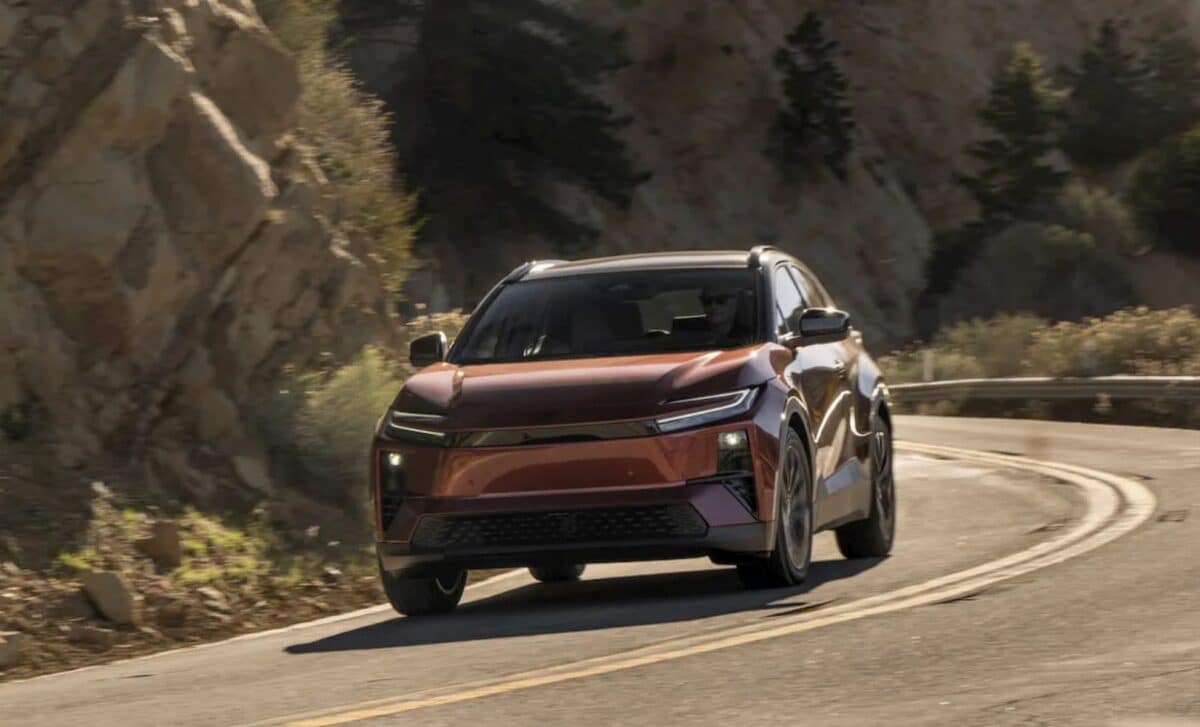
The original gas-powered C-HR, discontinued in 2022, had been one of Toyota’s most accessible SUVs, with a starting price under $25,000. Its comeback marks a clear shift in strategy: instead of focusing on entry-level affordability, Toyota has prioritized performance and standard all-wheel drive capability.
After first unveiling the electric version last year, Toyota had signaled that the 2026 C-HR EV would serve as a smaller and more affordable alternative to the bZ SUV. The production model instead arrives with more power and a higher base price than the 2026 bZ XLE, altering its position in the brand’s growing EV lineup.
Pricing Places the C-Hr Above Toyota’s Entry-Level EV
The 2026 Toyota C-HR SE starts at $37,000, while the higher XSE trim begins at $39,000. That pricing makes it slightly more expensive than the 2026 bZ XLE, which starts at $34,900.
According to Electrek, the difference can largely be explained by drivetrain configuration. The base bZ XLE comes with front-wheel drive, while the new C-HR EV is equipped exclusively with a dual-motor all-wheel-drive system. Adding AWD to the bZ costs an additional $5,000, pushing its price beyond that of the C-HR.
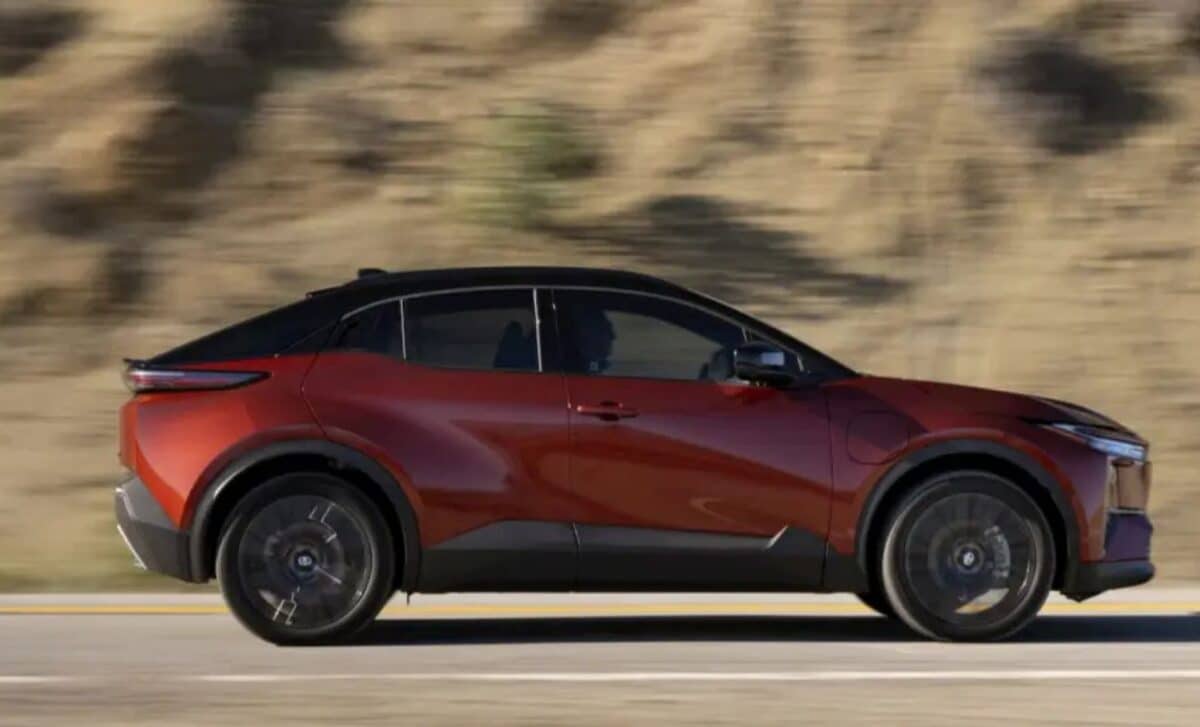
Dimensionally, the two models share the same platform, though the C-HR is 6.7 inches shorter overall and has a wheelbase that is 3.9 inches shorter. With an overall length of 177.9 inches, width of 72.6 inches, and height of 63.8 inches, it sits in the same size category as the Kia Niro EV and Volvo EX30.
Dual-Motor Powertrain Delivers 338 Horsepower
Unlike its discontinued gasoline predecessor, the new C-HR EV emphasizes performance. Its dual-motor AWD system produces a combined 338 horsepower, enabling a 0 to 60 mph time of 4.9 seconds.
Power comes from a 74.7 kWh battery pack. The SE trim, equipped with 18-inch wheels, delivers an EPA-estimated range of up to 287 miles. The XSE, fitted with 20-inch wheels, has an estimated range of 273 miles.
Charging capability aligns with Toyota’s broader EV strategy. As reported by Electrek, the 2026 C-HR includes a built-in NACS port, allowing access to Tesla’s Supercharger network across the United States. Using DC fast charging, the battery can replenish from 10% to 80% in about 30 minutes.
Updated Design and Technology Inside and Out
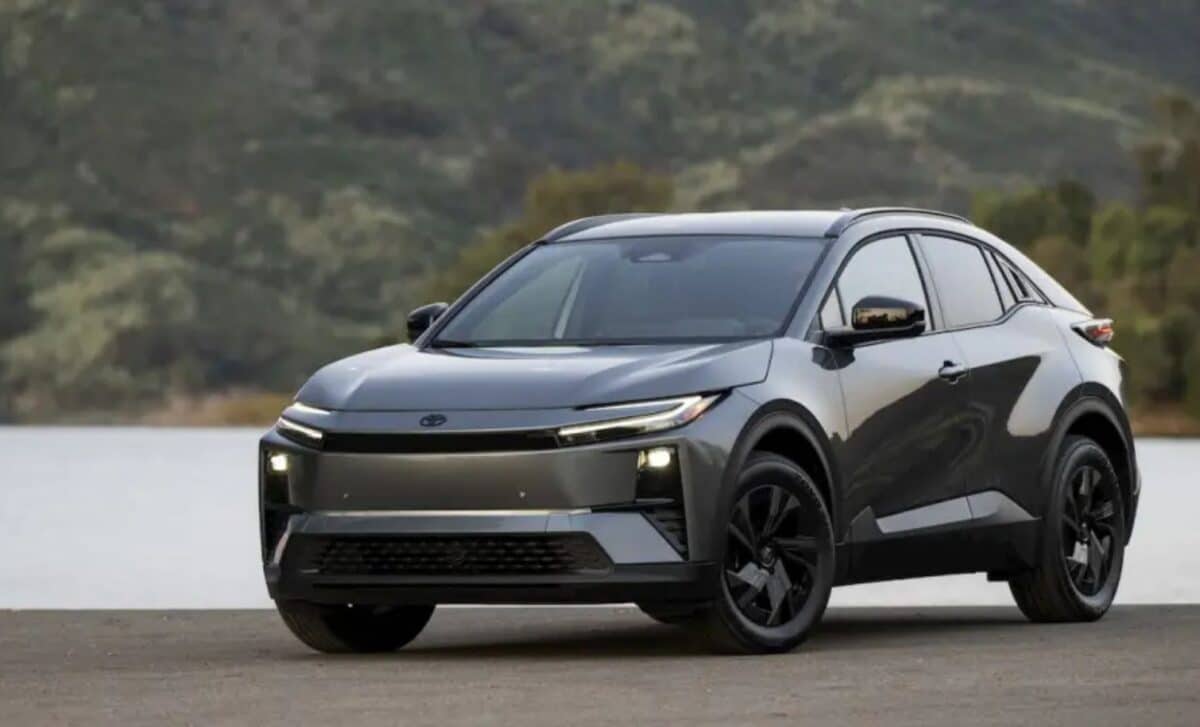
The exterior adopts Toyota’s “hammerhead” front-end design, shared with the 2026 bZ and bZ Woodland models. Slim LED lighting and a more athletic stance distinguish the electric version from the earlier gasoline model.
Inside, the SUV features Toyota’s latest Audio Multimedia system with a 14-inch central touchscreen. Wireless Apple CarPlay and Android Auto are standard. The coupe-like roofline contributes to interior space that expands to 59.5 cubic feet with the rear seats folded.
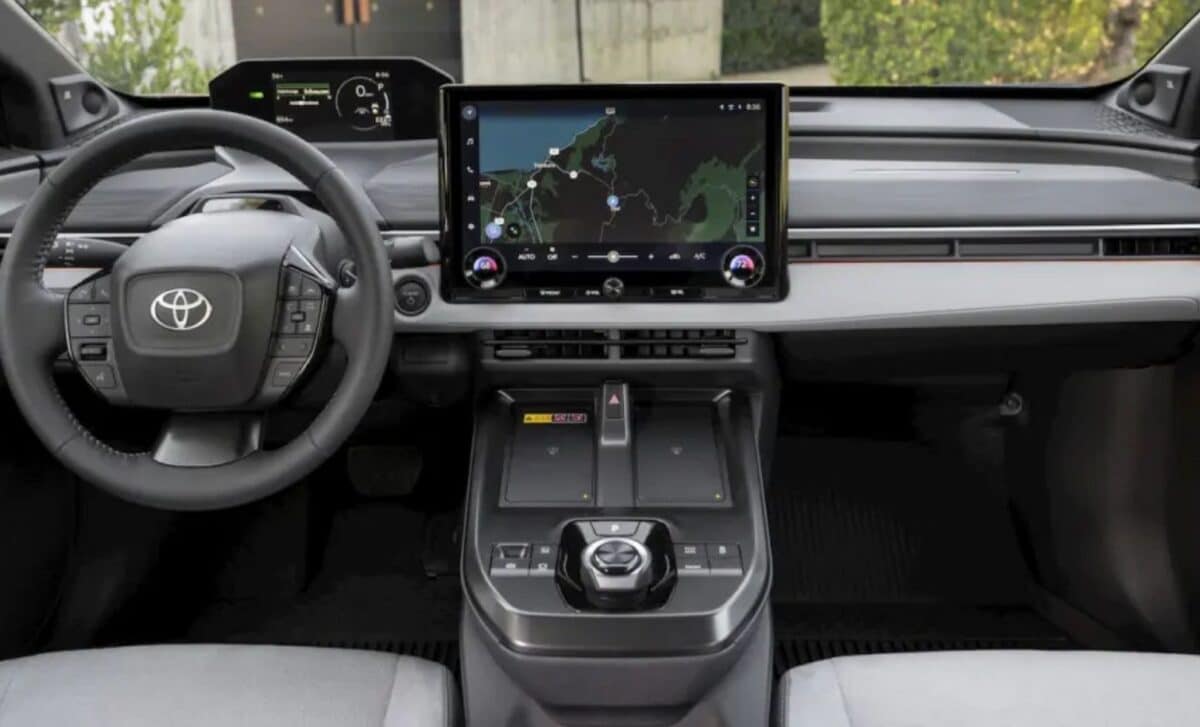
All trims include a six-speaker audio system, Toyota Safety Sense 3.0, low-profile roof rails, and two wireless phone chargers. Upgrading to the XSE adds 20-inch gunmetal-finished wheels, SofTex and synthetic suede-trimmed seats, a Digital Rearview Mirror, and a Panoramic View Monitor.
Toyota expects the 2026 C-HR models to begin arriving at U.S. dealerships in March, with inventory anticipated to appear in the coming weeks.