
Once considered under threat, the V8 seems to be staging an unlikely comeback in the land where it was never truly forgotten. As automakers shift toward cleaner technologies, one segment of the market holds firm: drivers who crave the power, sound, and feel of a traditional eight-cylinder block. This enduring preference is reshaping production plans and, potentially, geopolitical perceptions around manufacturing.
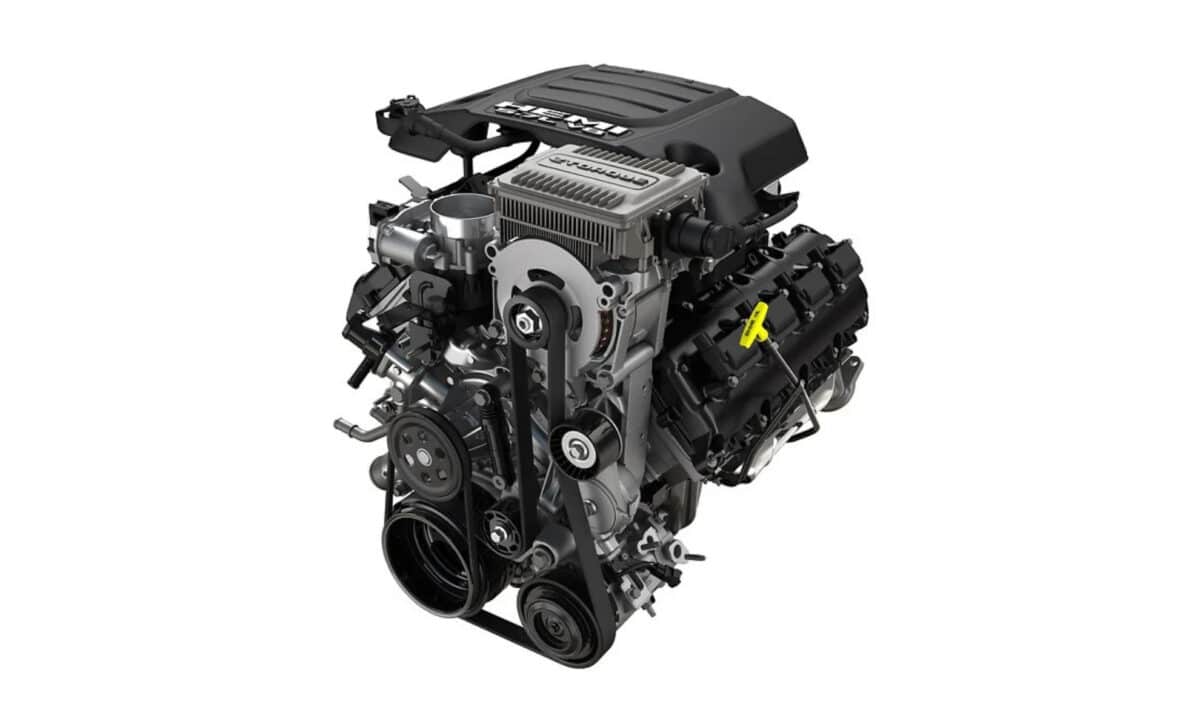
In a surprising move, Stellantis plans to produce over 100,000 Hemi V8s in 2026, more than triple its current annual output. This pivot reflects a market reality that goes against the grain of global trends and has implications reaching far beyond engine bays and assembly lines.
Stellantis Boosts Hemi V8 Production to Meet Demand
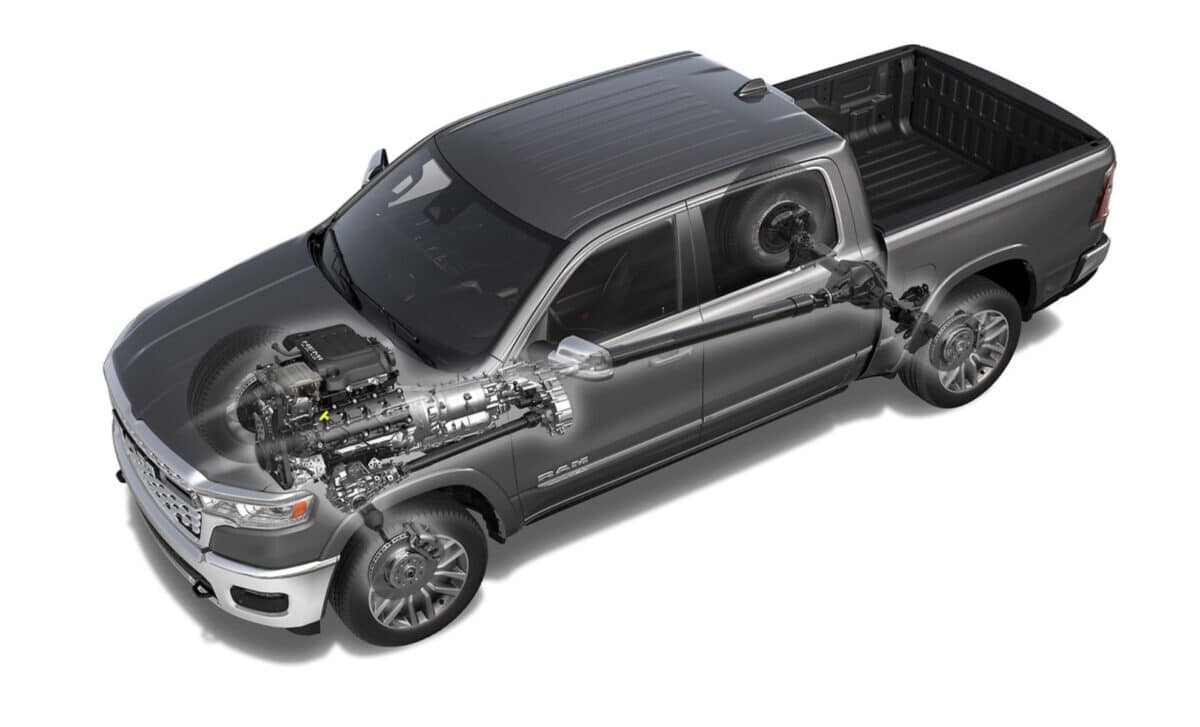
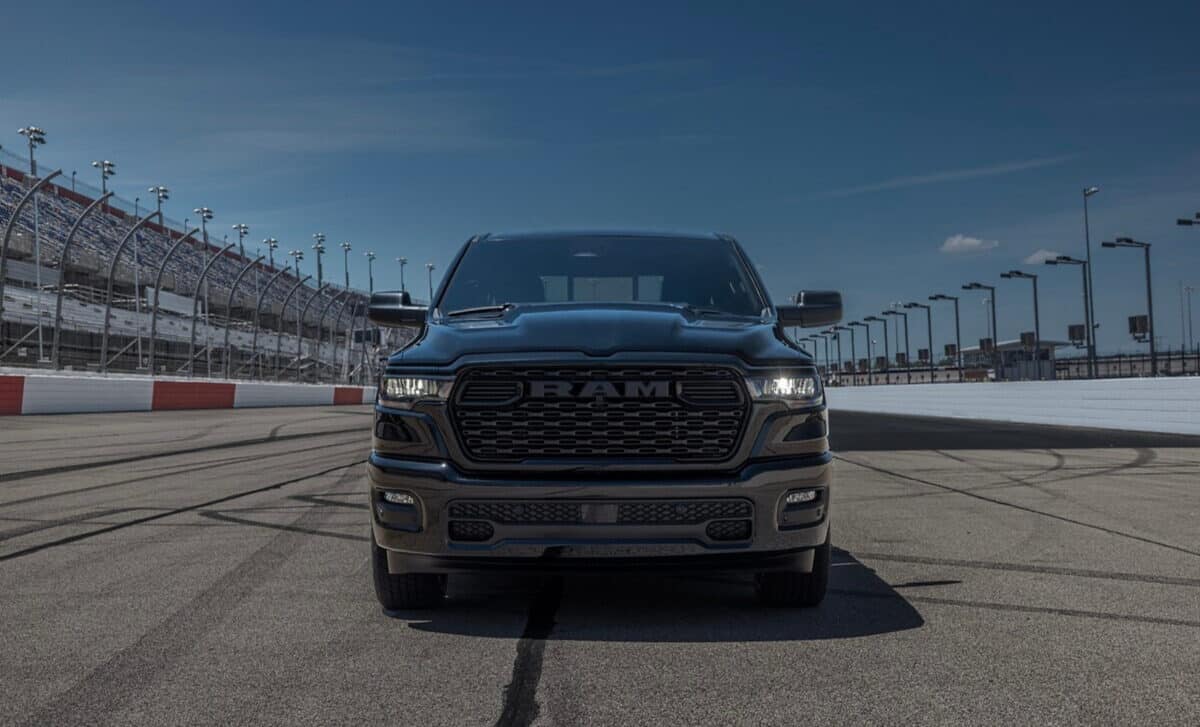
The decision by Stellantis to ramp up its Hemi V8 production stems from an unexpectedly strong market appetite. More than 50,000 requests have already been recorded following the reintroduction of the V8 engine in the RAM 1500 pickup. This spike in interest has forced the manufacturer to rethink its capacity, previously capped at just 30,000 units per year.
To hit the 100,000-unit goal, Stellantis is looking beyond its current facility in Mexico. The Dundee plant in Michigan could be tapped to support the surge, a move likely to resonate with certain political figures. Donald Trump has openly criticized offshore manufacturing, particularly for American-designed engines like the Hemi. Bringing production closer to home could help Stellantis regain favor with nationalist voices ahead of a tense political season.
Popular Models Still Powered by the V8 Hemi
The RAM 1500 stands as the main vehicle powered by the Hemi V8, and its success is hard to ignore. With 370,059 units sold in the United States last year, it remains one of the country’s best-selling trucks. The eight-cylinder engine continues to be a strong selling point in this segment, and Stellantis appears fully aware of the leverage it provides.
Other vehicles also feature the Hemi, such as the Jeep Wrangler in its Moab 392 version, which sports a 6.4-liter V8 delivering 470 horsepower. The Dodge Durango SUV, a derivative of the Grand Cherokee, also includes this engine, offering another outlet for Stellantis to justify the scale-up in production.
Interestingly, the newly launched Dodge Charger, despite its name and heritage, does not currently offer a V8 option. The model is only available with inline six-cylinder and electric powertrains. Yet, rumors are circulating that the V8 could return to this lineup as well, though it may not be the Hemi version.
BMW Signals Continued Support for High-Performance V8s
It’s not just American brands holding onto the V8 formula. BMW recently confirmed a “higher-than-average demand” for its eight-cylinder engines in the United States. Although the German automaker stopped producing these engines in Austria at the end of 2025, it has shifted production to the United Kingdom to ensure continuity.
BMW appears committed to maintaining this type of engine as a core part of its strategy. A spokesperson told Automotive News Europe, “High-performance engines remain a central part of our strategy.” Despite the company’s broader push toward electrification, the V8 remains part of its DNA, at least for the time being.
This demand reflects a larger trend: performance engines still carry strong emotional appeal, particularly in the U.S. market. While V6 and electric options dominate new offerings, a dedicated segment of consumers remains unmoved, loyal to the visceral feel of a V8 powertrain.
The V8 engine may no longer dominate the market, but it’s far from obsolete. For now, the demand is real, and automakers like Stellantis and BMW are adjusting accordingly.