
The electric vehicle industry is undergoing a quiet revolution in charging infrastructure. For years, charging time remained one of the most stubborn barriers to mass EV adoption. Now, with megawatt-level charging becoming a competitive battleground among Chinese automakers, that barrier is being dismantled faster than most analysts anticipated.
The shift matters beyond raw speed. It signals that EV manufacturers are no longer content to compete solely on range or design, charging architecture has become a core differentiator, one that demands investment in proprietary batteries, voltage systems, and charging networks alike.
BYD Sets the Benchmark With Flash Charging
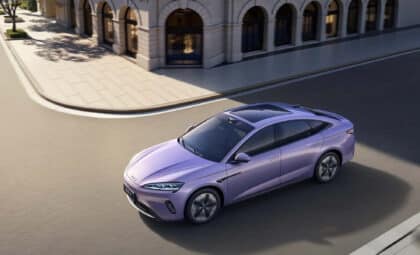
BYD made waves last week when it unveiled its Blade Battery 2.0 alongside what it calls Flash Charging technology. The system delivers up to 1,500 kW of peak power and can charge an electric vehicle from 10% to 70% in just five minutes. A fuller charge, from 10% to 97%, takes nine minutes. Even in extreme cold, temperatures as low as -30°C (-20°F), the system completes a recharge in 12 minutes.
The announcement was widely covered across the electric vehicle press, and for good reason. As reported by Electrek, the Flash Charging system effectively matches the convenience of a gas station stop, a comparison the industry has long treated as aspirational rather than achievable.
Geely Quietly Crosses the Same Threshold
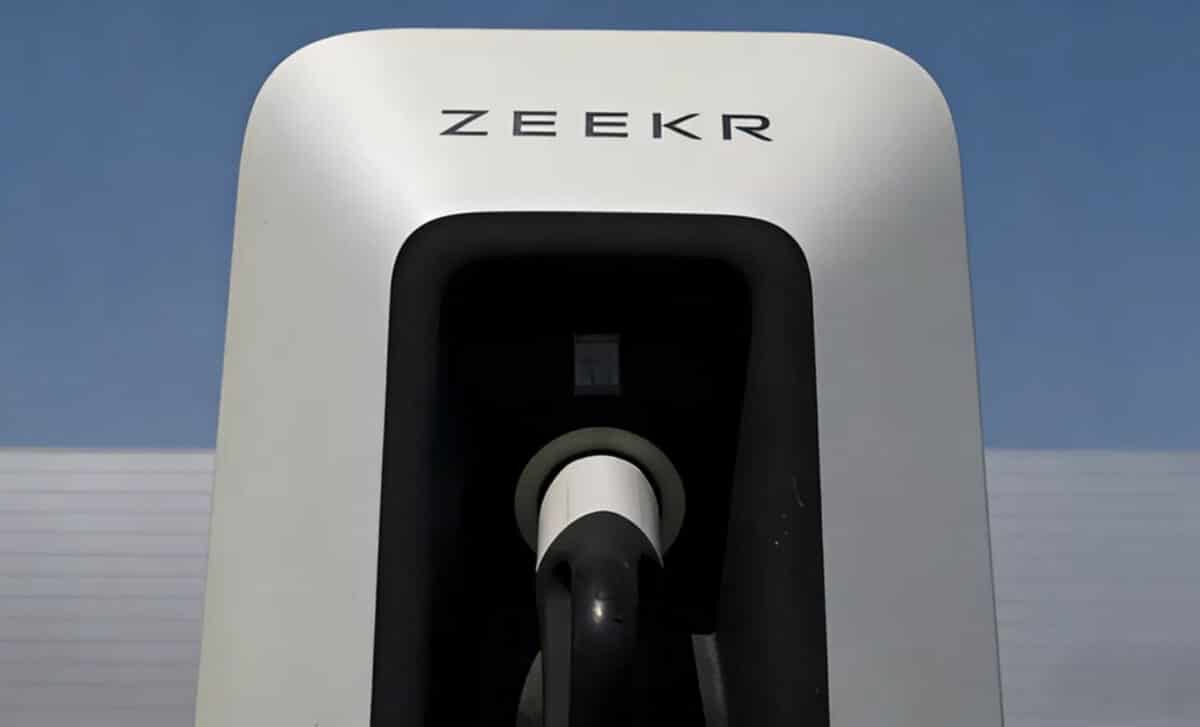
While BYD drew most of the attention, Geely, the Chinese conglomerate that owns Volvo, disclosed its own megawatt charging milestone in the same window. According to China’s Autohome, Geely announced on its website that its self-developed charging network now spans 2,103 stations across 215 cities, of which 1,216 are classified as ultra-fast charging stations. The network comprises 10,212 charging ports in total, including 5,548 ultra-fast chargers.
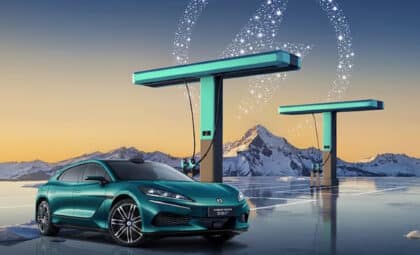
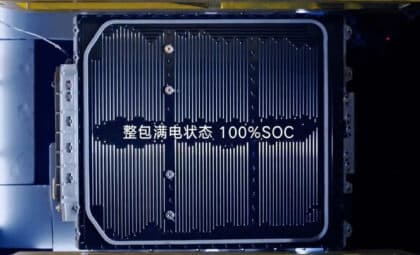
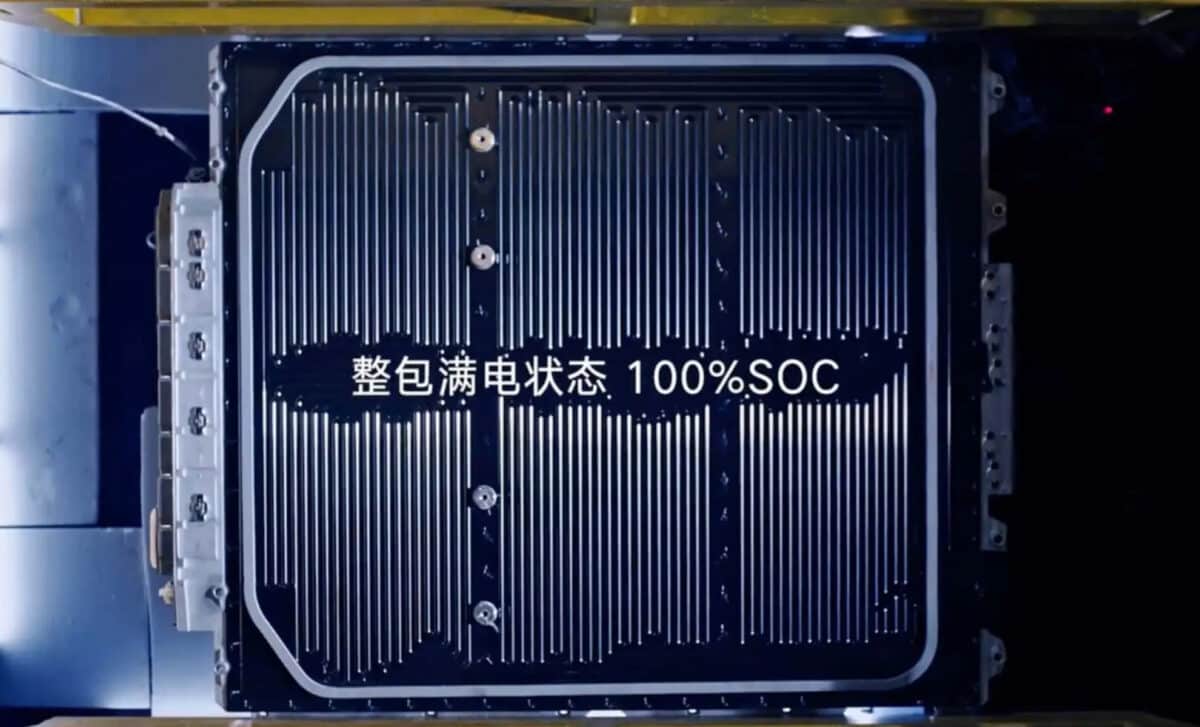
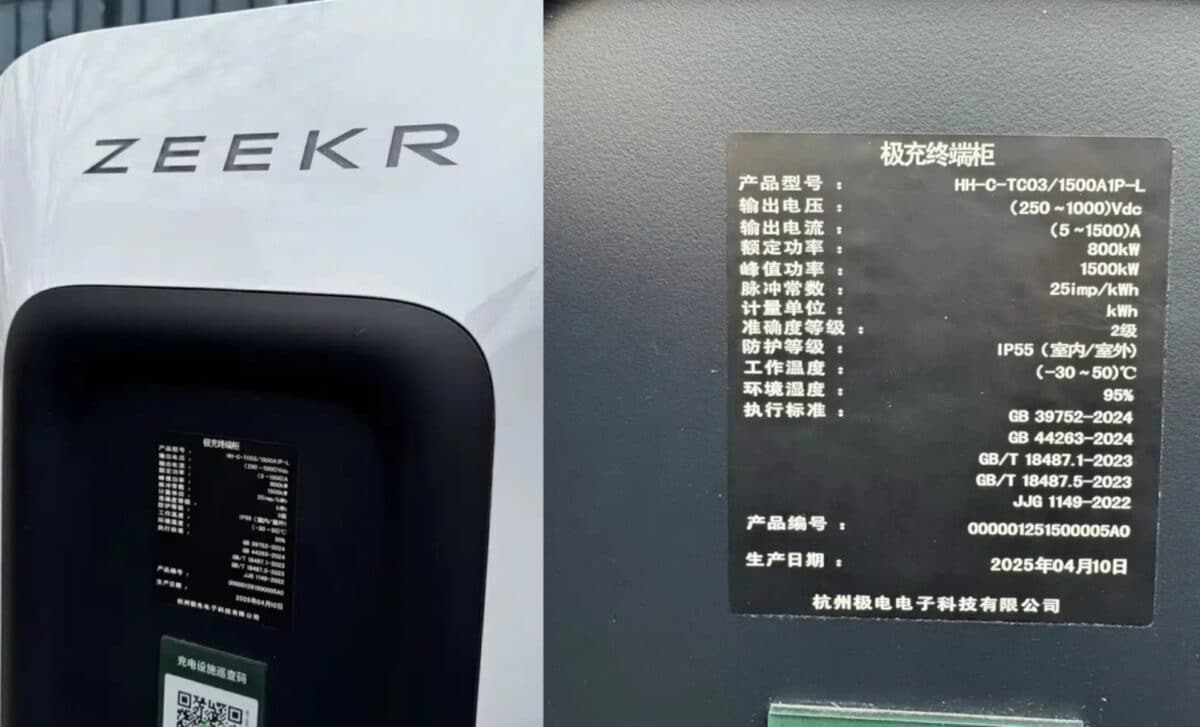
Geely’s proprietary hardware, marketed as the “Extreme Charge Megawatt Pile,” has reached a peak power of 1,300 kW through a single connector. The 1,500 kW figure was unlocked specifically through the updated Zeekr 001, a luxury electric vehicle equipped with a 12C charging rate. The new 2026 Zeekr 001, launched in October, runs on a 900V electric architecture, an upgrade from the 800V platform used in the outgoing model. Powered by Geely’s self-developed 95 kWh Golden Battery, the vehicle can recharge from 10% to 80% in approximately seven minutes.
A Broader Technology Race Taking Shape
Charging speed is only one dimension of the competition between these two giants. Both BYD and Geely are simultaneously advancing battery technology, including solid-liquid battery types, as well as new powertrains and advanced driver assistance systems (ADAS). The parallel development across multiple fronts reflects a broader strategy: maintain technological leadership across the entire EV ecosystem, not just in one component.
On the sales side, the two companies are not running neck and neck. In the first two months of 2026, Geely delivered around 76,000 more vehicles than BYD, which reported a 41% drop in sales last month. Whether charging infrastructure and battery innovation will translate into renewed commercial momentum for BYD remains an open question, though the technical ambition on display suggests neither company intends to cede ground.