This divergence reflects a broader moment of reassessment across the sector. While electric vehicles were once treated as an inevitable and rapid transition, shifting market conditions in the United States are forcing automakers to rethink timelines and priorities.
At the center of this shift are contrasting approaches: cautious expansion from some legacy automakers and notable pullbacks from others. The result is a fragmented landscape where no single strategy dominates.
Toyota’s Measured Approach Gains Renewed Attention
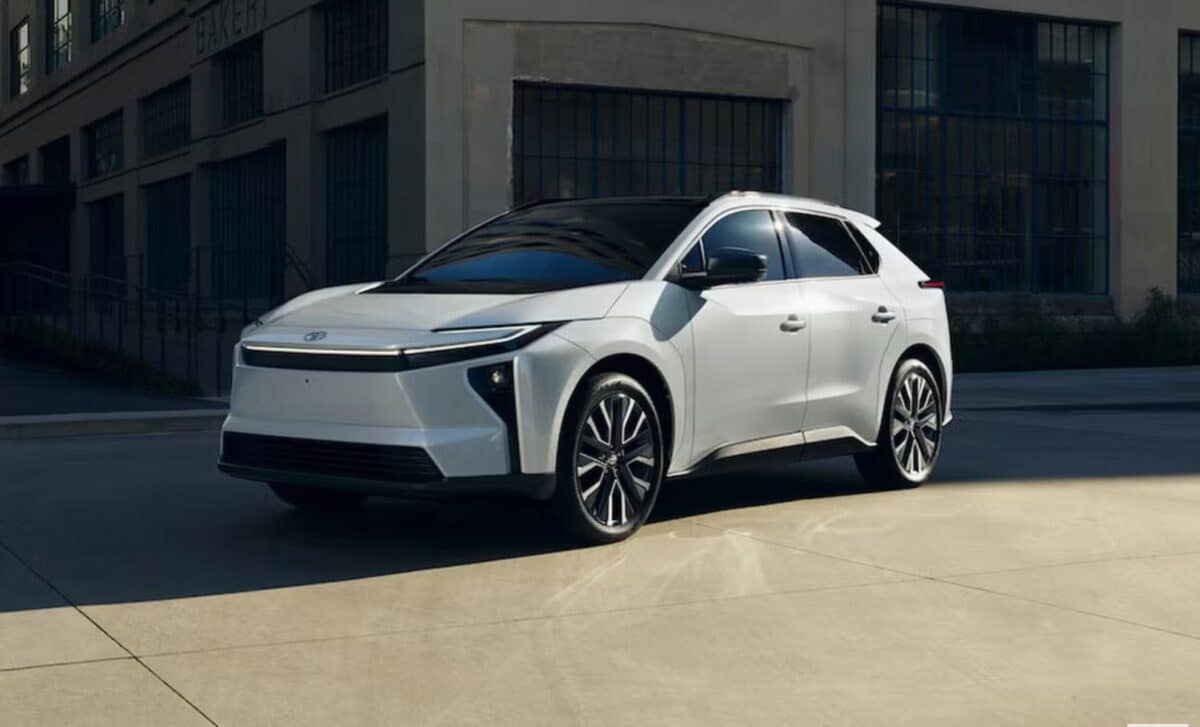
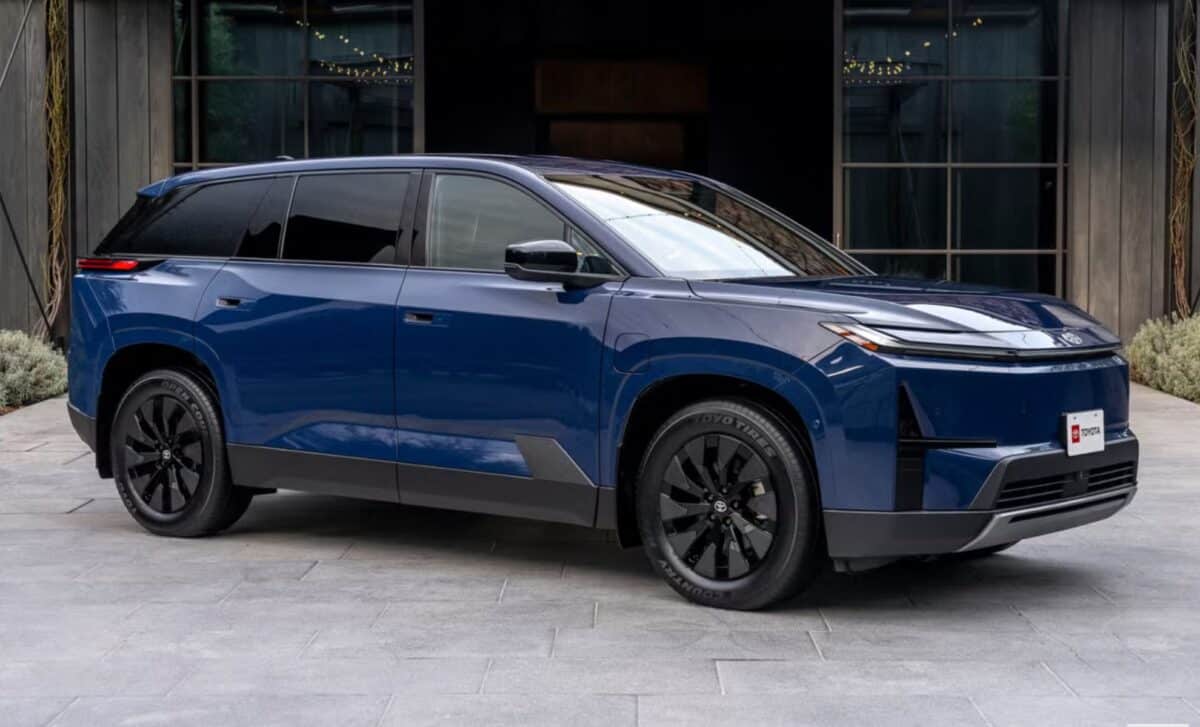
Toyota, long criticized for moving slowly on electric vehicles, is now being reassessed as its strategy begins to show flexibility. The company plans to launch four electric models in the United States by the end of the year, including the bZ, bZ Woodland, C-HR, and a three-row Highlander EV.
According to Automotive News, analysts from iSeeCars and Edmunds view this gradual rollout positively. Toyota’s sustained mix of hybrids, gasoline vehicles, and EVs has positioned it to adapt as demand fluctuates. What once appeared as hesitation is now seen, at least by some observers, as a hedge against volatility in the EV market.
This balance allows Toyota to respond without overcommitting resources to a segment that has yet to stabilize fully in terms of consumer adoption and pricing.
Honda, Stellantis, And Volkswagen Scale Back Ambitions
Other automakers are taking a more defensive stance. Honda has scrapped several planned electric models and is shifting focus toward hybrids, accepting a financial hit in the process. The company considers this adjustment a short-term necessity as EV demand remains uneven.
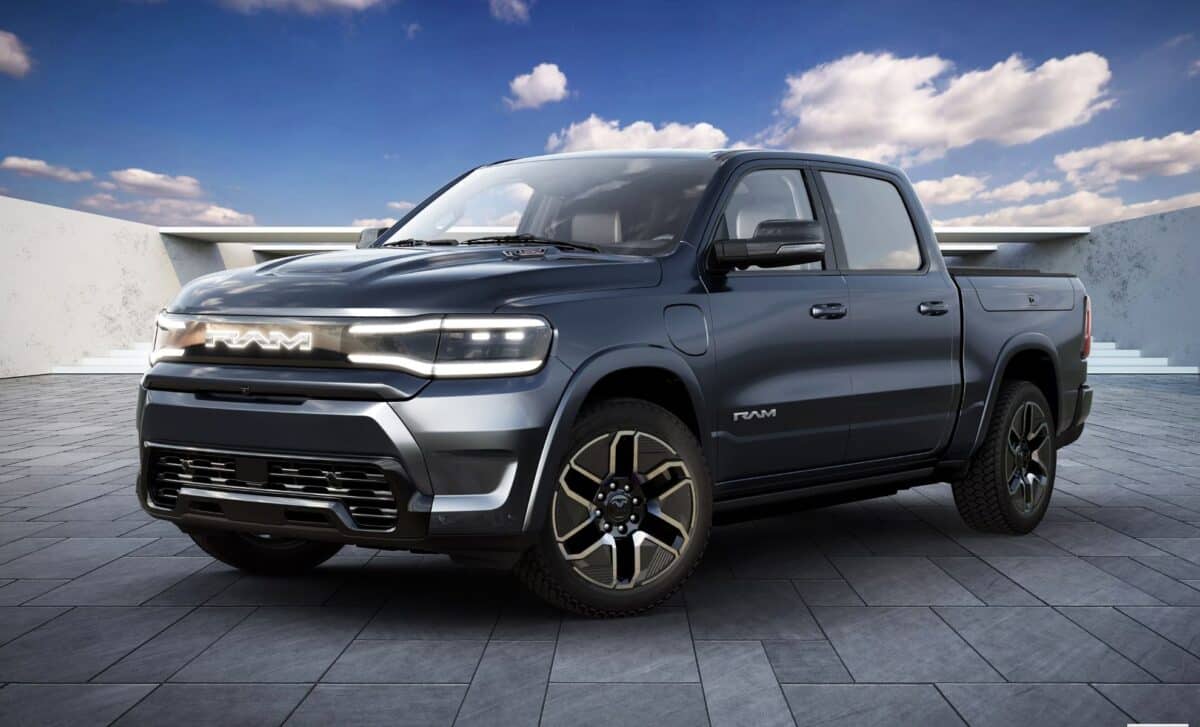
Stellantis is following a similar path. The group has canceled its electric Ram pickup and delayed other EV projects in Europe. According to Carscoops, these decisions reflect a broader effort to avoid overextending investment during uncertain market conditions.
Volkswagen has also revised its plans, canceling production of the U.S.-built ID.4 electric crossover. Aside from the ID Buzz minivan, the company does not intend to expand its EV lineup in the United States over the next few years, marking a notable pause in its earlier ambitions.
Ford, General Motors, And Mercedes Adapt Without Retreating
Not all automakers are pulling back. Ford and General Motors continue to invest in electric vehicles, though with adjusted production strategies. Rather than expanding aggressively, both companies are aligning output more closely with current demand levels.
This approach reflects a shift in timing rather than direction. Production is being streamlined to avoid oversupply while maintaining a presence in the EV market.
Mercedes-Benz is also maintaining its commitment to electrification in the United States, while still offering gasoline and hybrid options alongside new EV models. These varied strategies often come down to financial positioning. Some companies have the resources to sustain long-term investment, while others are prioritizing cost control to limit potential losses.
The result is an industry navigating a complex transition, where confidence in electric vehicles remains, but the pace and scale of adoption are increasingly contested.