


As the global population ages, the automotive industry is beginning to adjust its design priorities. In 2026, cars that once targeted younger, tech-obsessed buyers are now being reimagined with senior drivers in mind. Independent evaluations from both Europe and the United States have ranked the best models for older motorists, based not on speed or luxury, but on how easy they are to use, how safe they feel, and how well they support daily driving needs.
According to experts, features like high seat positions, wide doors, intuitive controls, and reliable visibility now define what makes a vehicle “the best” for older adults. These rankings don’t focus on stereotypes, they focus on usability and independence behind the wheel.
Europe’s ADAC Ranks 26 Cars With Strict Usability Criteria
In Germany, the Allgemeiner Deutscher Automobil-Club (ADAC), Europe’s largest mobility association, developed a comprehensive ranking of 26 cars best suited for senior drivers. The study evaluated models based on physical and ergonomic requirements: maximum length of 4.5 meters, minimum seat height of 47 cm, ease of entry, loading edge height, dashboard simplicity, and visibility.
The list is dominated by compact SUVs and high-roof vans, vehicles that allow easier access and better posture. Among the top-performing models:
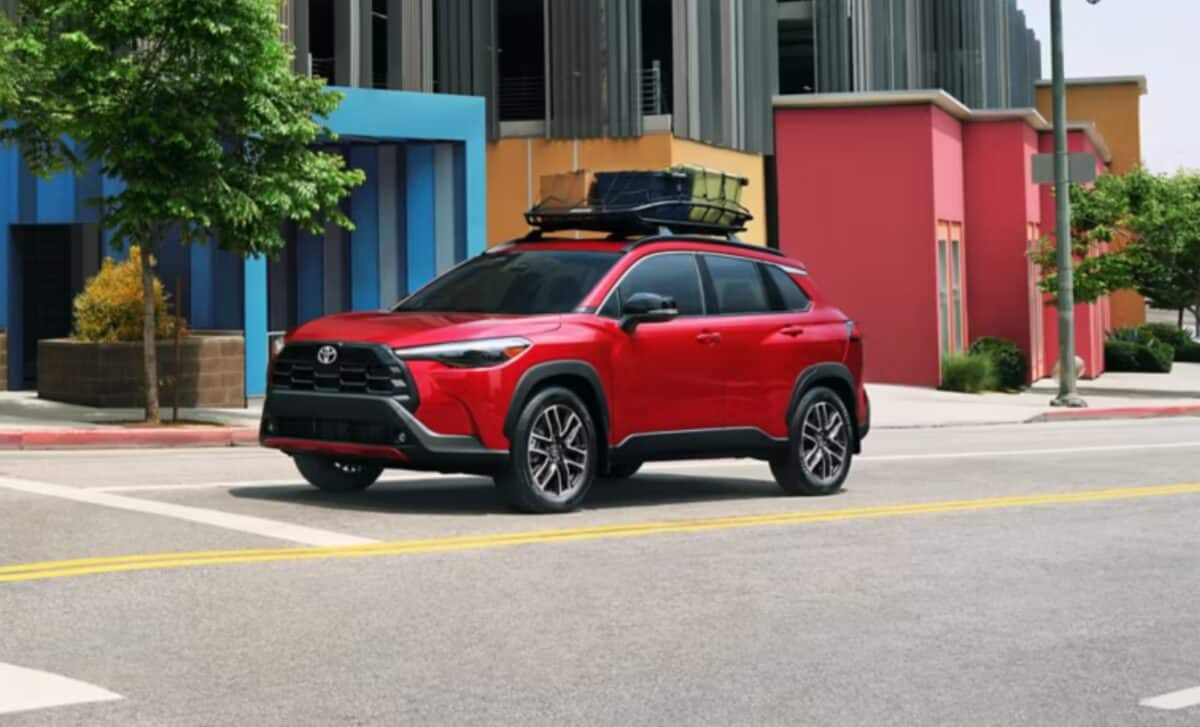
- Toyota Corolla Cross (4460 mm): Seat height of 525 mm, control usability score of 2.5, and top visibility rating of 4.0.
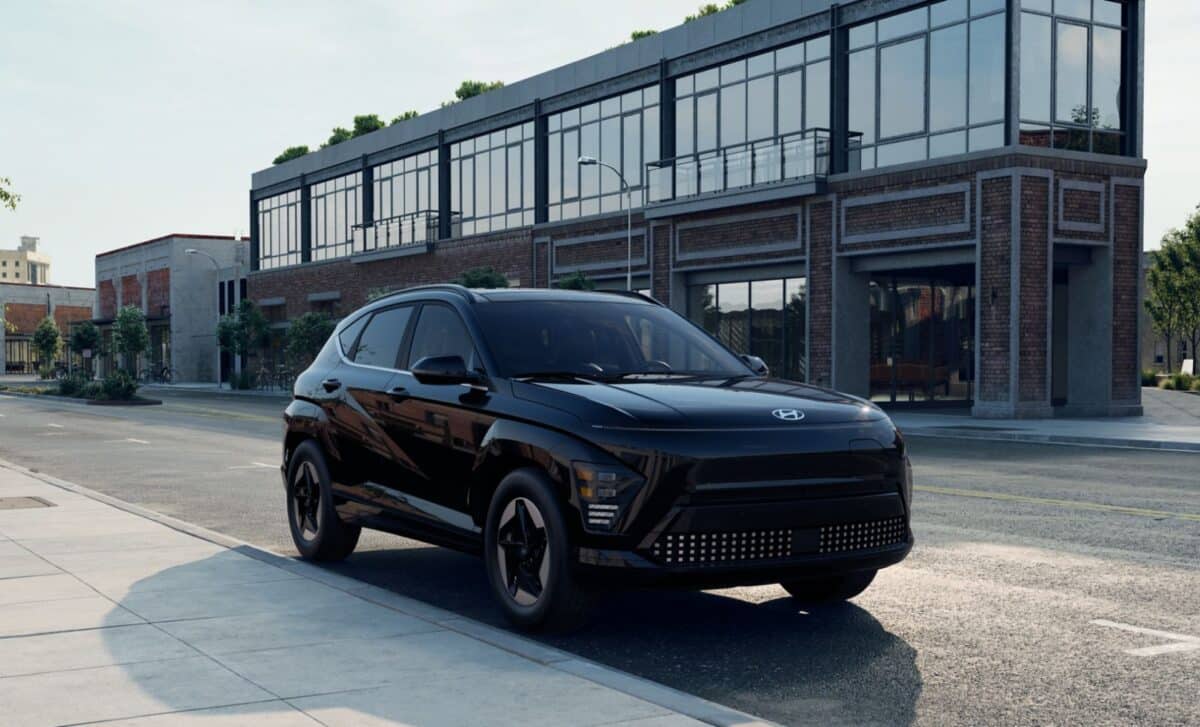
- Hyundai Kona Electric (4355 mm): Seat height of 530 mm, usability score of 2.1, visibility rating of 4.0.
- Renault Captur (4227 mm): Seat height of 550 mm, usability score of 2.6 (the highest in the study), visibility 3.9.
- Mitsubishi Eclipse Cross, Nissan Juke, Toyota Proace City Verso, and VW T-Roc Cabriolet all scored visibility ratings between 3.5 and 4.0.
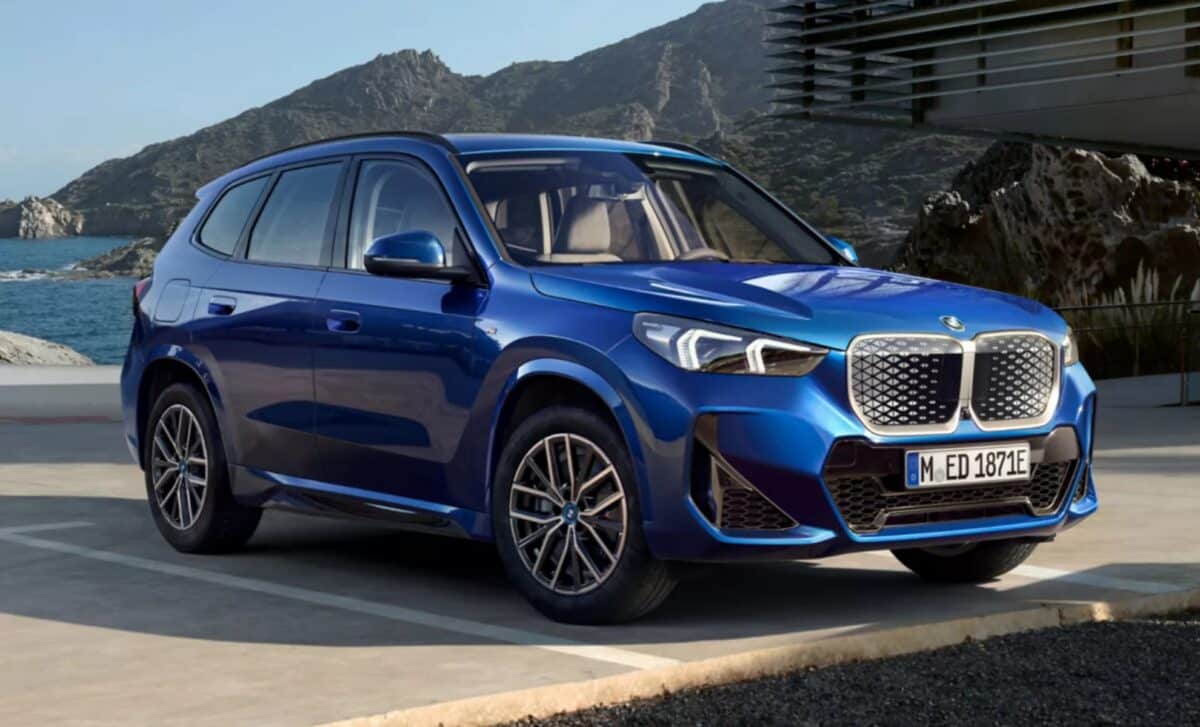
Premium models like the BMW X1, Lexus LBX, Audi Q2, and Audi Q3 delivered strong performance in comfort and visibility but came with higher price points. Affordable alternatives like the Škoda Kamiq, VW T-Cross, and Seat Arona offered a good balance between price and accessibility.
ADAC’s testing also emphasized interface clarity. Vehicles such as the Citroën C5 Aircross (550 mm seat height), Fiat 500X, Ford Puma, and Kia Niro Hybrid combined moderate dimensions with user-friendly layouts. Several electric and hybrid models made the list, including the BMW iX1, Renault Scénic E-Tech Electric, and Opel Combo Electric Life, reflecting a growing alignment between senior-friendly features and electric mobility.
U.S. Picks Emphasize Comfort and Advanced Safety
In the United States, a ranking of 15 vehicles highlighted models that prioritize ease of use, driving comfort, and driver assistance systems. These cars were selected for their ability to reduce stress behind the wheel and provide a smoother, safer experience for older drivers. At the top of the list:
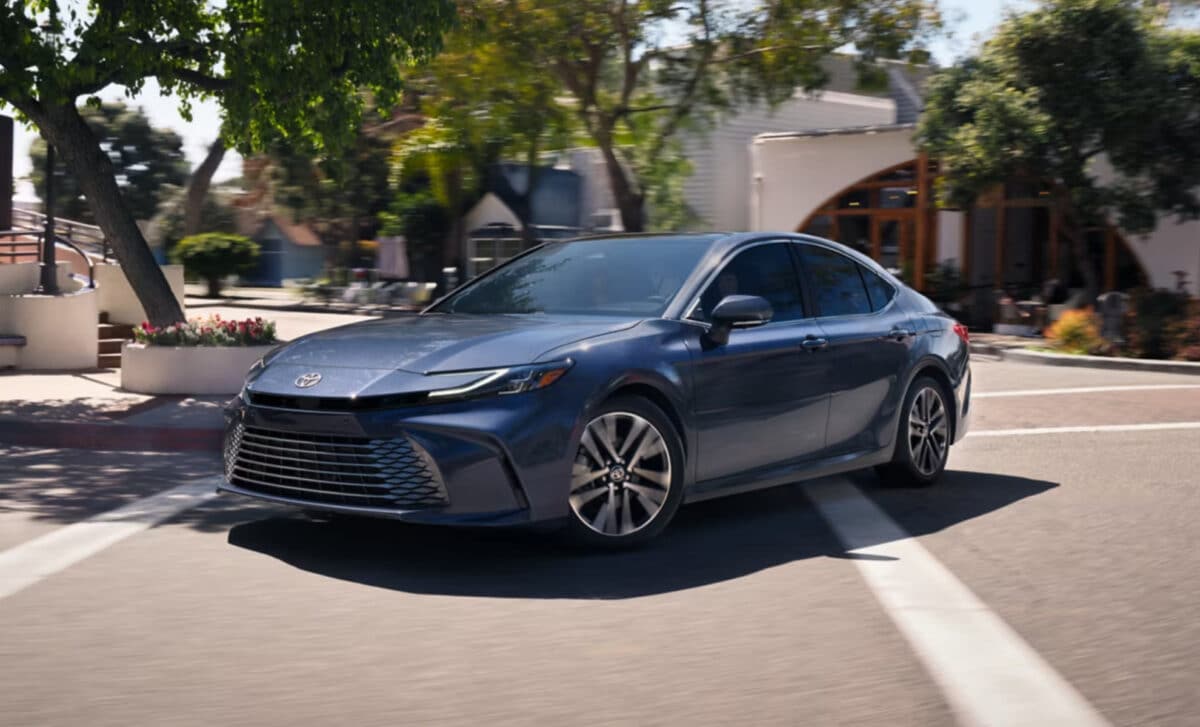
- Toyota Camry (from $28,700): Offers a combined MPG of up to 51, an intuitive infotainment system, and features like Pre-Collision System with Pedestrian Detection and Lane Tracing Assist.
- Honda Accord (from $28,295): Features Forward Collision Warning, Lane Keeping Assist, and a quiet, spacious cabin with wide doors.
- Toyota RAV4 (from $28,850): Equipped with Blind Spot Monitor, Rear Cross-Traffic Alert, and wireless Apple CarPlay.
- Subaru Outback (from $29,010): Known for EyeSight Driver Assist Technology and Reverse Automatic Braking.
- Kia Soul (from $20,490): Compact and practical, with Forward Collision-Avoidance Assist and Lane Departure Warning.
The Lexus RX Hybrid ($50,475) was also praised for combining luxury with high visibility, a hybrid system, and dynamic radar cruise control. Other models like the Honda CR-V, Subaru Forester, and Mazda CX-5 were highlighted for their accessible seating, adaptive cruise control, and lane departure technologies.
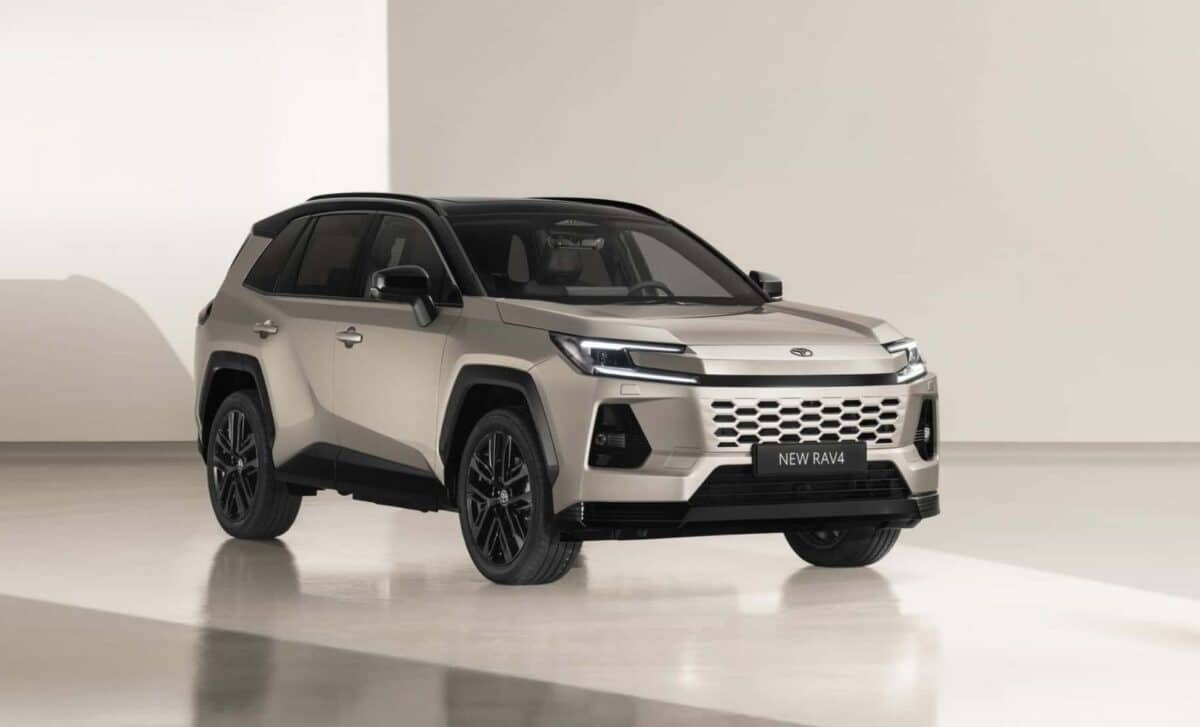
The list also included the Hyundai Santa Fe, Buick Encore GX, Nissan Rogue, Toyota Highlander, Ford Escape, and Chevrolet Equinox. These vehicles offer user-friendly touchscreens, spacious cabins, and active safety features like pre-collision assist, bird’s eye view cameras, and road departure mitigation systems.
Wide-opening doors, quiet cabins, low step-in heights, and intuitive dashboard controls are what truly define a senior-friendly vehicle; not just the model or the price tag.
Accessibility Redefines Performance
Taken together, the two rankings, show that the industry’s understanding of performance is changing. Seniors don’t need stripped-down cars; they need intelligent ones. Vehicles like the Renault Captur, Hyundai Kona Electric, and Seat Ateca prove that functionality and thoughtful design can go hand in hand with aesthetics and technology.
Electric vehicles are making their way into senior-friendly lists, too. The Hyundai Kona Electric and Renault Scénic E-Tech Electric received praise for their quiet cabins and smooth drivetrains, though their touchscreen-based controls and charging requirements may still limit appeal for less tech-savvy drivers.