
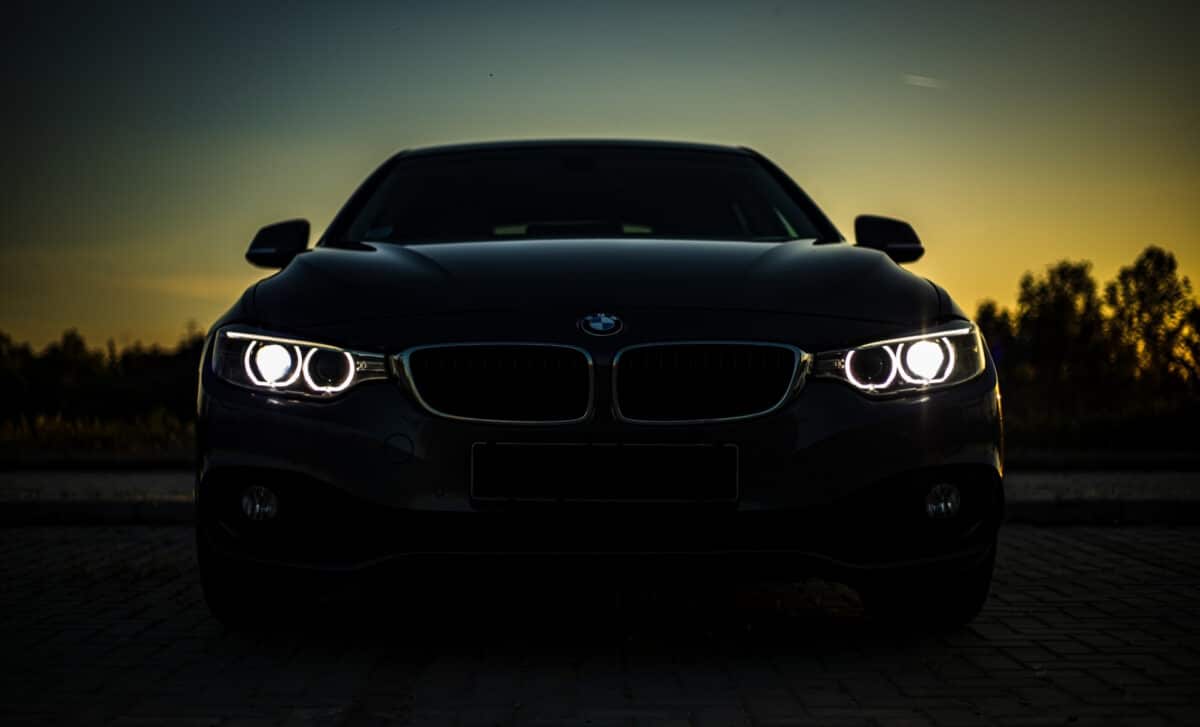
According to Joachim Post, BMW’s head of R&D, the 4 Series “will continue to play an important role going forward,” offering one of the clearest signals yet that a third-generation model is being prepared.
Though BMW hasn’t officially announced a full redesign, early indicators show that a next-gen 4 Series will be developed alongside the brand’s Neue Klasse platform. With the current model expected to stay in production through at least 2029, BMW appears to be pursuing a dual strategy, keeping combustion engines alive while introducing updated electric variants under the same nameplate.
The 4 Series was launched in 2013 as the successor to the E92 and E93 3 Series Coupe and Convertible, and expanded in later years to include the Gran Coupe variant. The second-generation model entered production in 2020, and BMW has only recently begun hinting at the development of its successor. The decision to keep the nameplate active reflects both its popularity and BMW’s flexible product roadmap as it navigates the industry’s transition to electrification.
Platform Strategy Splits Between Clar and Neue Klasse
BMW is expected to base the next generation of the 4 Series on two different platforms, depending on the powertrain. The current 4 Series uses the brand’s CLAR platform, which accommodates both combustion and electric configurations. If BMW continues with internal combustion variants, they would likely remain on an upgraded version of this platform, reports Motor 1.
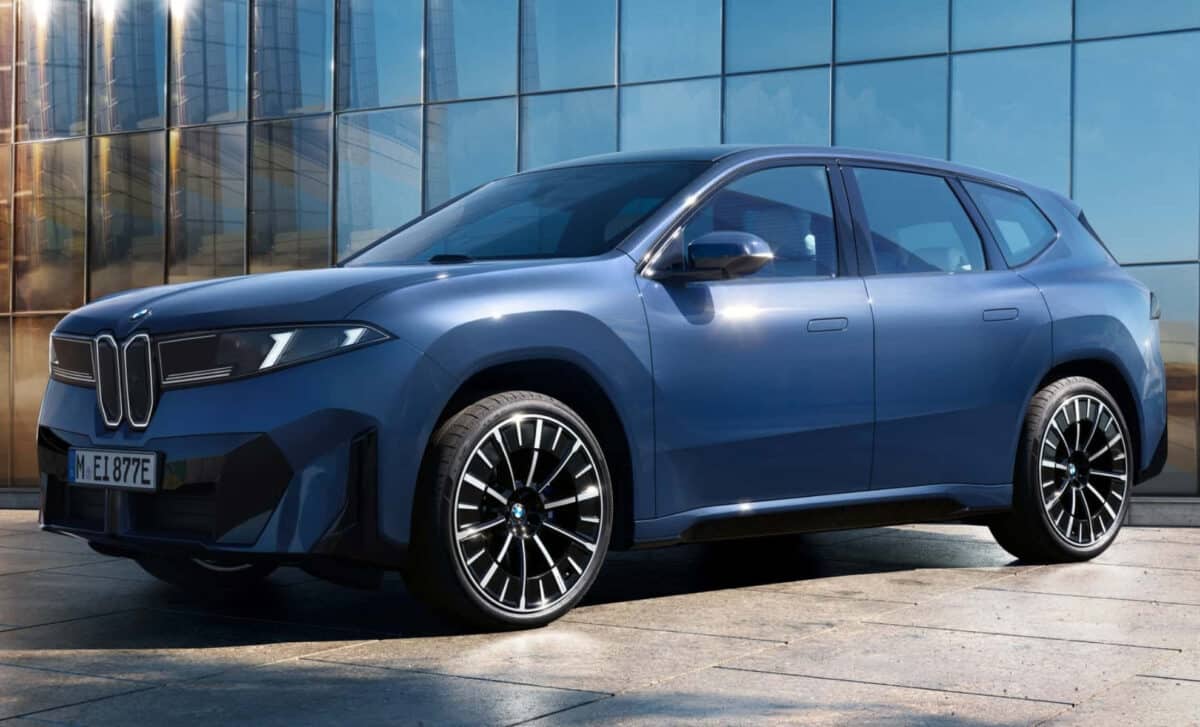
Electric versions, such as the i4, are set to transition to the Neue Klasse (NK) platform. This platform features 800-volt electrical architecture and introduces a fully software-defined vehicle structure. NK-based models will include multiple centralized computing units, referred to as “superbrains”, that manage functions like vehicle dynamics and advanced driver-assist systems. The iX3, a Neue Klasse prototype, already operates with four of these central control units, and BMW is expected to carry similar technology into the electric 4 Series.
The NK platform is a foundational shift for BMW, enabling a higher level of system integration and performance customization through software. By splitting the platform strategy, BMW can offer the 4 Series in both traditional and electric formats without compromising the distinct engineering requirements of each.
Powertrain Lineup Builds on Existing Performance Tiers
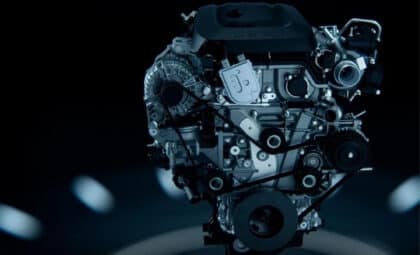
If the third-generation 4 Series retains combustion engines, it will likely continue with refined versions of its current powertrains. Today’s model includes a 2.0-liter turbocharged four-cylinder producing 255 horsepower and a 3.0-liter turbocharged inline-six making 386 horsepower. In its high-performance form, the M4 variant delivers 473 horsepower. These configurations underline the model’s performance focus, and BMW is expected to keep this direction intact.
For electric versions, performance benchmarks are being set by the iX3, which offers 463 horsepower and 473 pound-feet of torque using two in-house developed motors. While the new electric 3 Series hasn’t been officially revealed, its drivetrain is expected to serve as a reference point for the next electric 4 Series.
The current i4 lineup already delivers strong output, with rear-wheel and all-wheel drive setups. The i4 M60 reaches up to 593 horsepower, suggesting BMW’s electric 4 Series will continue to offer high-performance alternatives within the growing EV market. No specific electric configurations have been confirmed, but power and drivetrain flexibility are expected to remain central.
Design Overhaul and Pricing Signals Future Positioning
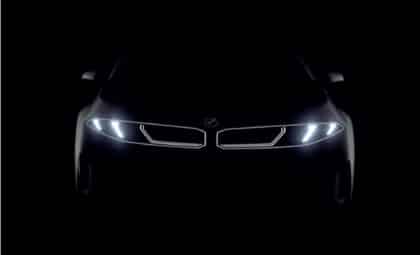
Visually, the next-generation 4 Series is set to adopt the brand’s Neue Klasse styling. BMW has already confirmed that the design used for the upcoming iX3 and next 3 Series will be rolled out across its future models. That includes smoother surfaces, rounded edges, and a more streamlined overall profile.
The interior will likely be equipped with BMW’s new infotainment system, centered around a panoramic display running across the dashboard base and positioned at the bottom of the windshield. This system, announced more than a year ago, is confirmed for use across all future BMW models, bringing a unified digital experience to the entire lineup.
As for pricing, the current 4 Series lineup begins at $52,550 for the Gran Coupe and $54,650 for the Coupe. The electric i4 starts at $59,250, while the M4 has a starting price of $83,550. The next-gen models are expected to launch in the mid-to-high $50,000 range, with rising costs likely as the current generation continues through 2029.
While the development of future combustion variants has not been fully confirmed, a report from BMWBlog indicates that BMW has already approved the next-generation i4. Internal discussions are ongoing regarding the rest of the 4 Series lineup, suggesting that a broader strategy is still being finalized.
The current generation will remain in production for several more years, giving BMW the space to refine its approach and respond to market demands.