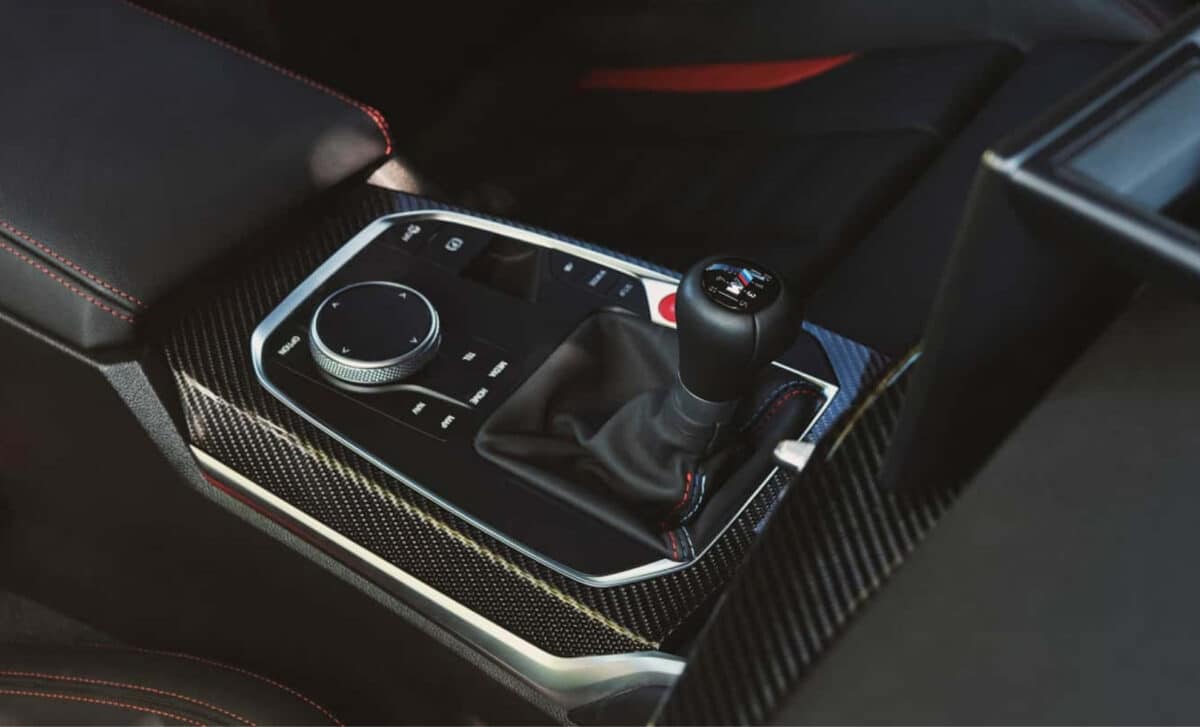
Manual transmissions have been declining across the automotive industry for years, mainly because automatic gearboxes can handle more torque, improve fuel efficiency, and integrate more easily with modern driver-assistance systems. Despite this trend, BMW’s M division is still trying to find ways to keep the manual alive in its performance lineup.
Earlier this year, BMW M boss Frank van Meel explained that manual gearboxes do not make sense from a pure engineering perspective because they limit engine torque compared with automatic transmissions. Still, customer demand and brand identity continue to justify keeping manuals in some models, at least for now.
Engineering Limits Are a Major Obstacle
Manual transmissions cannot handle as much torque as modern automatic gearboxes, which is one of the main technical challenges BMW faces. According to Motor1, Frank van Meel said manuals limit the engine’s torque output, while automatic gearboxes can handle the full power of BMW’s inline-six engines.
Engineers could theoretically develop a stronger manual transmission capable of handling more torque, but the cost would be high and difficult to justify given the relatively low demand for manual cars. Automakers must balance development costs with expected sales volume, and manual gearboxes are now a niche product.
This financial reality makes it difficult for manufacturers to invest in entirely new manual transmission systems, especially at a time when companies are spending heavily on electric vehicle development.
Limiting Engine Torque Could Be the Solution
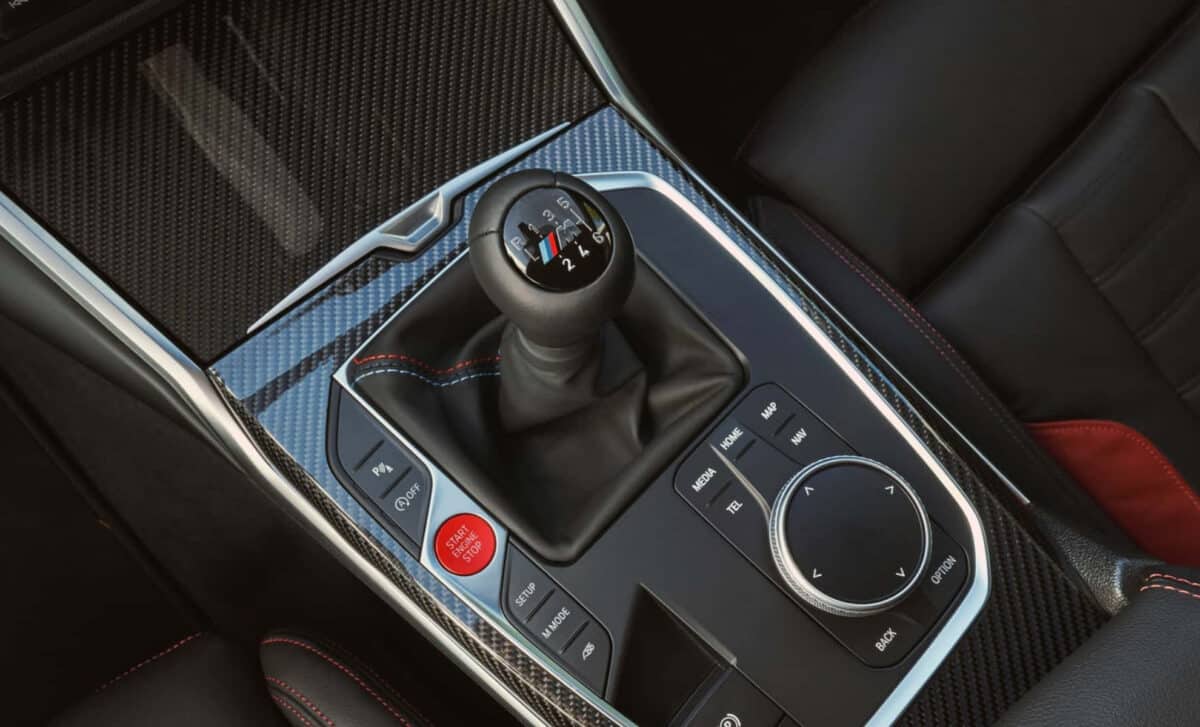
BMW may be considering limiting engine output in manual versions of its performance cars to preserve transmission durability. This strategy is already in use on the BMW M2, where the automatic version produces 50 Nm more torque than the manual version.
Sylvia Neubauer, Vice President of Customer, Brand, and Sales at BMW M, told Automobilwoche that engineers are working on a solution to keep the manual gearbox available, although she did not provide technical details. She stated that the company “promises a solution,” suggesting BMW is actively trying to maintain manual options in future models.
This approach would allow BMW to continue offering manual transmissions without developing entirely new gearboxes.
Regulations, Costs, and Technology Are Pushing Manuals Out
Several industry factors are accelerating the decline of manual transmissions. Stricter emissions regulations in Europe are making manuals less viable because automatic transmissions often produce lower CO₂ emissions, which helps manufacturers meet fleet emission targets and avoid fines.
Suppliers are also less willing to produce manual gearboxes in small volumes, since economies of scale are harder to achieve with low-volume products. At the same time, modern driver-assistance systems are primarily designed to work with automatic transmissions, creating another technical barrier for manuals.
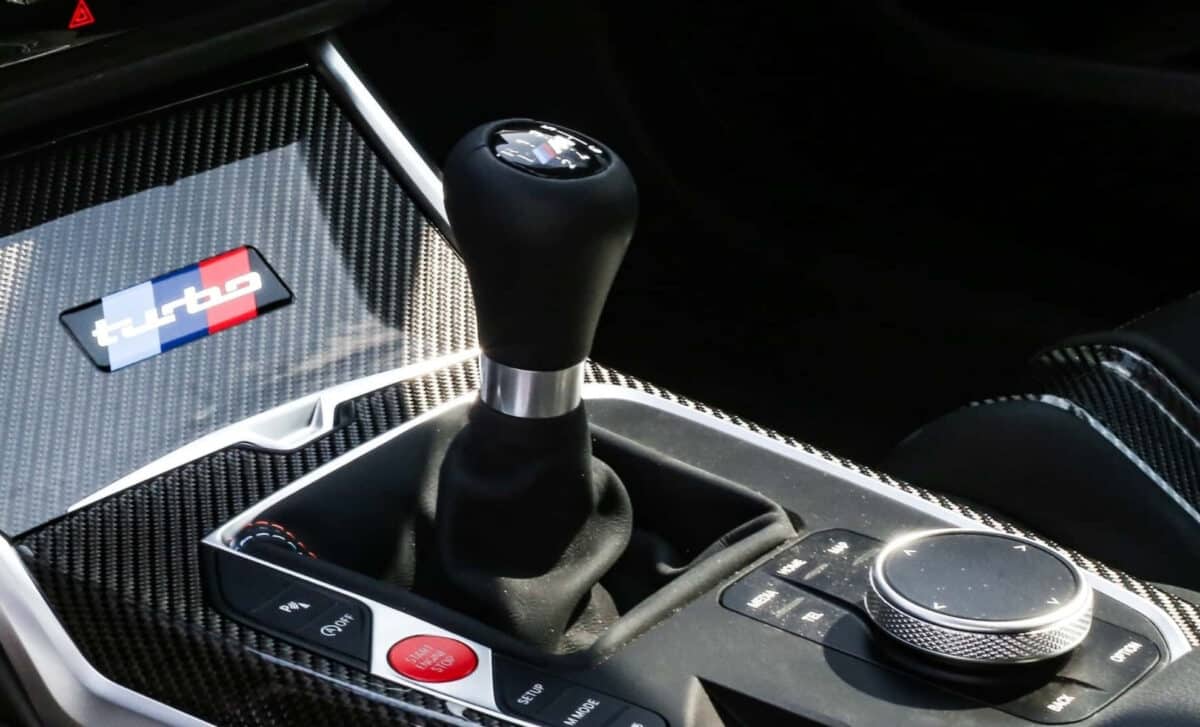
BMW still plans to continue producing high-performance internal combustion models, including a next-generation M3 with a six-cylinder engine expected around 2028. In the meantime, the number of manual BMW models is shrinking, with only the M2, M3, and M4 still available with a six-speed manual after the Z4 M40i ends production.
For now, the manual gearbox remains part of BMW’s identity, but its long-term future remains uncertain as the automotive industry continues to change.