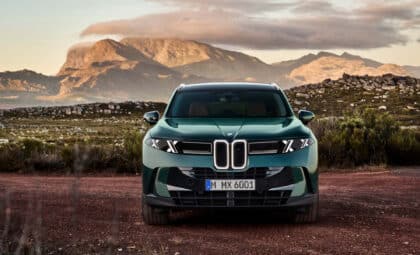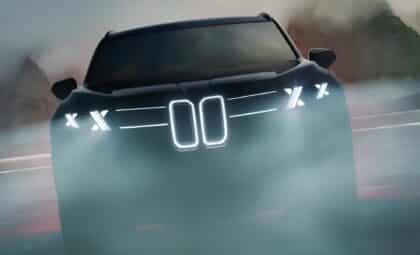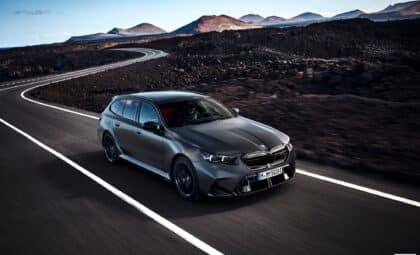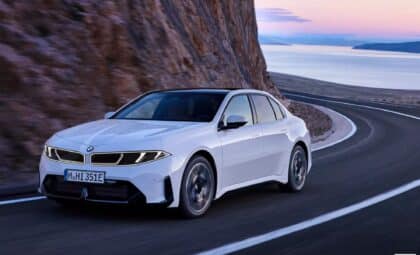
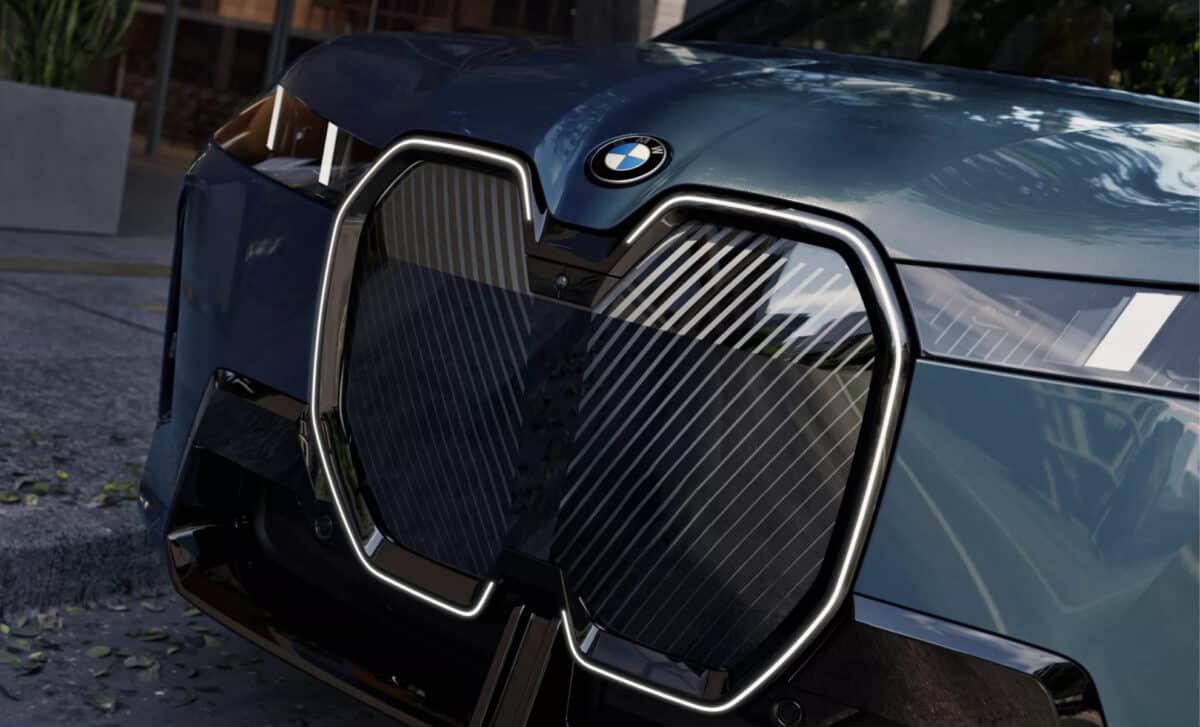
Introduced as a technological showcase, the iX helped define BMW’s early electric strategy in the 2020s. Its departure reflects both changing market conditions and the arrival of more advanced models built on the brand’s next-generation platform.
BMW confirmed that the decision is part of a broader transition. The company is maintaining its commitment to electrification in the United States, even as it adjusts its lineup and timing in a shifting policy and market environment.
A Flagship EV Designed to Showcase Technology
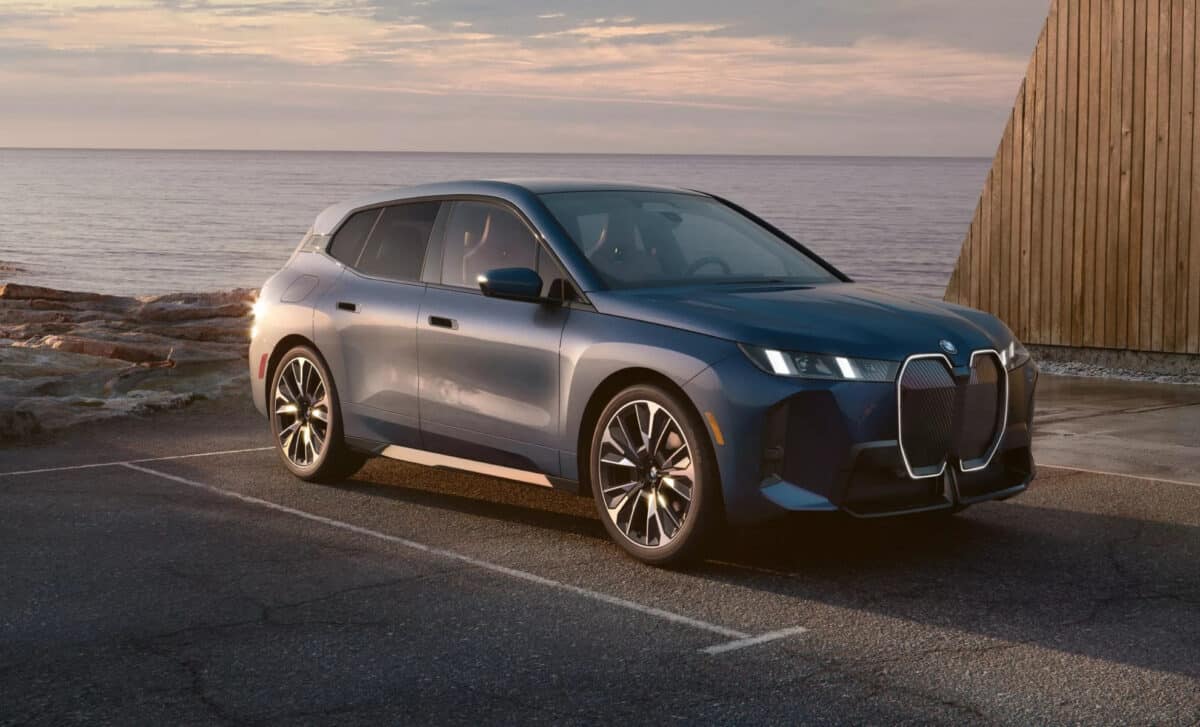
The BMW iX launched in 2021 as a dedicated electric vehicle, distinct from the brand’s combustion models in both design and engineering. It followed the earlier i3 and served as a “rolling technology statement,” presenting BMW’s fifth-generation EV technology, according to InsideEVs.
The model stood out for its unconventional styling and interior approach. It featured a minimalist, lounge-like cabin and the use of materials such as carbon fiber reinforced plastic. These choices, while innovative, also made the vehicle polarizing among consumers.
BMW never positioned the iX as a high-volume seller. Instead, it was intended to highlight new design language, advanced electronics, and electric drivetrain capabilities. Over time, however, the technologies it introduced have become less distinctive as the industry evolved.
Declining U.S. Sales and Shifting Strategy
Sales figures illustrate the model’s trajectory in the United States. According to Motor1, the iX reached its peak in 2023 with 17,301 units sold. That number declined to 15,383 in 2024 and further to 12,587 in 2025. The downward trend accelerated in 2026. Through the first three months of the year, sales dropped by 50.7 percent, with just 1,788 units sold.
BMW indicated that the decision to end U.S. allocations is tied to a broader evolution of its lineup. In a statement relayed by BMW Blog, the automaker said it is “concluding U.S. allocation of the BMW iX as we prepare for the next generation of our fully electric vehicles.”
At the same time, external factors are influencing the market. Automakers are adapting to changing U.S. policies, including the end of the EV tax credit, while reassessing electrification strategies and demand.
Neue Klasse and the Arrival of the iX3
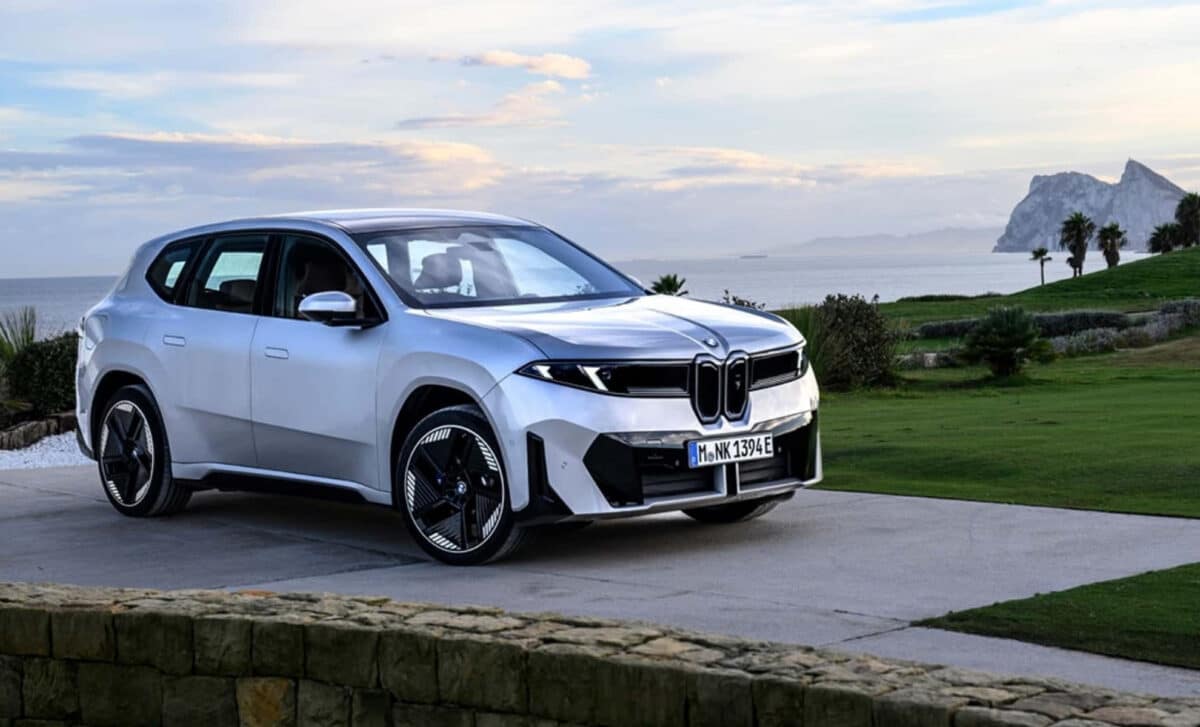
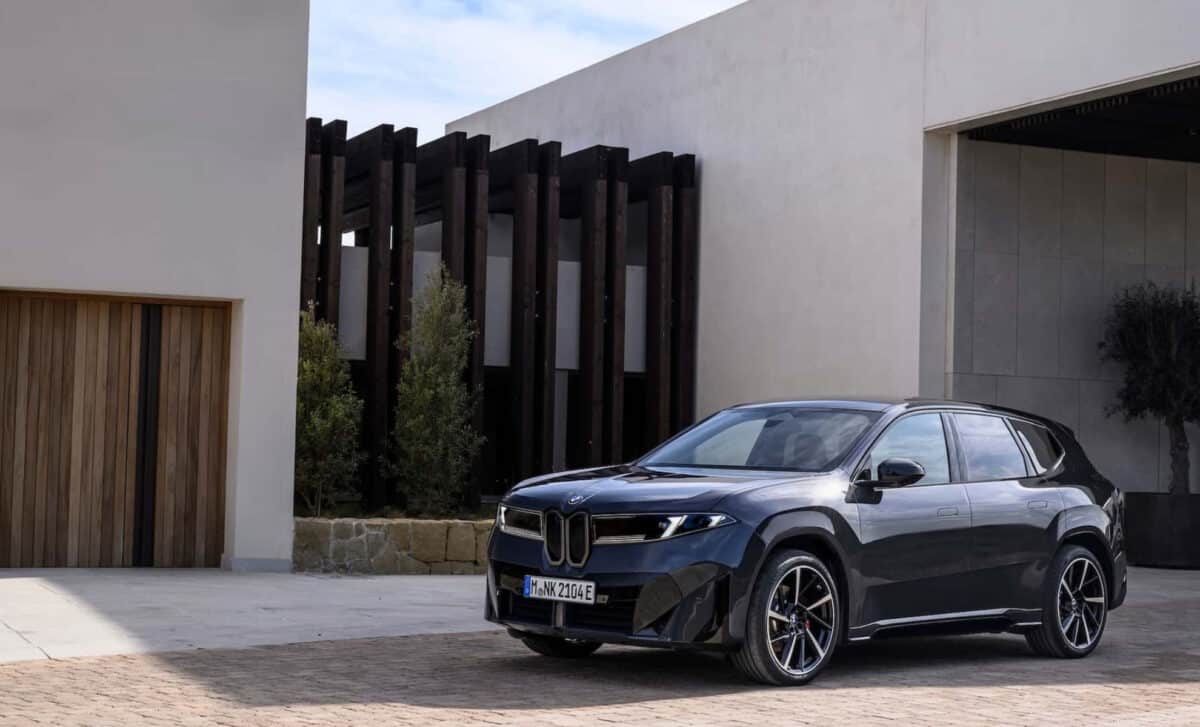
The iX’s exit coincides with the introduction of BMW’s Neue Klasse generation of electric vehicles. These models are built around sixth-generation eDrive technology, which will gradually expand across the lineup.
The first major successor is the BMW iX3 crossover. It is expected to offer around 400 miles of EPA range, supported by improved efficiency, updated electronics, and a battery system comparable in capacity to the iX xDrive60.
The iX3 is also designed to be lighter and more aerodynamic than the iX, with a lower drag coefficient and charging capability of up to 400 kilowatts. It introduces a new user interface as well.
BMW has already begun delivering the iX3 in Europe, while the U.S. market is expected to receive pricing details in April and initial deliveries in October. The starting price is projected at around $60,000, according to InsideEVs.
In the meantime, BMW says it will maintain a broad range of powertrain options in the U.S. “We have a very clear plan of how we bridge from our Gen 5… to our Gen 6,” said Shaun Bugbee, who oversees BMW sales in North America. The goal is to ensure continuity across segments during the transition.
Even as the iX leaves the American market, BMW will continue producing and selling the model in other regions. How long that will last remains unclear as the Neue Klasse rollout accelerates.