
Long-distance travel has long been seen as a limitation for electric vehicles, often tied to concerns over charging time and range. Recent advances in battery capacity and drivetrain efficiency are steadily shifting that perception.
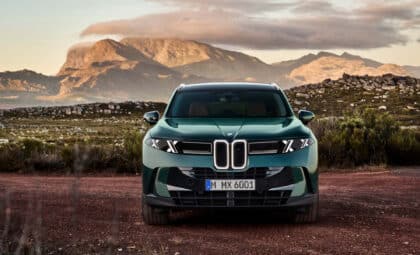
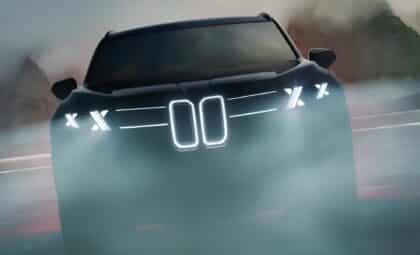
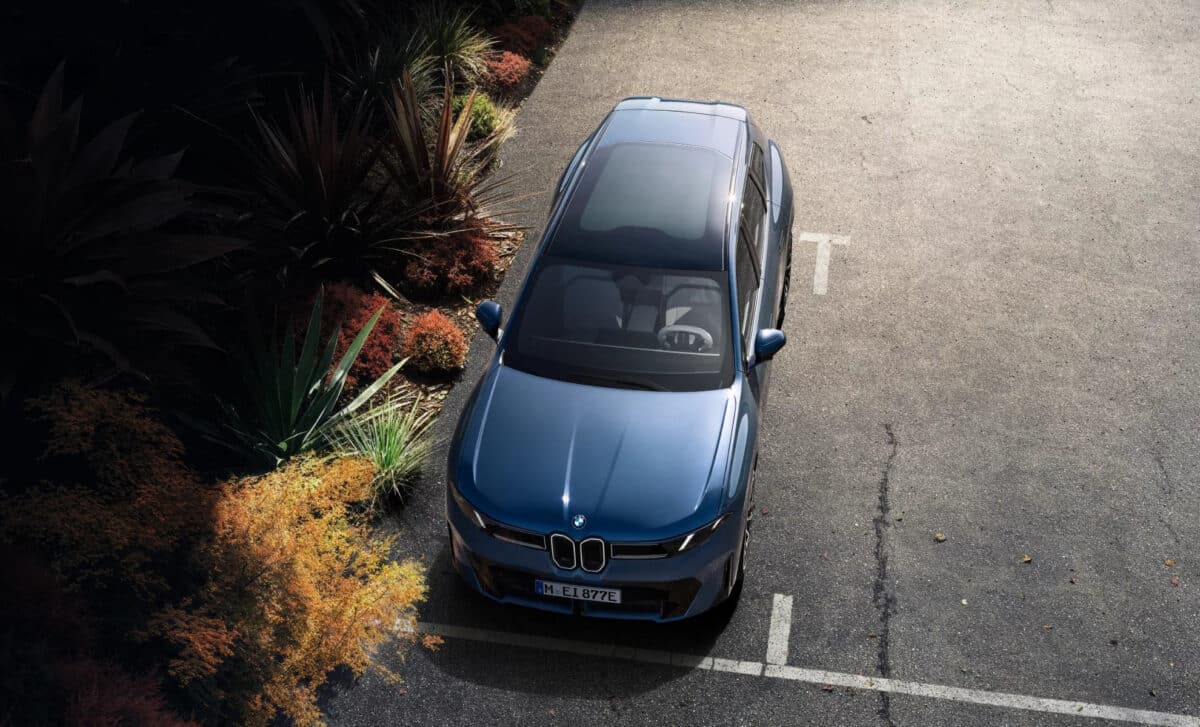
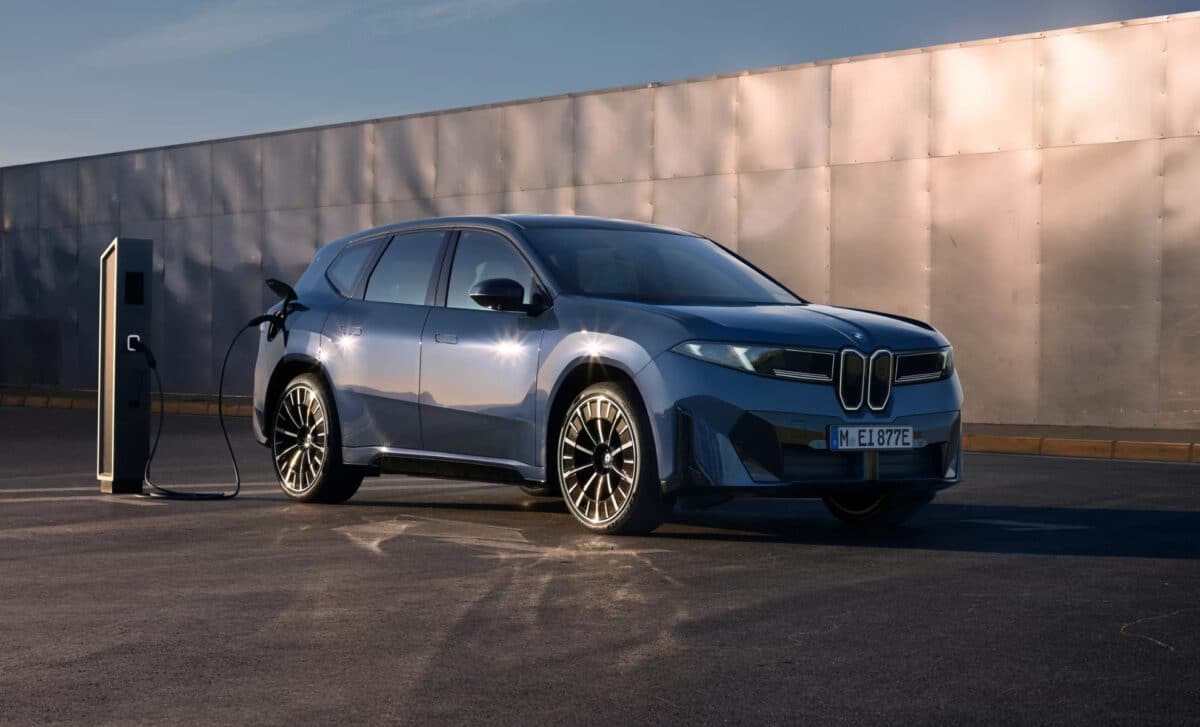
The latest-generation BMW iX3 positions itself within this evolution, offering over 400 miles of claimed range alongside rapid charging capabilities. A real-world test conducted by EV enthusiast Bjorn Nyland provides a clearer picture of how these specifications translate on the road.
A Controlled 621-Mile Test Under Real Conditions
The challenge consisted of driving 621 miles, or 1,000 kilometers, on highways in real traffic while factoring in charging stops. According to InsideEVs, the goal was to measure total travel time rather than isolated metrics like range or peak charging speed.
Nyland set out with the iX3 xDrive50, the only available version, using cruise control at 75 mph (120 km/h). The test took place in an ambient temperature of around 32°F (0°C), conditions that are generally unfavorable for maximizing electric range. The vehicle was also fitted with 21-inch wheels, which are less efficient than the optional 20-inch set.
Competitive total time with fewer stops
Despite these constraints, the BMW iX3 completed the journey in eight hours and 55 minutes, requiring only two charging stops. This total time matches that of the Tesla Model S Long Range and the Zeekr 7X Performance in similar tests.
What stands out is that the iX3 achieved this result while maintaining higher efficiency than both competitors, even in colder weather conditions. The outcome suggests that environmental factors did not prevent the vehicle from remaining competitive across the full trip.
Efficiency and charging performance in focus
Data from the test shows the iX3 averaged 42.9 kWh/100 miles, equivalent to 2.3 miles per kWh or 26.7 kWh/100 km. This efficiency level was recorded alongside charging speeds reaching up to 400 kW.
Nyland noted that the vehicle combined efficiency, fast charging, and overall comfort without notable compromises. The test results reinforce the idea that newer electric vehicles are increasingly capable of handling long-distance travel with fewer interruptions and competitive total journey times.