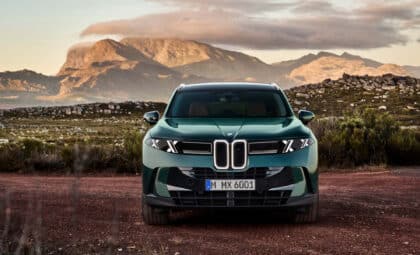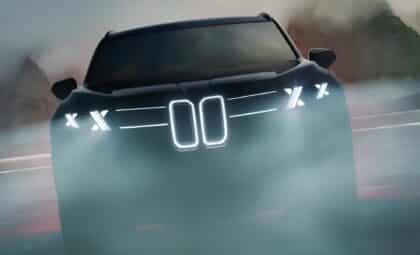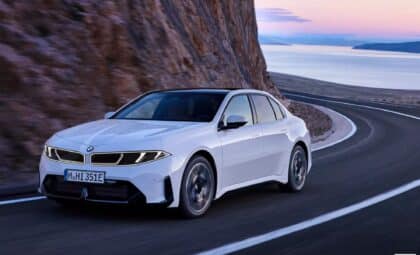

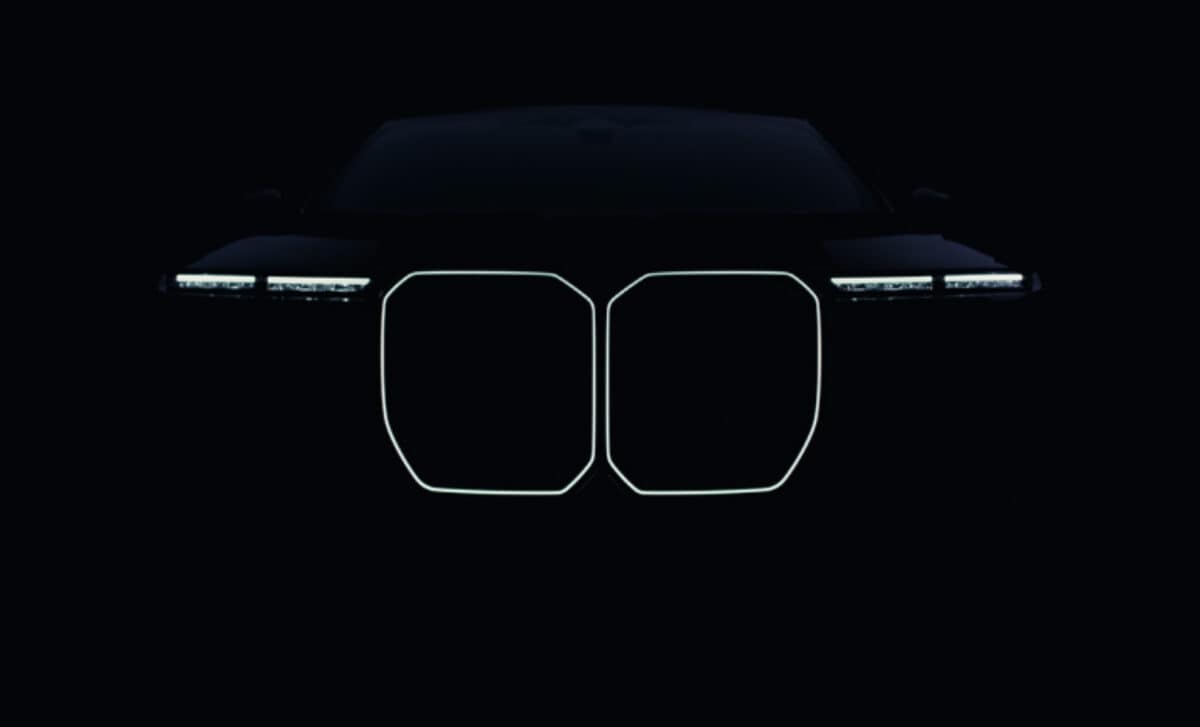
The announcement confirms that the revised i7 will adopt the visual identity of the Neue Klasse models while retaining its current Cluster Architecture (CLAR) platform. This places the model in a transitional position, pairing established underpinnings with updated battery technology developed alongside a specialist in high-performance electric systems.
BMW’s decision highlights a strategic partnership first signed in 2023, positioning the i7 as the first production vehicle to emerge from the collaboration. According to InsideEVs, the model is set to debut on April 22 during simultaneous events in Beijing and New York.
Rimac Brings High-Performance Battery Expertise
BMW’s choice of Rimac Technology reflects a focus on performance-oriented electrification rather than mass-market battery sourcing. Unlike large-scale suppliers such as CATL or BYD, Rimac operates as the electric technology arm of the Rimac Group, known for its work on hypercars and advanced EV components.
The company already supplies battery systems for models like the Porsche 911 GTS T-Hybrid and the Bugatti Tourbillon. According to InsideEVs, Rimac’s specialization lies in high-voltage systems tailored for demanding applications, aligning with the expectations of a flagship sedan like the i7.
BMW’s earlier agreement with Rimac in 2023 laid the groundwork for this collaboration, with the i7 becoming the first tangible outcome of that partnership.
New Battery Architecture Aims at Gains in Range and Charging
The updated i7 will use BMW’s Gen5 module-based technology in combination with Rimac’s Gen6 4695 cylindrical lithium-ion cells. This setup is designed to deliver improvements in energy density, driving range, and charging performance.
Mate Rimac, founder and president of the Rimac Group, stated that the joint development resulted in a high-voltage battery system capable of unlocking the potential of the new cylindrical cells. According to the company’s statement, the system was developed in a short timeframe while still achieving measurable gains in efficiency and performance.
These changes are integrated without altering the vehicle’s underlying platform, which remains based on CLAR rather than a fully software-defined architecture.
Production Split Between Croatia and Germany
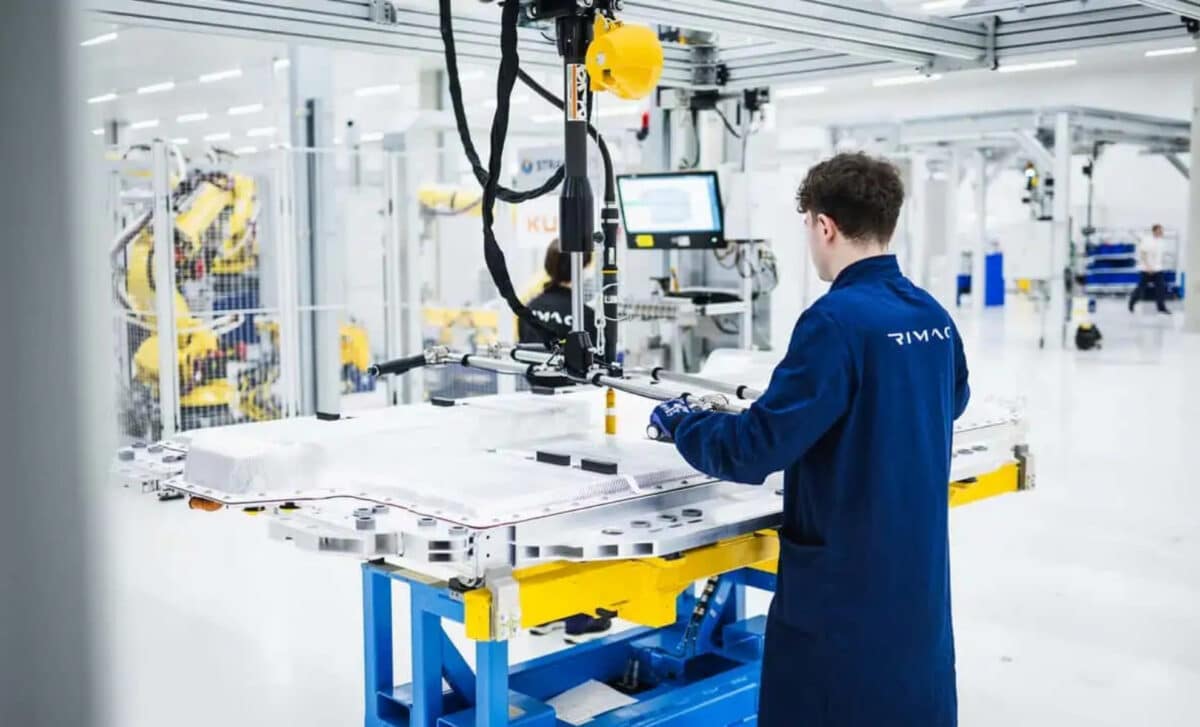
Battery production will be divided between Rimac’s facilities in Zagreb and BMW’s plant in Dingolfing. The cells and packs will first be manufactured at Rimac’s 90,000-square-meter campus in Croatia before being shipped to Germany for final assembly.
Dingolfing will serve as the sole production site for the Neue Klasse i7, consolidating final vehicle manufacturing in one location. This cross-border setup reflects a coordinated supply chain between the two companies.
The upcoming i7 is expected to compete directly with the next-generation Mercedes-Benz S-Class EV, which Mercedes plans to integrate into its core S-Class lineup rather than maintaining a separate electric range.