
The manual gearbox, long a symbol of sporty driving and the connection between the driver and the machine, faces an uncertain future. While some purists continue to defend this option, it is encountering increasing technical and economic challenges.
According to Frank van Meel, demand for this transmission is declining, and suppliers are no longer as motivated to invest in its development. However, while the reality is clear, manual-equipped models have not yet disappeared from BMW’s lineup, and customers can still make this choice, though for how long remains an open question.
The Decline of the Manual Gearbox
Frank van Meel’s message is clear: the future of the manual transmission at BMW M is at risk. In 2024, he had already warned fans of this transmission, advising them to act quickly if they wanted to secure a manual-equipped model.
According to him, the manual gearbox is no longer technically justifiable in an automotive environment where automatic gearboxes, faster and more efficient, have become the preferred option. The situation is further complicated by the declining demand for this transmission, which makes its maintenance economically difficult, reports CarSales.
However, there are still BMW M models with manual gearboxes, such as the M2, M3, M4, and the Z4 in certain special editions. But according to van Meel, this option is expected to disappear in the coming years, as producing new manual gearboxes has become a challenge due to the scarcity of suppliers. For example, the Z4 will bid farewell by the end of 2026. In France, the M2 is currently the last model offering a manual transmission, but this option is also expected to disappear soon.
A Loyal but Shrinking Customer Base
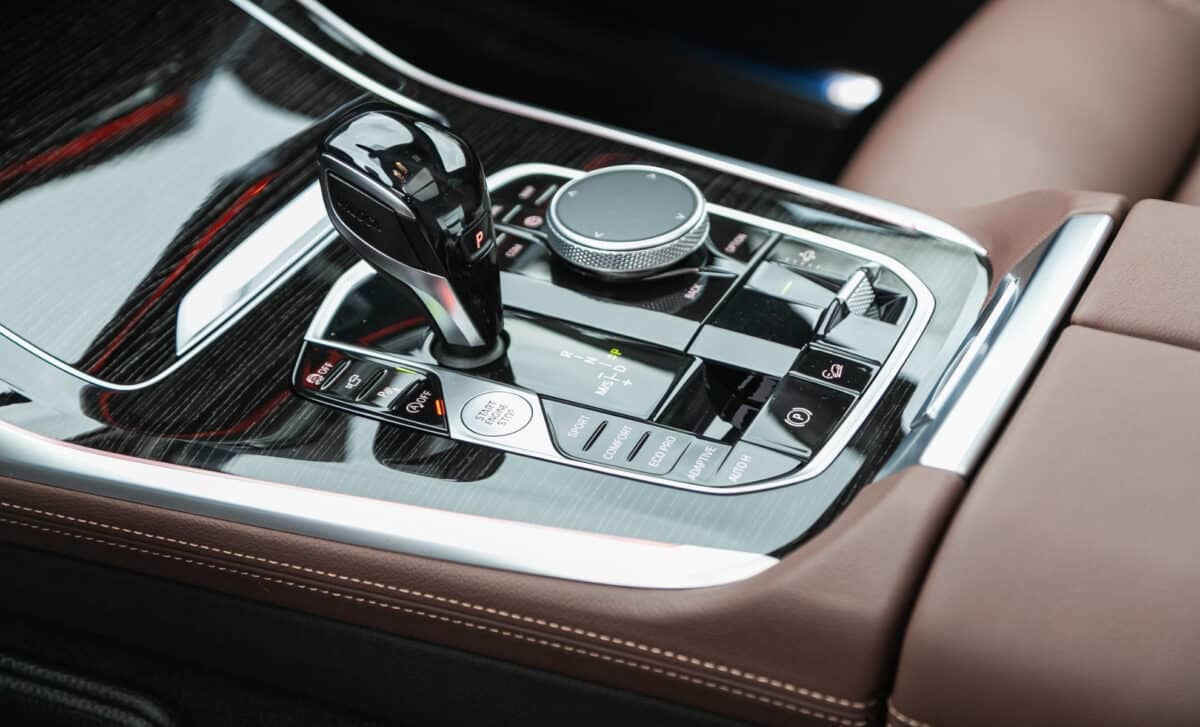
Despite this trend, the manual gearbox still maintains a certain level of popularity, particularly in some markets. In the United States, about 40% of BMW M buyers still choose the manual transmission. This is a significant number, showing that it is not a marginal niche. According to van Meel, this considerable portion of buyers remains loyal to the manual transmission, appreciating the mechanical and direct connection it provides with the vehicle.
However, it is difficult to reconcile this loyalty with economic logic. The automatic gearbox, although faster and more efficient, fails to attract those who seek a more authentic driving experience. Yet for BMW, the priority seems to be economic rationality and technology, which could lead to the eventual disappearance of the manual option. But this shift could also mark the end of what embodies the soul of sporty driving: pure, unfiltered enjoyment.
An Inevitable Technological Shift
The efficiency of the automatic gearbox and the rapid advancement of automotive technologies highlight the need to move toward more modern solutions. Automatic gearboxes are now more performance-oriented, offering better responsiveness and smoother driving, criteria increasingly valued by the majority of buyers. In contrast, the manual transmission appears to be a relic of the past, ill-suited to the current demands of the automotive market.
In this context, BMW M faces a dilemma: how to cater to a customer base that, while loyal, seems to be increasingly marginalized? Manual gearboxes are no longer seen as an advantage in terms of performance, and their development cost has become a difficult investment to justify.