For years, BMW built much of its reputation around rear-wheel-drive dynamics. That changed during the 2010s when the automaker moved most compact models to front-wheel-drive architectures, leaving the 2 Series Coupe as one of the few exceptions. The upcoming i1 marks a return to BMW’s traditional layout for small cars, even as the brand accelerates its electric transition.
The project also reflects BMW’s broader approach to maintaining both combustion-engine and electric lineups simultaneously. While several rivals have focused heavily on EV-only strategies, BMW continues developing parallel model ranges aimed at customers with different preferences.
Bmw’s Future i1 Will Use a Dedicated Electric Platform
According to Autocar, the electric 1 Series successor will ride on a bespoke EV platform rather than a modified combustion-engine architecture. The model is expected to debut in 2028 as the fifth-generation version of BMW’s smallest car.
Motor1 reports that the arrival of the i1 will not replace the current gasoline-powered 1 Series. Instead, BMW plans to keep the existing front-wheel-drive-based combustion model in production alongside the electric hatchback.
The i1 is also described as an indirect successor to the original BMW i3, which was sold between 2013 and 2022. BMW’s decision to launch a compact electric hatchback despite already offering several Mini EVs is tied to the continued popularity of the 1 Series. Nearly 200,000 units of the hatchback were sold worldwide last year, despite the model not being available in North America.
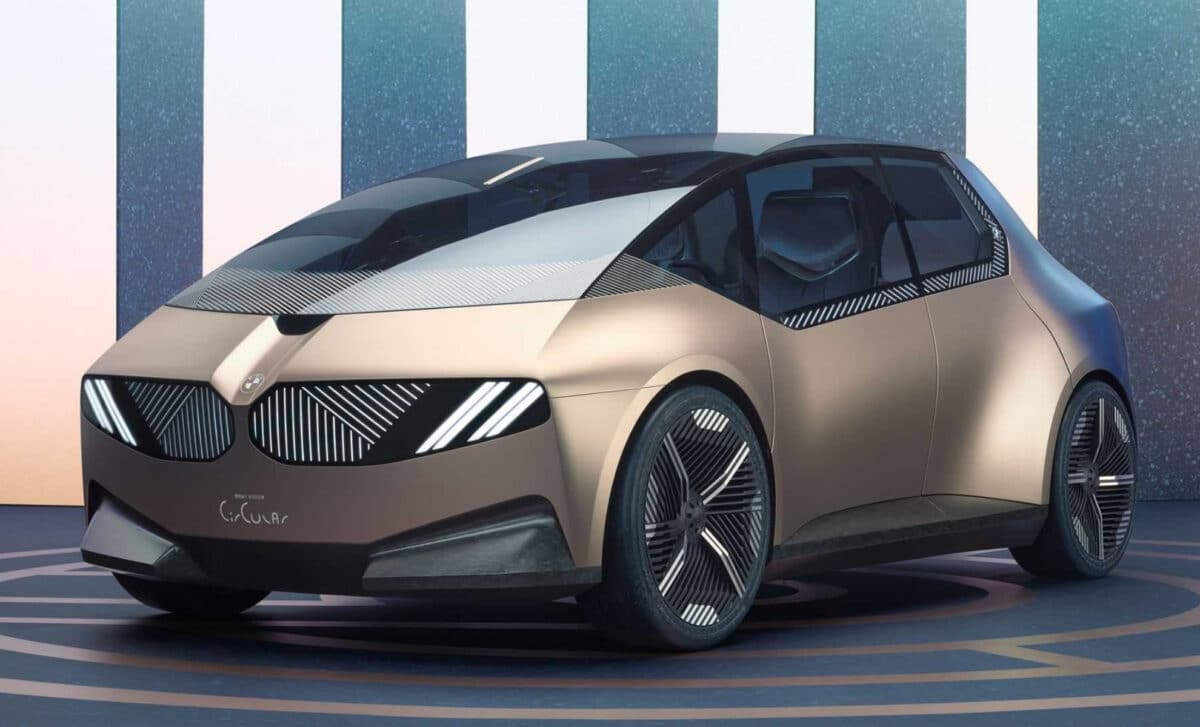
BMW Is Extending Its Neue Klasse Strategy Across Both EVs and ICE Models
The future i1 will adopt BMW’s Neue Klasse design language and technology package. This includes a large central touchscreen and a windshield projection system integrated into the cabin.
BMW is applying this dual-development strategy across multiple model lines. The publication notes that the upcoming electric i3 and combustion-powered 3 Series will share closely related styling and technology despite being built on different platforms.
The same approach is planned for the next-generation X1 and iX1 arriving next year. The recently teased 3 Series Touring and i3 Touring will look “strikingly similar” inside and out even though they use different architectures.
BMW describes this strategy as the “Power of Choice,” allowing buyers to select either combustion engines or electric drivetrains while still receiving the company’s newest technology and design developments.
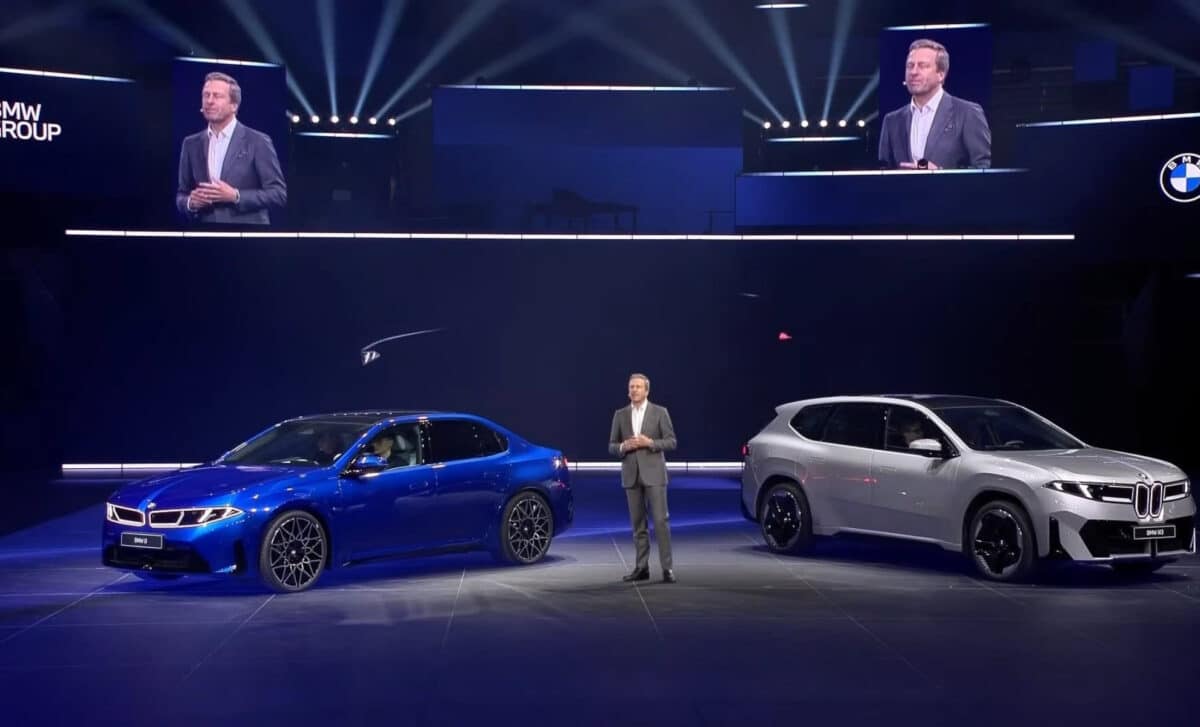
BMW Continues Balancing Combustion Engines and EVs Across Its Lineup
BMW’s product strategy stands apart from some competitors that rapidly shifted toward fully electric ranges. The German manufacturer has continued investing in combustion-engine vehicles while gradually expanding its EV portfolio.
The company’s lineup now spans paired combustion and electric offerings from the 1 Series and i1 up to the 7 Series and i7. Motor1 describes the approach as an effort to “give customers what they want,” whether they prefer traditional engines or battery-electric powertrains.
The report also notes that managing such a broad portfolio represents a logistical challenge for BMW. Still, the automaker appears committed to maintaining this parallel strategy into the next decade as it continues developing both ICE and EV products simultaneously.