BMW has stood apart from several competitors that previously announced strict deadlines to phase out combustion engines before adjusting those plans. The Munich-based manufacturer has repeatedly argued that no single drivetrain solution works worldwide and that gasoline, diesel, hybrid, and electric models must coexist for the foreseeable future.
At the same time, the company is heavily investing in its next generation of electric vehicles. BMW has committed more than €10 billion to the development of the Neue Klasse platform, the largest investment in the company’s history. Although some of that funding supports a new iDrive infotainment system, electric vehicles account for the majority of the spending.
A Gradual but Steady Rise in EV Sales
BMW’s electric vehicle share has grown significantly over the past few years, though it still remains far from the company’s 2030 objective. Data shows that EVs represented 4.1 percent of BMW Group deliveries in 2021.
That figure increased to 9 percent in 2022 and reached 14.7 percent in 2023. Growth continued in the following years, with EVs accounting for 17.4 percent of total sales in 2024 and 17.9 percent in 2025.
BMW describes the 50 percent target as a “strategic goal” covering the group’s three automotive brands: BMW, Mini, and Rolls-Royce. Even so, the company acknowledges uncertainty around the timeline, noting that external market conditions could influence the eventual balance between electric and combustion drivetrains.
Neue Klasse and New EV Models at the Center of the Plan
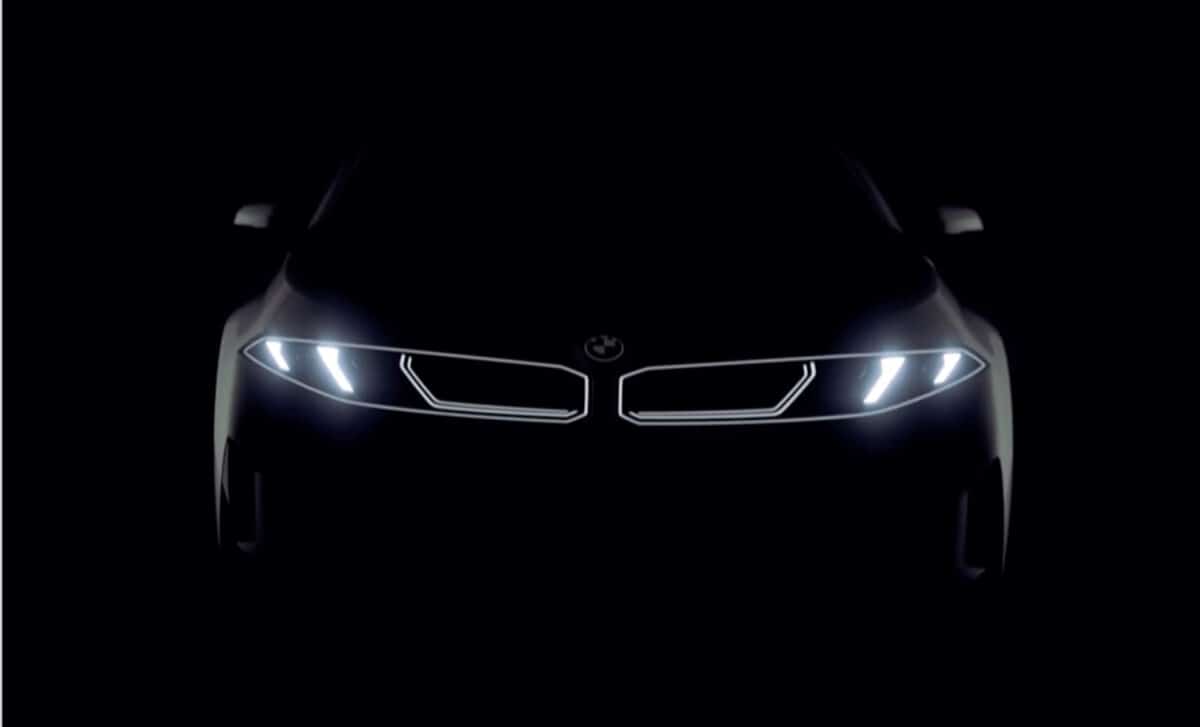
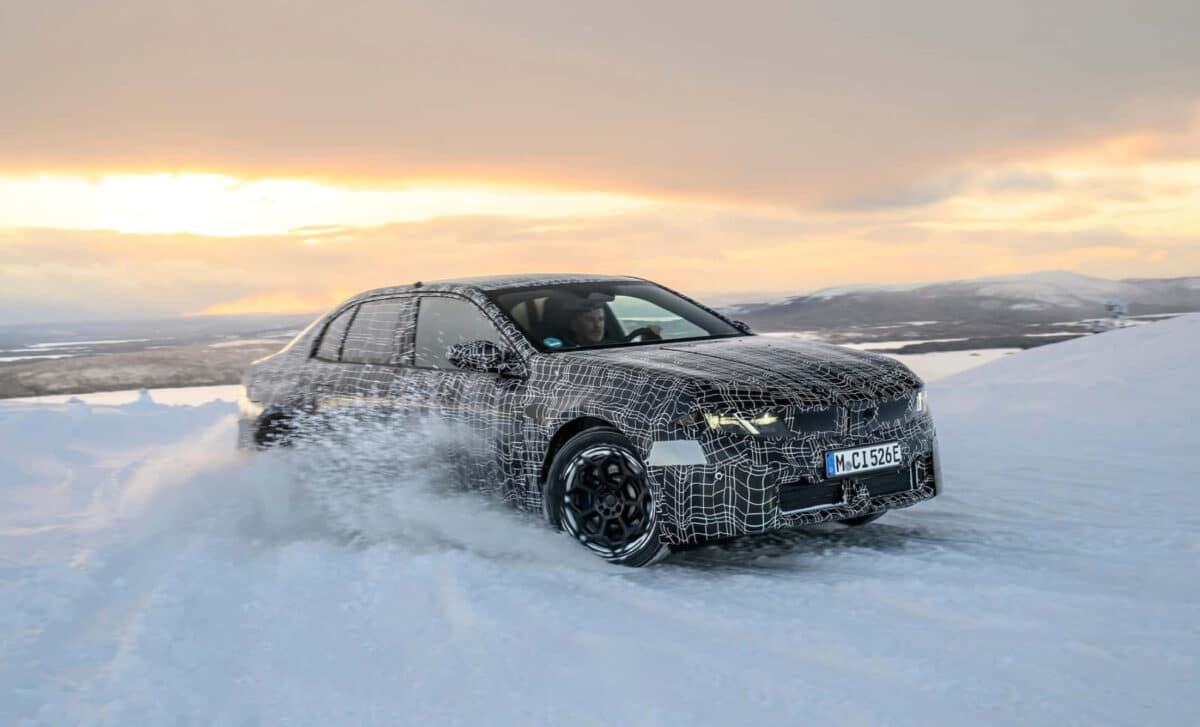
The upcoming Neue Klasse generation of vehicles is expected to play a central role in BMW’s electric expansion. The platform introduces new electric motors and battery technologies and will underpin several future models.
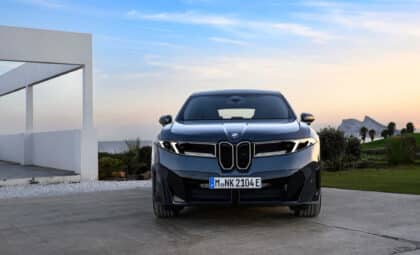
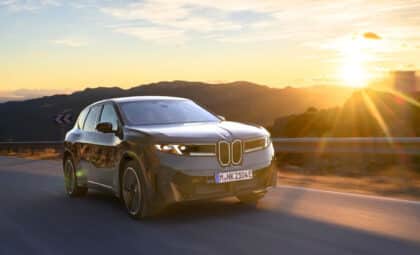
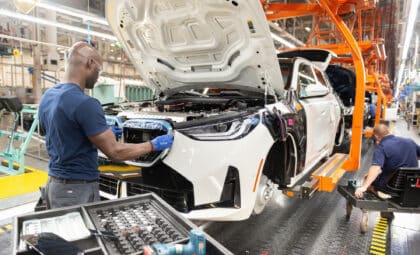
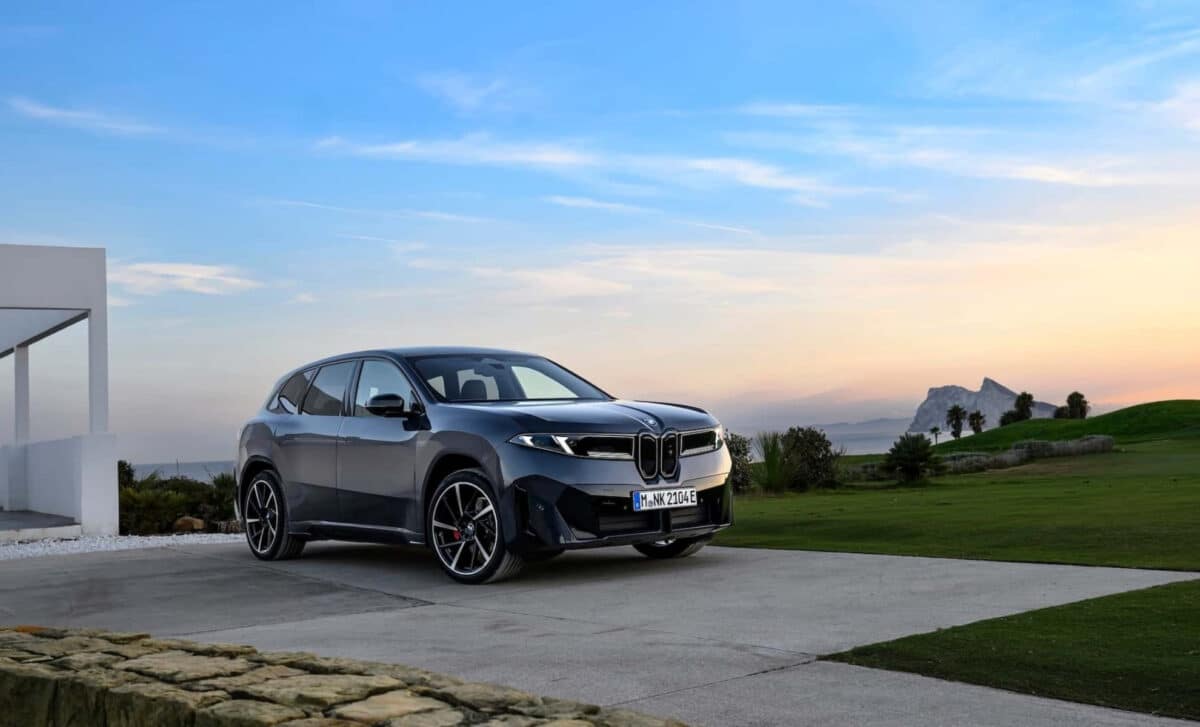
The 2026 iX3 is among the first vehicles to use these developments, alongside production at a new factory in Debrecen, Hungary. BMW is also expanding its network of facilities dedicated to assembling high-voltage batteries.
New models are already being added to the lineup. According to Motor1, the new iX3 accumulated more than 50,000 orders within six months of opening its order books. The launch of that luxury crossover marks the start of a broader rollout that includes the i3 sedan and additional electric SUVs scheduled over the next few years.
Expanding the Electric Lineup Across Segments
BMW’s electric roadmap includes both large SUVs and smaller entry-level vehicles. An iX5 is planned later this year, while a larger iX7 is expected in 2027. The company has also promised to produce at least six electric SUVs at its Spartanburg plant in the United States before the end of the decade. Industry reports also mention the possible arrival of an iX6, as well as a rugged SUV designed to compete with the Mercedes G-Class that could receive an electric variant.
At the lower end of the range, sources close to BMW indicate that more affordable models may be introduced. These could include an i1 hatchback and an i2 sedan before the end of the decade. Existing electric vehicles are also expected to adopt Neue Klasse technology over time, including the current iX1 and Mini’s electric models.
Despite these plans, the global transition to electric vehicles remains uneven. According to Kelley Blue Book estimates, EVs represented only 7.8 percent of total car sales in the United States last year. In Europe, the share of cars without combustion engines reached 19.5 percent, based on data from the European Automobile Manufacturers’ Association.