

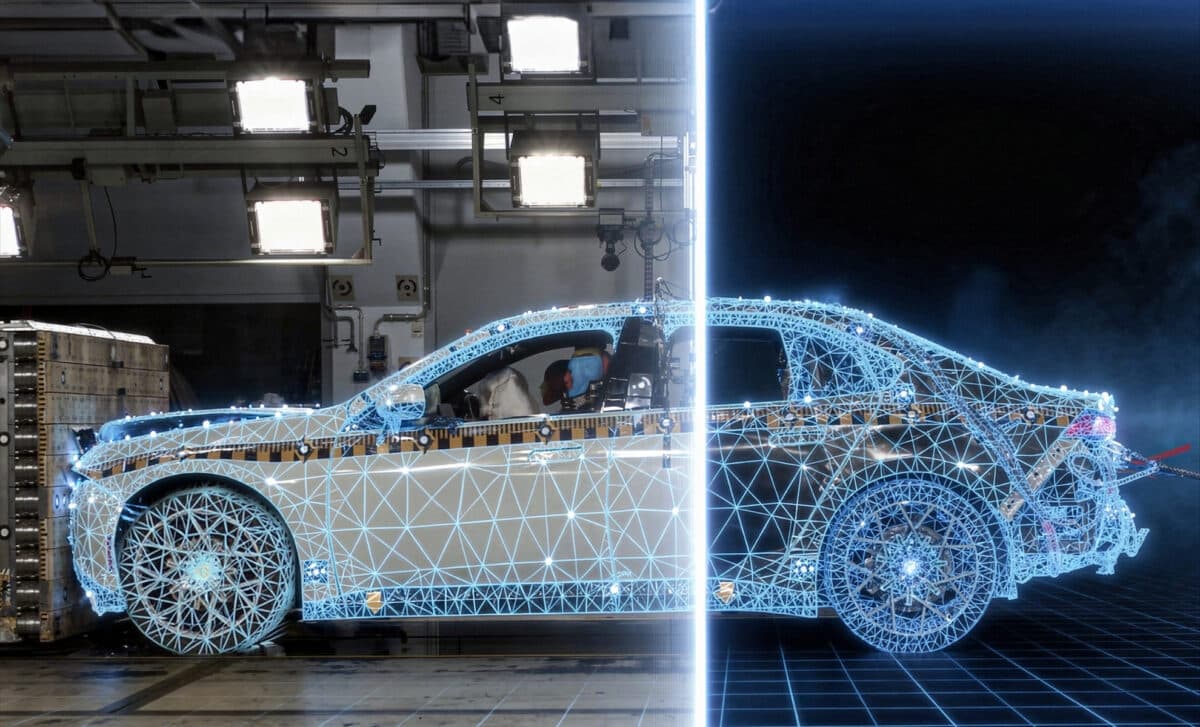
Artificial intelligence is becoming a larger part of automotive development, with major manufacturers integrating AI tools into engineering, software development, and testing. BMW’s latest collaboration reflects that trend, focusing on the use of industry-specific models trained on proprietary data rather than general internet-based information.
The project centers on BMW’s large archive of crash simulation data and its ongoing efforts to streamline vehicle development. BMW conducts thousands of virtual crash simulations every week and has accumulated more than a petabyte of crash-related data over time.
BMW and Mistral AI Join Forces on Engineering-Focused AI
BMW announced that it will work with Mistral AI to enhance complex engineering tasks across its development operations. The collaboration will combine BMW’s engineering datasets with Mistral AI’s model-training capabilities to create what the companies describe as an industrial AI model.
The automaker stated that the objective is to improve the quality, accuracy, and speed of engineering work. According to Carscoops, the partnership is not expected to directly or immediately affect BMW customers, though the company says it will contribute to “value creation.”
The initiative is focused on developing Large Industry Models, AI systems trained specifically on engineering and simulation data generated through vehicle development and safety testing. BMW’s approach is based on using data from its own processes rather than information gathered from the open internet.
More than a Petabyte of Crash Data at the Center of the Project
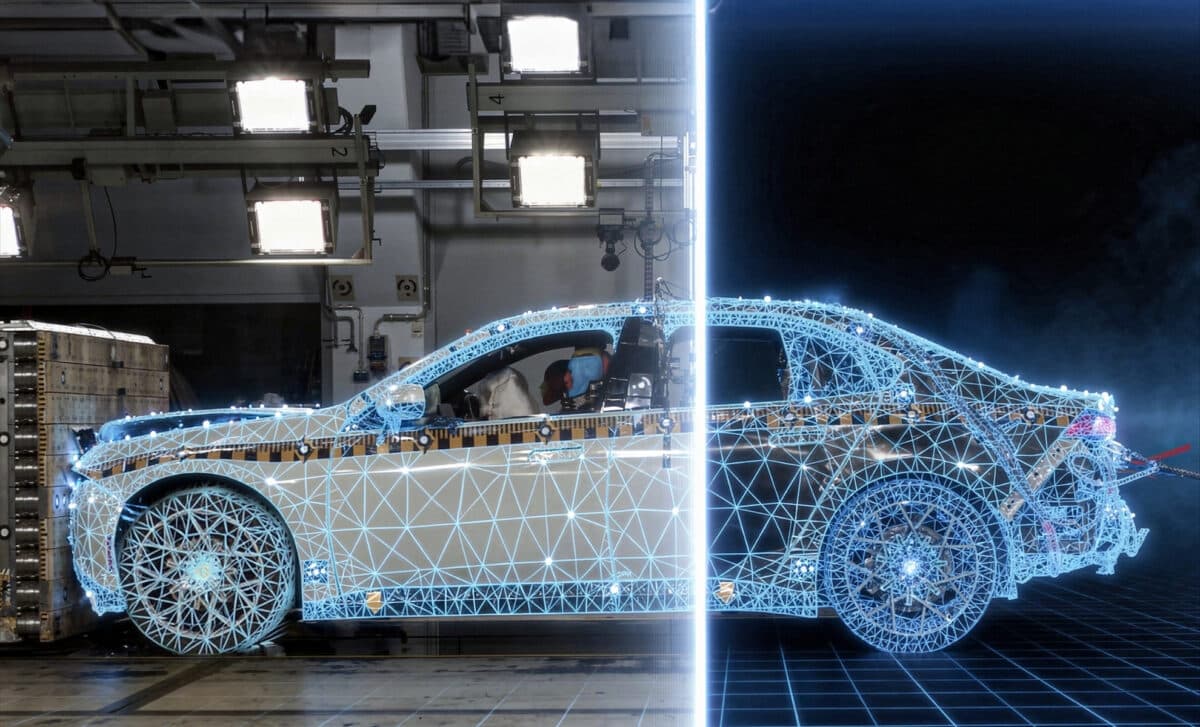
A key element of the partnership is BMW’s extensive archive of crash simulation information. The company runs thousands of virtual crash tests every week and has accumulated more than one petabyte, equivalent to 1,000 terabytes, of crash data.
This database allows engineers to study how specific vehicle structures and materials behave during collisions. It also enables them to evaluate how much individual components contribute to crash outcomes.
BMW says the Large Industry Models are being trained narrowly on this type of engineering and simulation data. The company’s position is that models developed from its own testing and development processes can be more useful for specialized engineering tasks than general-purpose AI systems.
AI Is Also Accelerating Software Development at BMW
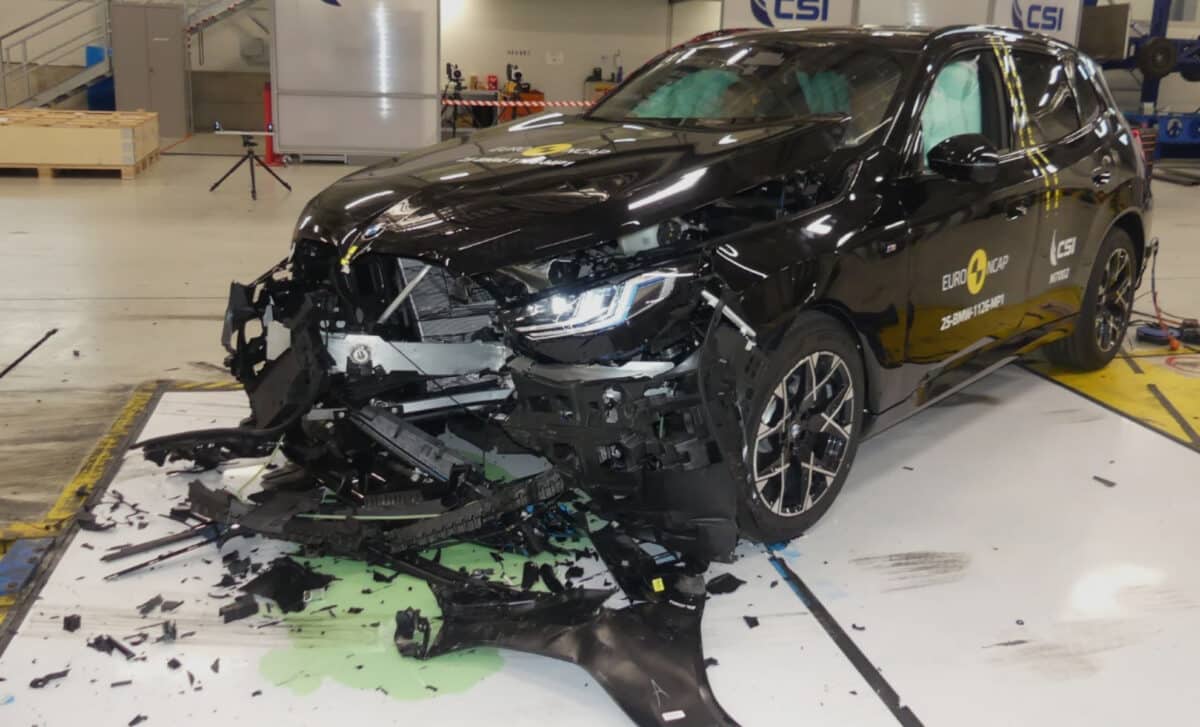
The use of artificial intelligence at BMW extends beyond crash simulations. The company is also applying AI to coding and software development, areas where it says significant time savings have already been achieved.
Tasks that previously required an entire day can now be completed within minutes. BMW development director Joachim Post addressed the impact of AI on the company’s operations last year.
“We’ve needed significantly more manpower in the past,” Post said. “Now we can leverage much greater efficiency potential. And AI is helping us massively in this regard, for example, with coding. We’re gaining incredible speed in software development, and with it, we’re gaining additional speed in the entire development process.”
Mistral AI chief revenue officer Marjorie Janiewicz also commented on the partnership, stating: “As Industrial AI becomes the new frontier for AI, we are proud to partner with the BMW Group. This collaboration shows how industry-specific AI models can help solve complex engineering challenges such as crash simulation.”