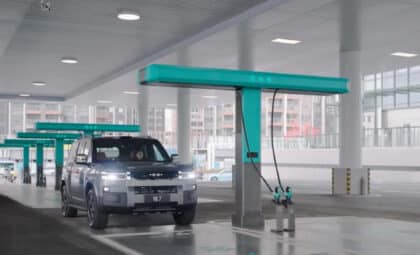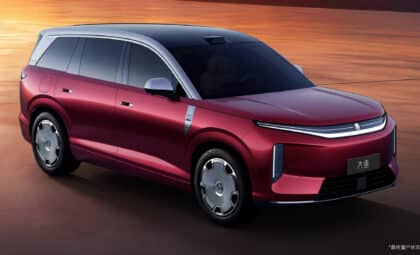
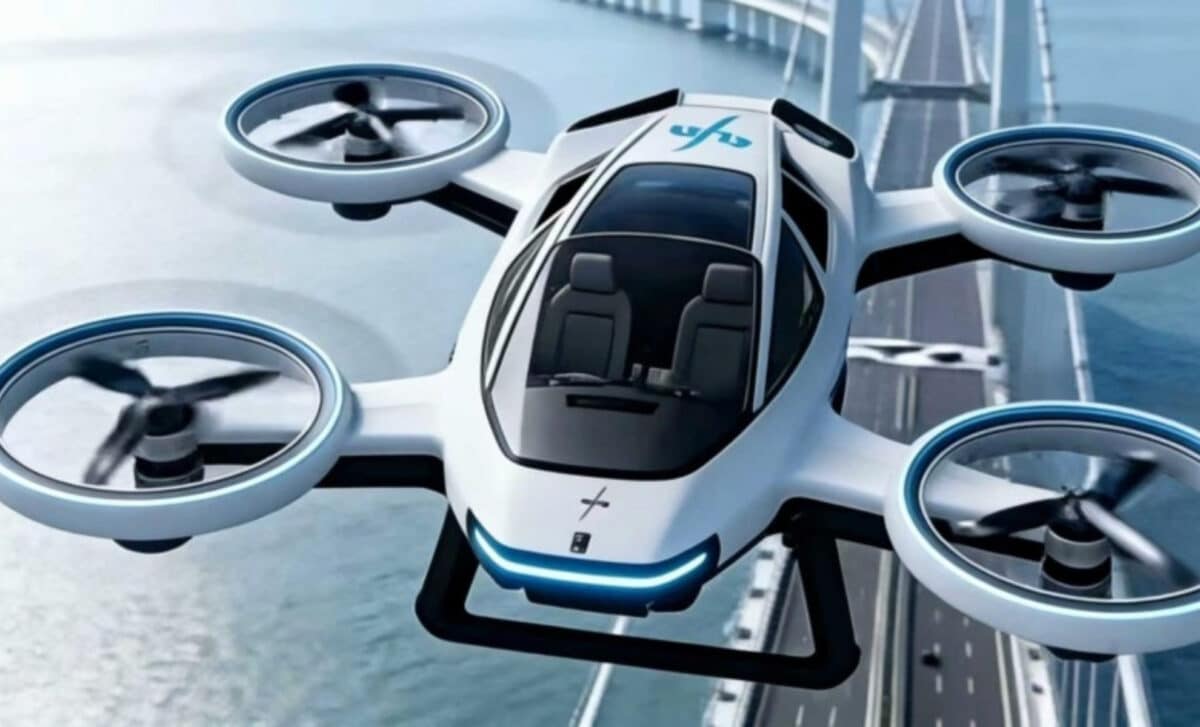
The viral rumor gained momentum after short videos and online posts alleged that BYD was working on a flying vehicle under Yangwang. One video even claimed that the Ufly had completed a test flight of 136 kilometers between Zhuhai and Shenzhen. Others went as far as to suggest that the vehicle had received special certifications to fly in China and had traveled abroad. These posts also described it as using BYD’s proprietary Megawatt Flash Charging system, a claim that helped the story go viral.
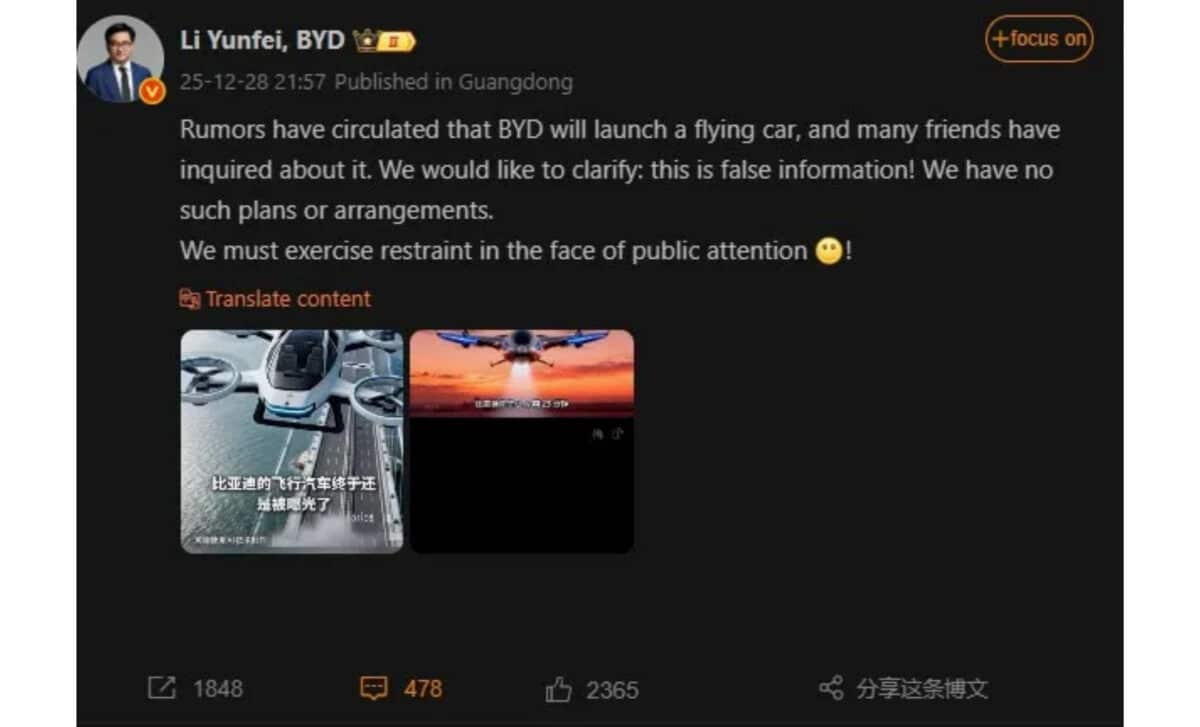
On December 29, BYD’s general manager of public relations, Li Yunfei, publicly addressed the claims on Weibo. “We have no such plans or arrangements,” he wrote, firmly rejecting the rumors. Li called for “restraint” in the face of viral online traffic and clarified that the posts had no connection to any internal plans. The company did not acknowledge any related research or exploratory projects in the field of flying cars.
Public Denial Contrasts With Competitor Ambitions
While BYD shuts the door on aerial vehicles for now, its competitors are heading in a different direction. XPeng, for instance, has publicly announced multiple flying vehicle projects through its subsidiary Aridge. The company is developing two distinct systems: the Land Aircraft Carrier, aimed at individual consumers, and the A868, a hybrid aircraft for longer-range travel.
XPeng stated in November that the Land Aircraft Carrier had already received over 7,000 orders globally and had entered mass production. This marks a significant step forward in the commercialization of personal aerial mobility. Similarly, other Chinese automakers including Geely, Changan, GAC, and FAW are all pursuing development of low-altitude flight vehicles, some of which have already reached the certification phase.
These initiatives reflect a clear trend in the industry toward experimenting with new forms of mobility. Despite this, BYD appears to be maintaining a conservative stance, keeping its focus on land-based electric transportation.
BYD Remains Silent on Future Ambitions
Aside from denying the specific Ufly rumors, BYD did not comment on any possible future work in aerial technology. The company made no mention of related research, partnerships, or pilot projects. BYD’s statement was limited to refuting false information and did not provide any insight into broader strategic direction.
Li Yunfei’s post also came in the wake of a successful defamation lawsuit BYD won earlier in December against influencers accused of spreading similar falsehoods. His statement on Weibo underlined the company’s frustration with misleading online content and its potential to damage reputations. The issue of disinformation has become increasingly sensitive in China’s competitive auto market, where speculation can quickly influence public perception.
Flying Cars Gaining Ground Abroad
While BYD distances itself from airborne ventures, other players across the globe are advancing. Alef Aeronautics, based in California, has begun producing electric flying cars for early customer deliveries. The company recently released footage of its model jumping over a Tesla Cybertruck, capturing widespread attention online.
In addition, Tesla has filed a patent for a “fan car” concept. Although not a flying vehicle per se, the system is designed to improve performance and grip, hinting at future innovations in mobility. Tesla’s unpredictable development path makes it hard to rule out a possible pivot toward aerial vehicles down the line.