
Recalls are issued when safety-related defects are found in vehicles already sold, requiring owners to return them for repairs, usually at no cost. While not all recalls are equally severe, the frequency and scale of these actions provide insight into broader quality control challenges. In many cases, the causes ranged from fire hazards to failing rearview cameras, showing how diverse and recurring the issues have become across brands.
The list, ranks automakers by the number of vehicles affected, not just the quantity of recall campaigns. It also highlights specific problems tied to each brand, adding context to the raw figures and revealing deeper patterns in the automotive sector.
Ford Tops The List With Record-breaking Numbers
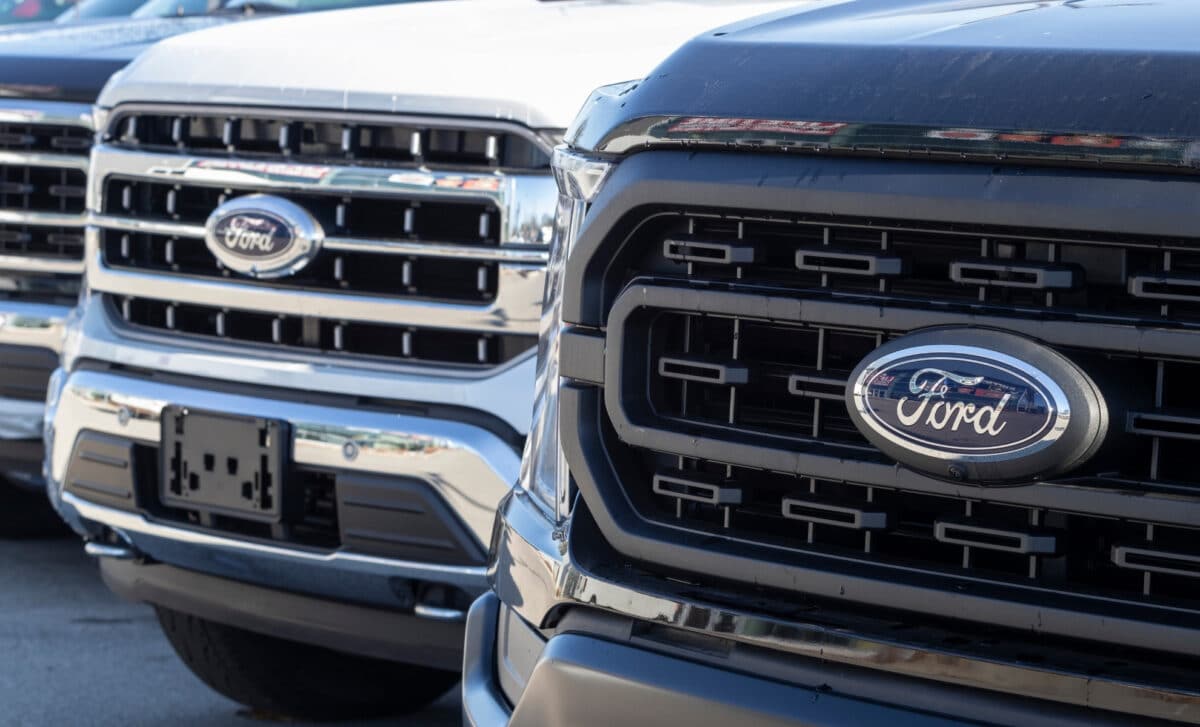
Ford issued 153 separate recalls in 2025, affecting 12.9 million cars, more than four times the second-highest total. Around 4 million of those vehicles were recalled due to faulty backup cameras, a now-frequent issue for the automaker. Other significant problems included cracked fuel injectors posing a fire risk, failing low-pressure fuel pumps, rupturing rear brake hoses, and loose B-pillar door trim on the Ford Explorer, which could fall off while driving.
The fix for the door trim involved removing the piece and reinstalling it using adhesive. The sheer number and variety of issues highlighted the scale of Ford’s reliability challenges in 2025 and suggested large-scale internal difficulties in managing vehicle quality across its lineup.
High Numbers At Toyota, Stellantis, And Honda
Toyota recalled 3.2 million vehicles in 2025 across 15 different campaigns, marking a sharp increase from 1.2 million vehicles the previous year. The issues were mainly considered minor but widespread.
Over a million backup cameras were recalled due to image blackouts, nearly 600,000 instrument panels risked failure, and 440,000 Tundra reverse lights were prone to malfunctioning from moisture intrusion. While Toyota’s recalls were not tied to severe fire or mechanical risks, the number of affected vehicles added up quickly.
Stellantis, which includes Jeep, Ram, Dodge, Chrysler, Fiat, and Alfa Romeo, recalled 2,776,952 vehicles in 2025 over 53 recall campaigns. Ten of those campaigns affected more than 100,000 vehicles each. Its most widespread issue involved 320,000 Jeep Wrangler 4xe and Grand Cherokee 4xe plug-in hybrids with batteries that could fail and cause a fire. While Stellantis’ recall total was down from 4.8 million vehicles and 72 issues in 2024, it still ranked among the top three automakers for both vehicles and campaigns.
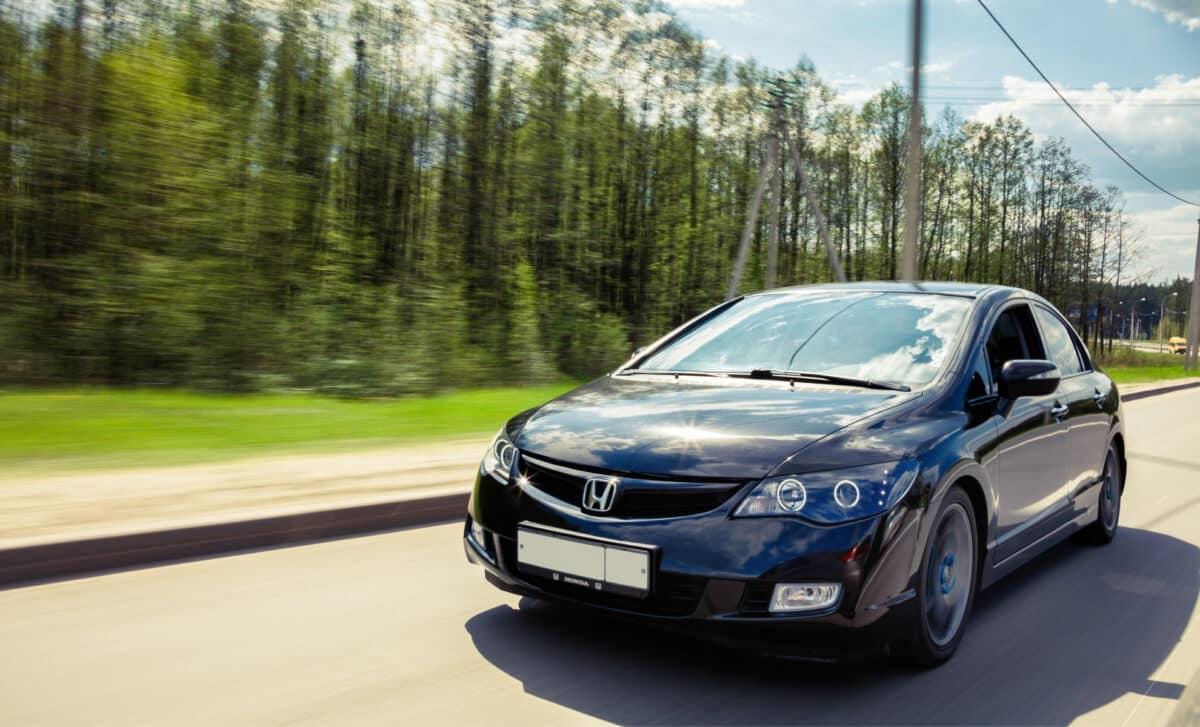
Honda recalled 1,560,813 cars in 2025 over 21 issues, down significantly from 3.7 million in 2024 and 6.3 million in 2023, signaling a notable trend of improvement. Still, the most prominent defect was serious: over 400,000 Honda Civics from 2016 to 2021 were recalled due to 18-inch wheels that could fall off because of a manufacturing error. This issue stood out as both widespread and mechanically dangerous.
Recalls Just Under One Million At Hyundai, GM, And Kia
Hyundai recalled 1,078,212 vehicles in 2025 across 21 campaigns, a slight drop from 1.1 million in 2024. Over half of the recalls affected 2020–2025 Palisade SUVs with seat belt buckles that may fail to latch. A temporary customer instruction advised owners to “insert the belt firmly into the buckle with a quick and direct motion” until proper repairs could be carried out.
General Motors issued 27 recalls in 2025, affecting 998,260 vehicles. The majority of the total stemmed from a major issue with the 6.2-liter L87 V8 engine, which impacted nearly 600,000 vehicles, including the Chevrolet Silverado, Suburban, Tahoe, GMC Sierra, Yukon, and Cadillac Escalade. These vehicles had connecting rod or crankshaft defects that could lead to catastrophic engine failure.
Kia recalled 982,346 vehicles in 2025 across 13 issues, down from 1.2 million in 2024. The largest single problem involved 250,000 K5 sedans from 2021 to 2024, where check valves could allow air into the fuel tank, causing it to expand, melt, and potentially ignite. This was one of several fire-related risks among top-10 automakers.
Progress At Tesla, Problems Persist At VW And BMW
Tesla recalled 745,075 vehicles in 2025, down dramatically from over 5 million in 2024. The electric automaker launched 11 recalls throughout the year, with the largest involving 376,000 Model 3 and Model Y vehicles that could lose power steering. Another 239,000 vehicles were recalled for rearview cameras with circuit board failures that could prevent image display.
Volkswagen Group recalled 663,663 vehicles in 2025 across 25 campaigns, a notable drop from just over 1 million in 2024. The most significant issues involved loose engine covers in Atlas and Atlas Cross Sport SUVs that could melt and cause fire, and distorted rearview camera images, both of which affected more than 170,000 vehicles each.
BMW closed the top 10 with 508,338 vehicles recalled in 2025, down from 1.8 million in 2024. The brand issued 21 recalls, with the most widespread fault impacting nearly 200,000 vehicles. These cars had engine starters that could corrode, overheat, and ignite. Despite the drop in total volume, this fire-related issue remained serious.