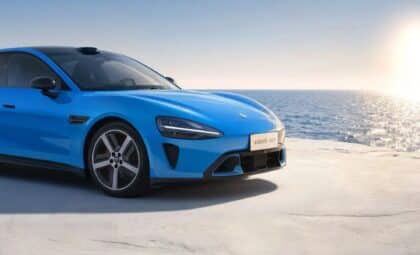


Some vehicles seem to fade out early, their dashboards lighting up like Christmas trees before hitting 150,000 kilometers. Others just keep rolling, year after year, well beyond what most would expect. What separates these two fates?
In the U.S., where cars rack up serious mileage and the secondhand market is a major part of automotive culture, a platform called iSeeCars tried to answer that question, not with opinions, but with data. 174 million vehicles, to be exact.
Japanese Manufacturers Dominate, Again
The latest 2025 edition of the iSeeCars study paints a familiar picture for those who’ve been following automotive longevity statistics in recent years. The top nine vehicles in terms of lifespan are all made by Toyota or its luxury arm, Lexus. This isn’t a fluke or a one-year anomaly: the trend has actually grown stronger since the 2024 report.
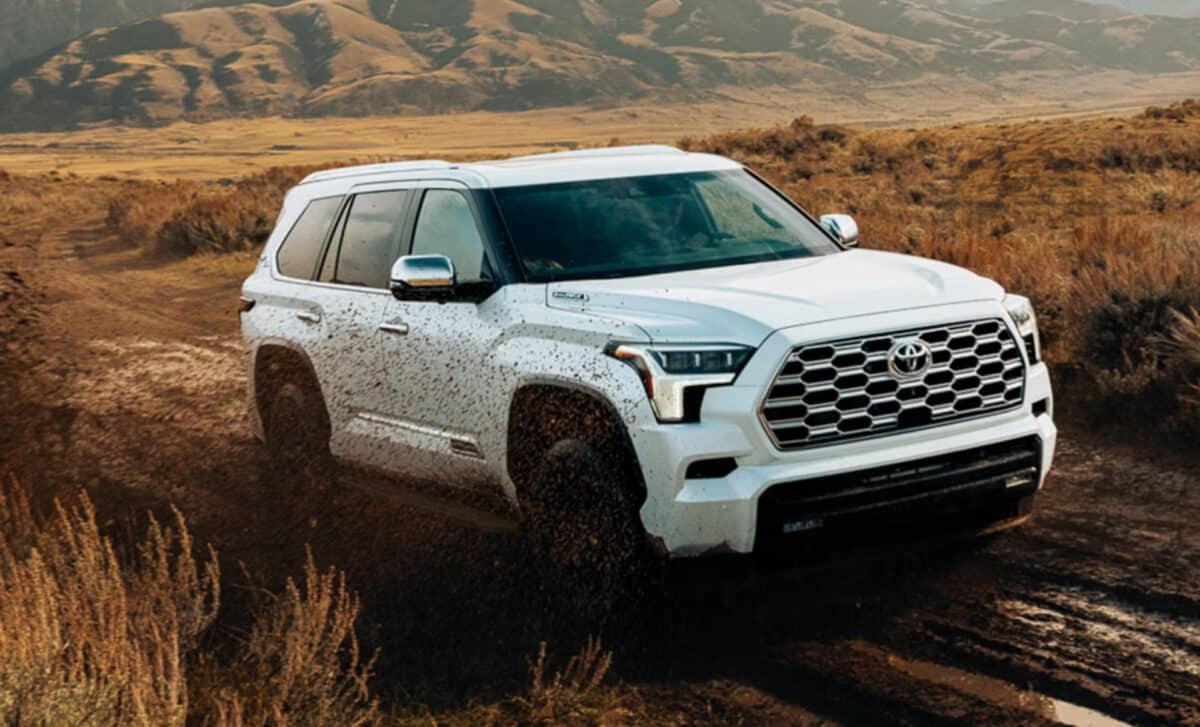
At the very top of the list is the Toyota Sequoia, a large SUV sold primarily in North America, which shows a staggering 39.1% likelihood of reaching the 250,000-mile mark. That’s compared to a market average of just 4.8%. Following closely are the Toyota 4Runner (32.9%) and the Highlander Hybrid, a vehicle that also demonstrates that hybrid technology doesn’t necessarily compromise long-term durability.
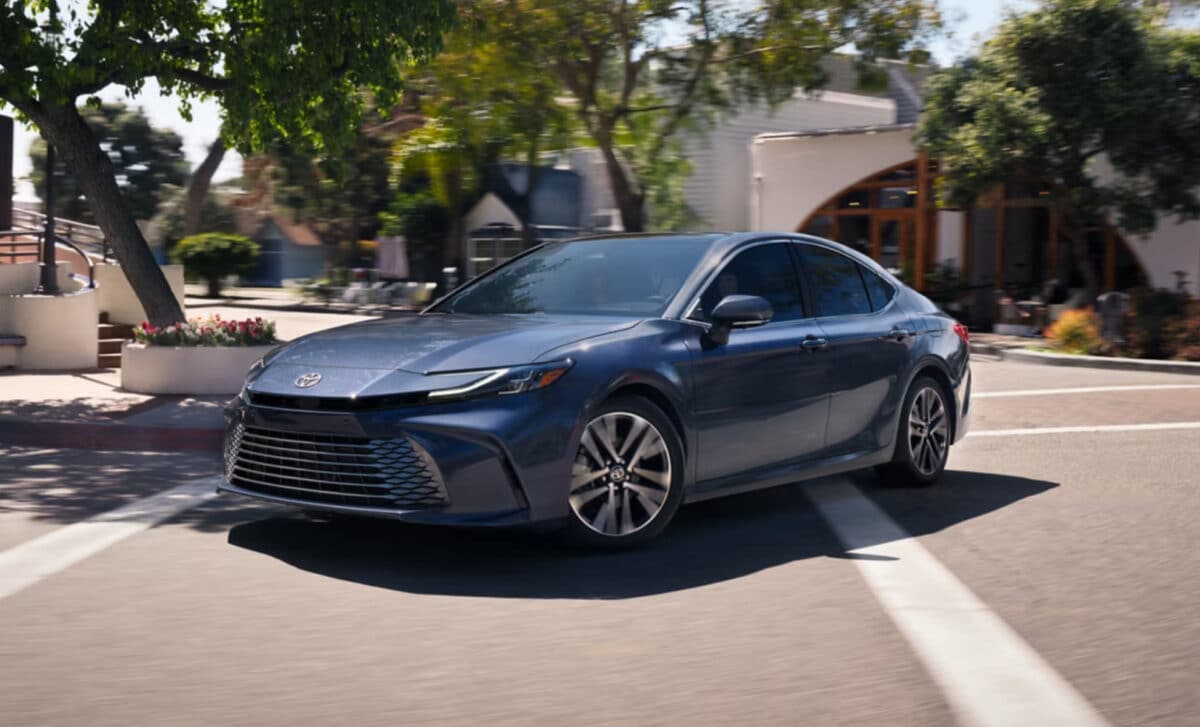
Further down the list, models like the Toyota Tundra, Camry, Prius, and Honda CR-V also show impressive numbers. The Honda Ridgeline ranks tenth, the first non-Toyota entry, but it too hails from a Japanese manufacturer.
What Makes These Cars Last?
Of course, raw statistics tell only part of the story. Several factors seem to contribute to this longevity. One key explanation lies in the engineering philosophy behind these brands. Japanese carmakers, especially Toyota, have built reputations around reliability over novelty, often favoring proven engine designs and gradual updates rather than flashy overhauls.
This approach stands in contrast to some European strategies, which often prioritize innovation and performance, sometimes at the expense of long-term mechanical simplicity. That’s not to say European vehicles can’t be durable, but as iSeeCars data shows, they rarely appear at the top of longevity charts based on current second-hand market evidence.
Why Don’t German Brands Appear?
One question naturally arises from the absence of German manufacturers in the top 25: are they really less reliable, or is something else going on?
Some would argue it’s a matter of market and usage context. The iSeeCars data is US-focused, where large SUVs and pickups are common, and where driving distances are often much greater than in Europe. Many top-ranking models aren’t even sold in Europe, the Toyota Sequoia and 4Runner, for example, are not available in Germany.
A letter from a former Volkswagen Group service advisor, published by PC Welt, defended German cars by highlighting old models like the VW Jetta (1981) or the Mercedes W123 reaching over 400,000 km. But as PC Welt noted, these examples date from a different era, featuring simpler engines with fewer emissions controls and less electronic complexity, conditions that no longer apply in today’s tightly regulated automotive environment.
Big Data Versus Personal Anecdotes
One of the strengths of the iSeeCars study is its scale. Unlike anecdotal evidence or isolated testimonials, the ranking is based on the actual mileage of millions of cars offered for resale. It captures what’s really happening in the used vehicle market, not just what one driver or mechanic has experienced.
According to iSeeCars, the data covers vehicles still on the road today, including hybrids and newer models. In other words, this isn’t about nostalgia or mythologizing the past. It’s about which vehicles, right now, have the best statistical chance of going the distance.