
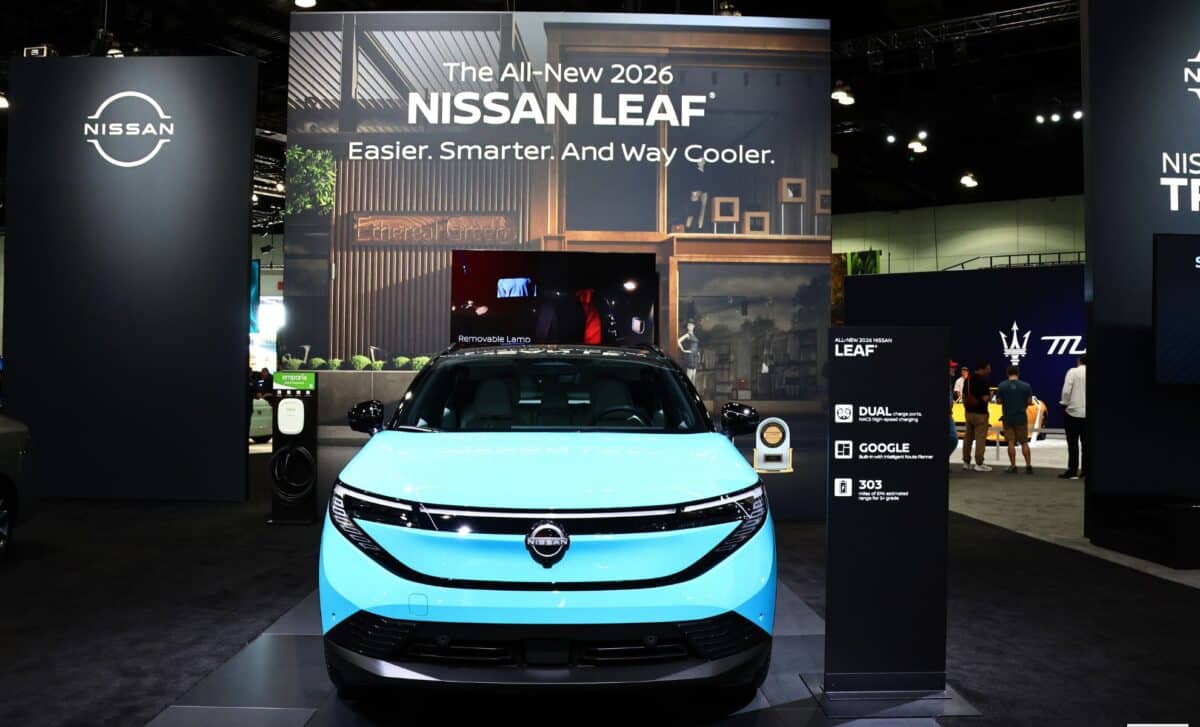
In 2011, Nissan helped introduce electric vehicles to the mainstream with the launch of the LEAF, marking a pivotal moment in the push for sustainable transportation. Fast forward to 2026, and the EV market has expanded significantly, with over 28 mass-market electric cars now available to U.S. consumers.
The affordability of newer models is a key driving factor behind this growth. As the price of a typical passenger vehicle in the U.S. now exceeds $49,000, the availability of electric vehicles priced under $30,000 is offering consumers a viable and cost-effective alternative. The shift in pricing has set the stage for a more competitive and diverse EV market.
The Growth Of The Electric Vehicle Market
Electric vehicles are experiencing robust growth, driven by a combination of expanding consumer interest, more model choices, and falling prices. In 2025, U.S. sales of light-duty EVs reached 1.2 million in the first three quarters alone, setting new records for the period. Market share for EVs neared 12% by the third quarter of 2025, a notable increase from previous years.
This trend reflects a broader shift in consumer behavior: once considered a niche, EVs are now gaining ground as a mainstream option. According to the latest data, over 7 million EVs have been sold in the U.S. since 2015, with more than half of those sales occurring in the past three years.
However, it’s not just the number of vehicles sold that’s notable, but the pace at which the market is expanding. While sales growth in the EV sector has been consistent, some legacy automakers are seeing impressive year-over-year gains, with Volkswagen’s growth approaching 140%, General Motors exceeding 100%, and Hyundai reporting a 45% rise in sales.
The demand for EVs is not only increasing rapidly but is also showing no signs of plateauing. In fact, the growing number of available models has helped boost adoption significantly, especially among buyers looking for options that align with their preferences.
Affordability As A Driving Factor
One of the most important changes in the electric vehicle market in recent years is the growing affordability of EVs. While high-end models remain expensive, many newer EVs are priced to be competitive with traditional gasoline-powered vehicles.
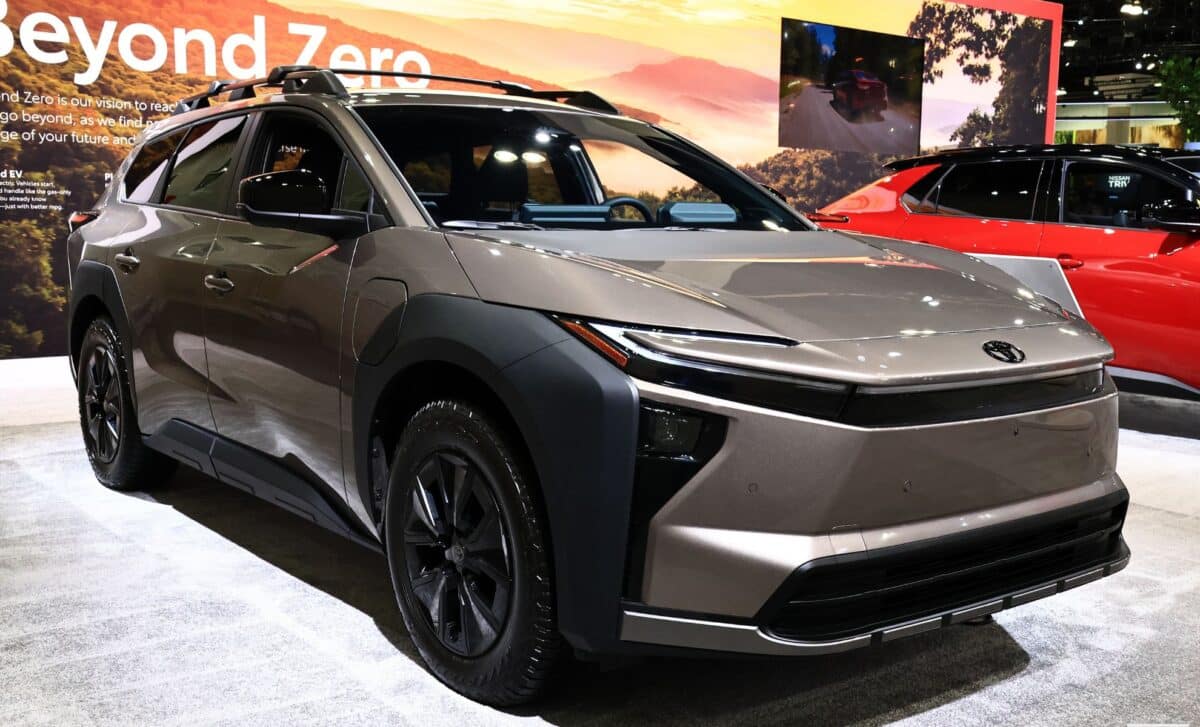
Some of the most popular EVs, such as the Chevrolet Equinox EV and Toyota bZ, are now available for under $30,000, with the Chevrolet Bolt standing out as the least expensive at $27,600. According to Plug In America’s Electric Vehicle Guide, this represents a significant shift, as the average price of a new passenger vehicle in the U.S. has surpassed $49,000, making the lower price points of these EVs all the more attractive.
This affordability is key to expanding the reach of EVs beyond early adopters. Around 68% of all battery electric vehicle sales through September 2025 were from models priced below $50,000. As prices continue to decrease, it’s clear that cost is no longer a barrier to entry for many consumers.
Additionally, as more models enter the market, buyers now have a wider range of choices, from affordable compact cars to larger SUVs and even pickups. The diversity of options is helping to reshape the EV market, making electric vehicles accessible to a broader audience.
Challenges And Hesitations Among Automakers
Despite the market’s promising growth, several American automakers have slowed their EV initiatives in recent years. While the demand for electric vehicles is on the rise, these companies have expressed concerns about the high costs of production and the uncertainty of government regulations. Some manufacturers have delayed new model launches, scaled back their investment, or adjusted their production timelines, citing the complexity of transitioning to electric vehicles and the financial risks involved.
These hesitations contrast sharply with the actions of global competitors, particularly in Europe, China, and South Korea, who have continued to invest heavily in EV technology. According to Torque News, the delay in the U.S. could lead to missed opportunities as other countries’ automakers continue to ramp up their production of electric vehicles. As the market matures, those who fail to adapt quickly could find themselves at a disadvantage.
At the same time, states like California and Colorado have stepped up their efforts to support the EV market, offering rebates and incentives to encourage adoption. However, with federal tax credits decreasing, it remains to be seen whether these state-level initiatives will be enough to sustain the momentum for electric vehicles.