
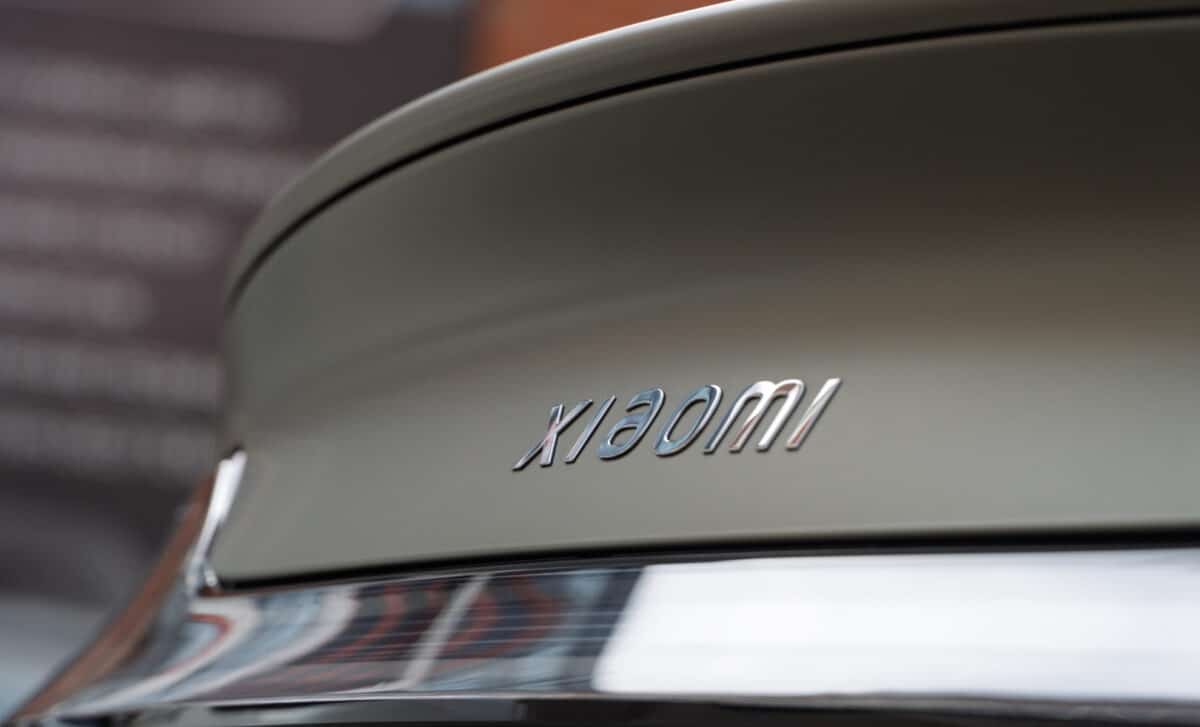
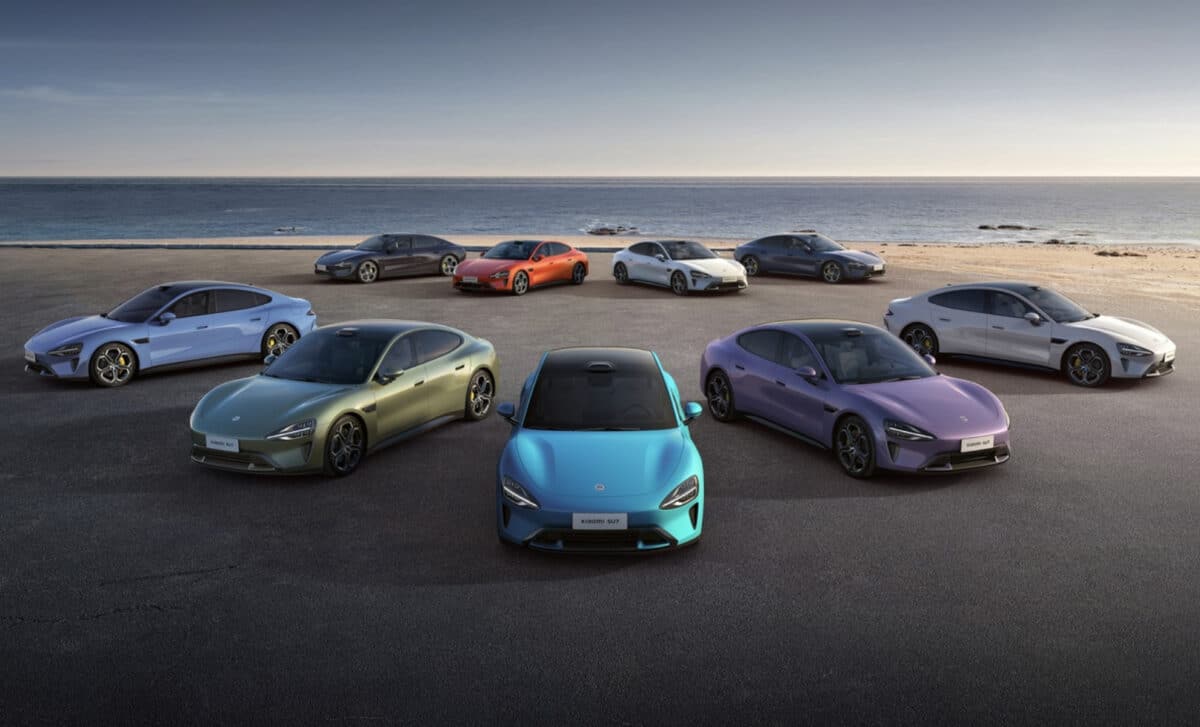
For the first time since Tesla began manufacturing in Shanghai, a local competitor has managed to dethrone the Model 3 from its longstanding position atop the premium electric sedan segment. According to the China Passenger Car Association, Xiaomi delivered 258,164 units of the SU7 in 2025, surpassing Tesla’s 200,361 Model 3 deliveries.This turning point doesn’t just represent a sales milestone, it signals a deeper shift in consumer behavior, brand perception, and industrial momentum inside China’s electric vehicle landscape.
Tesla’s status as the gold standard in the premium EV category had survived intense competition for years. Efforts by rival Chinese brands such as Nio, Xpeng, and IM Motors hadn’t succeeded in toppling the American carmaker, until now. Xiaomi’s rapid breakthrough, achieved less than a year after the SU7’s market debut in April 2024, underlines not only strategic pricing and smart integration, but also the maturity of Chinese consumer trust in homegrown brands.
Pricing Edge and Range Advantage
The SU7 was launched with a pricing structure roughly nine percent lower than the entry-level tesla model 3, making it an appealing option for budget-conscious buyers in a price-sensitive market. While pricing certainly influenced buyer choice, it wasn’t the only factor that shifted momentum.
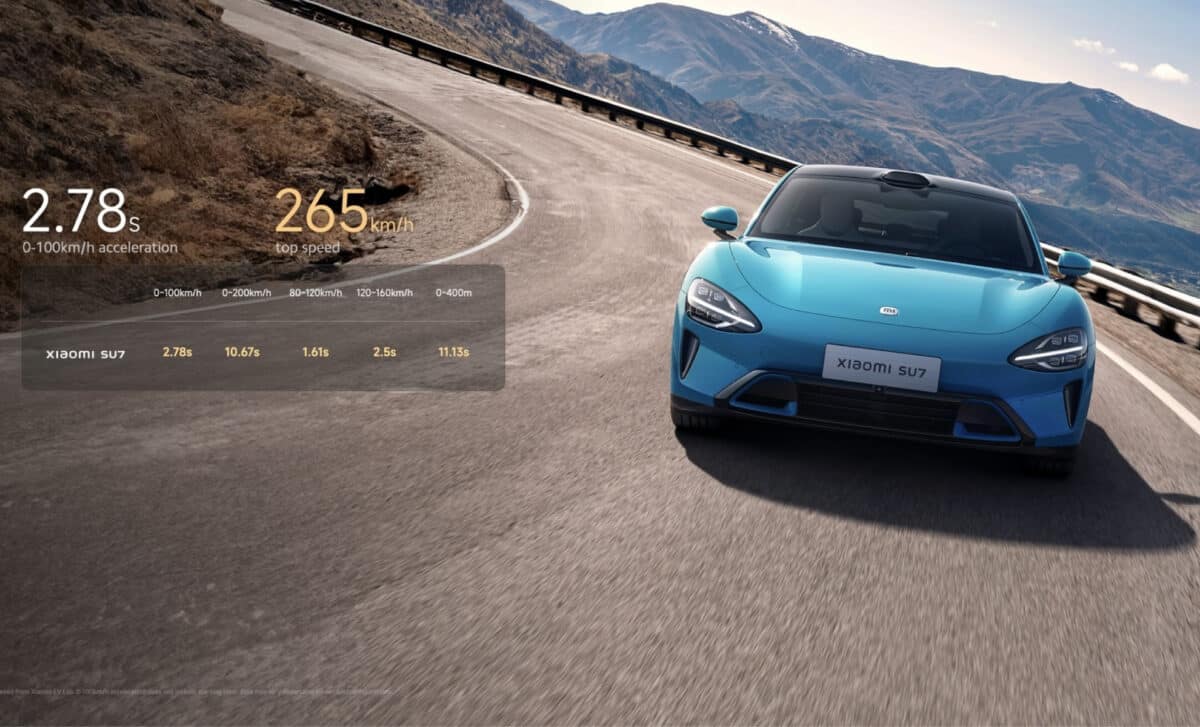
The SU7’s 700km CLTC range outperforms the Model 3’s 606km, a difference that carries substantial weight in real-world decision-making, especially for users concerned with daily commutes and long-distance travel. In a market where technical specifications often dictate the perceived value of a vehicle, Xiaomi’s superior range specification helped the SU7 stand out quickly.
Ecosystem Familiarity and Tech Integration
Xiaomi leaned heavily into its technological roots, integrating its proprietary HyperOS software across the SU7’s interface and user experience. The vehicle arrives pre-equipped with software and driver-assistance features, many of which are typically paywalled or reserved for upgrades in Tesla’s ecosystem. This seamless integration attracted the existing Xiaomi user base, many of whom already navigate life within the company’s broad tech environment.
This continuity between Xiaomi’s phones and its vehicle offering helped customers feel like the SU7 wasn’t a risky jump into unknown territory. Instead, it extended an already familiar digital experience into a new format: personal transportation. This cohesion proved particularly effective in reducing friction for first-time EV buyers.
Production Scalability and Market Timing
Xiaomi’s ability to scale production rapidly after launch played a major role in maintaining strong early momentum. The company successfully avoided the long delivery delays that often plague new car models, an issue that can significantly cool consumer excitement and curb early adoption.
Meanwhile, Tesla’s grip on the premium EV segment has weakened. Its Chinese rivals are now capable of matching Tesla’s technological standards while offering competitive pricing. Eric Han, a senior manager at Shanghai-based consultancy Suolei, pointed out that Xiaomi’s win is a symbolic boost for Chinese carmakers as they move “up the value chain” and begin to compete on execution, not just affordability.