Stellantis is expanding discussions around how to use its industrial footprint to support electric vehicle production beyond its existing brand portfolio. The automaker, which owns more than a dozen brands, already controls a majority stake in a joint venture with Chinese manufacturer Leapmotor.
The move would not represent a new manufacturing model for the group. Stellantis already assembles Leapmotor vehicles in Europe and continues to pursue partnerships with other carmakers as it looks for additional production opportunities.
Stellantis Sees Room for Leapmotor in Mexico and Possibly Canada
According to InsideEVs, Stellantis CEO Antonio Filosa said the company is actively evaluating opportunities to manufacture and sell Leapmotor-branded electric vehicles in parts of North America.
Speaking from Stellantis’ North American headquarters near Detroit and quoted by CNBC, Filosa stated: “I believe that there is space in Mexico. There is, maybe, space in Canada. We’ll see.”
At the same time, the company drew a clear distinction regarding the U.S. market. Filosa added: “Now there is no space in the United States. We don’t see that.”
Leapmotor already has a limited presence in Mexico. The vehicles available there were originally expected to arrive from China, although local assembly could become an option if Stellantis assigns production to one of its regional plants.
Existing European Operations Provide a Manufacturing Reference
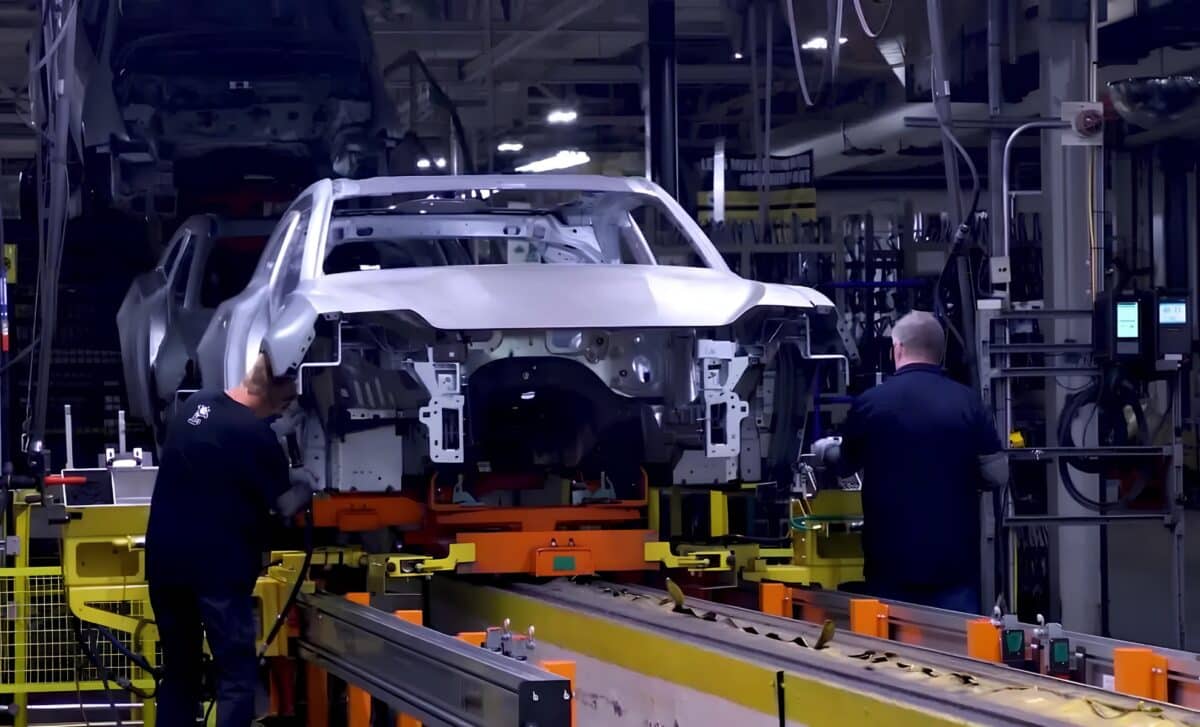
Stellantis already has experience producing vehicles developed by Chinese partners outside China. The company currently uses one of its factories in Spain to assemble Leapmotor vehicles. Stellantis is also in talks with Chinese automaker Dongfeng to manufacture higher-end Voyah models in France.
The company has experience building vehicles through partially assembled formats and knock-down kits, an approach that allows production to be localized while relying on shared industrial resources.
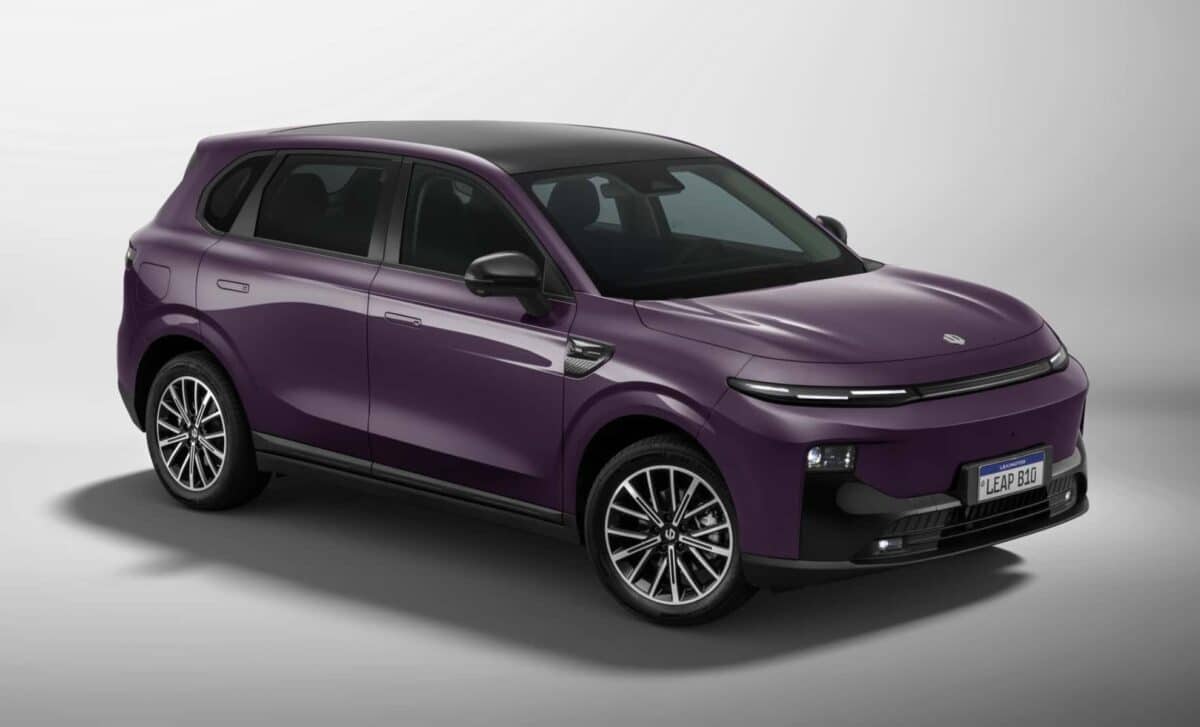
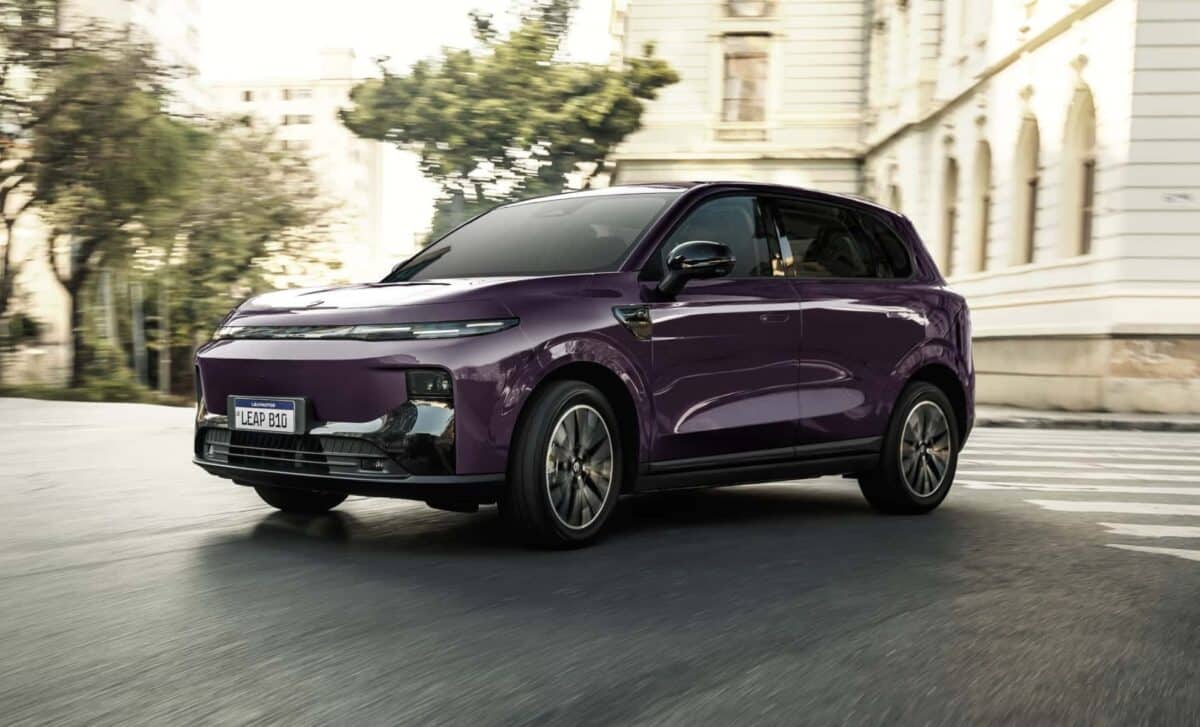
One example mentioned in the report is the Leapmotor B10, a compact electric crossover equipped with a 67.1 kWh battery. In Europe, the model starts at approximately €30,000, or about $35,000.
Canada’s Market Conditions and an Idle Plant Add Another Option
Canada has not yet become a market for Leapmotor, though the conditions described in the report place the country among Stellantis’ areas of interest. Canada currently allows up to 49,000 Chinese-made electric vehicle imports per year under a reduced tariff rate of 6.1%.
The country also hosts a Stellantis facility in Brompton, Toronto, which has remained inactive since the end of 2023 after production ended for the previous-generation Dodge Charger and Challenger. Production of the new Charger moved to the Windsor Assembly Plant.
Reopening the Brompton factory could allow Stellantis to assemble Chinese-branded EVs locally instead of importing them from China, although no such project has been confirmed. Alongside its work with Leapmotor, Stellantis recently signed a memorandum of understanding with Jaguar Land Rover to explore possible areas of collaboration in the United States.