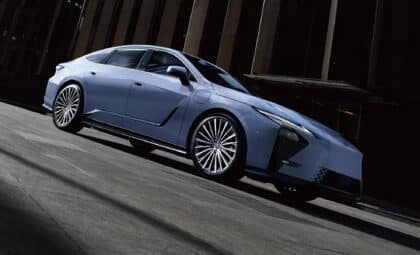
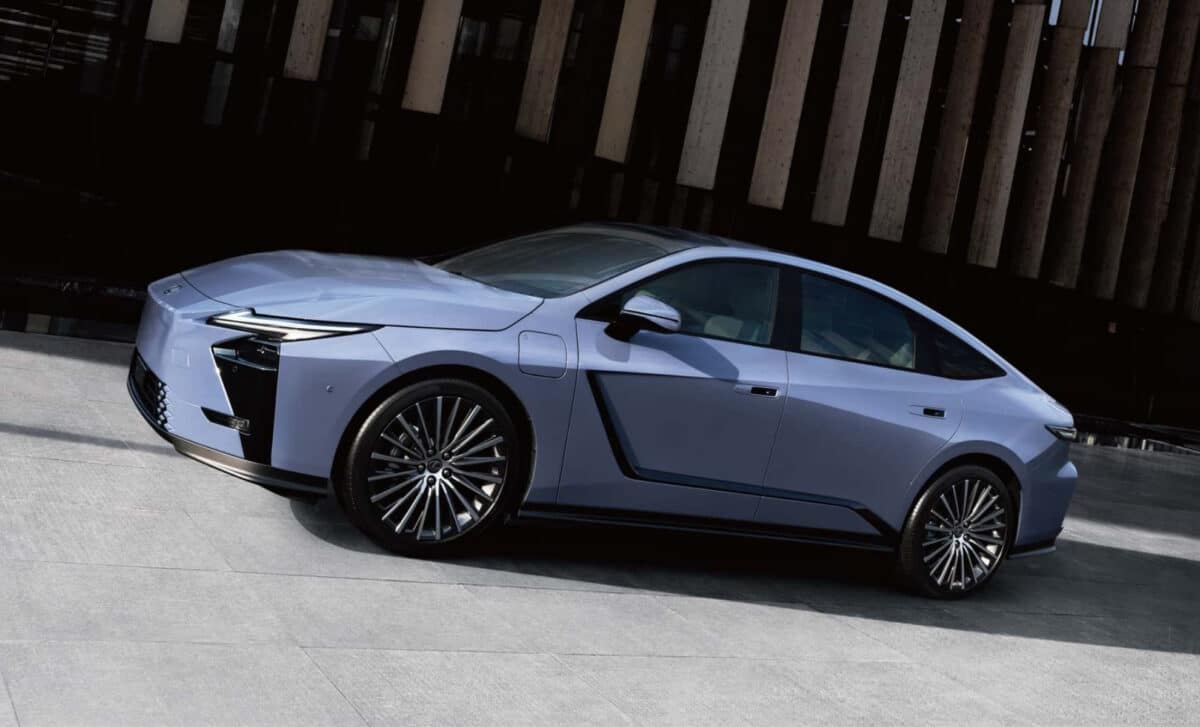
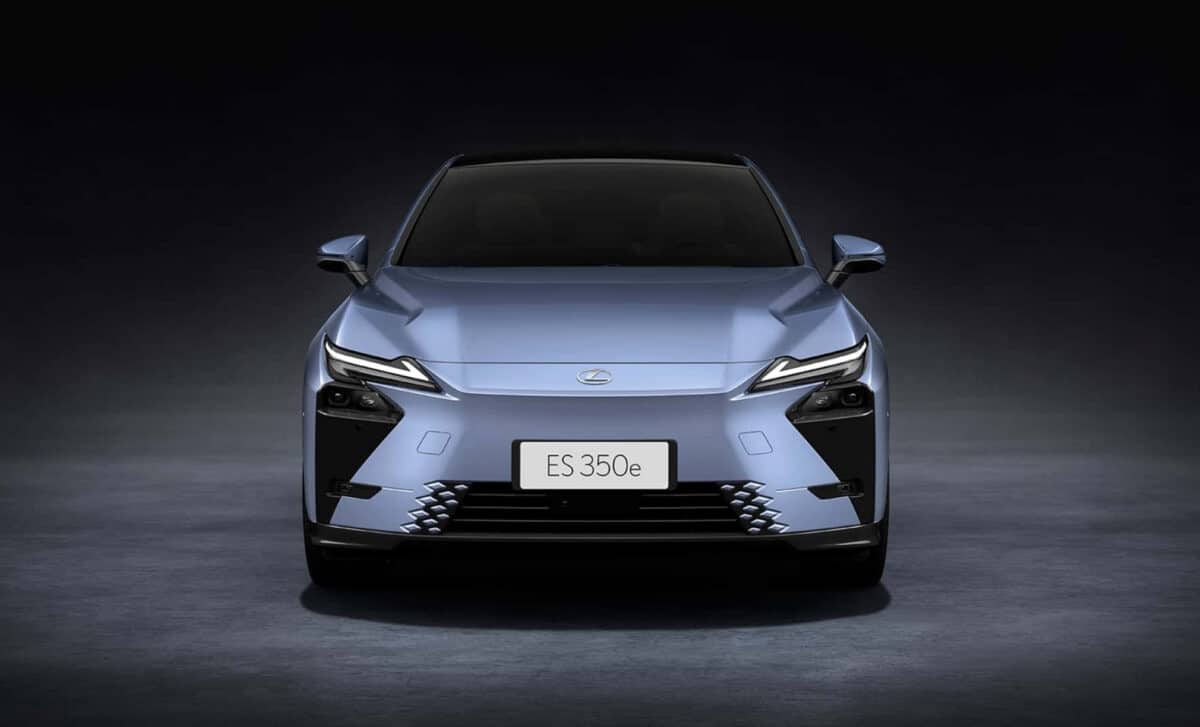
Lexus has officially introduced the eighth-generation ES, expanding its lineup with two electric variants alongside a hybrid offering. The electric ES 350e will reach dealerships in April starting at $47,500, followed by the hybrid version in June. This rollout creates an unusual pricing dynamic where the EV undercuts the hybrid model.
The model also reflects a broader transition within Toyota and Lexus, as the company increases its electric vehicle offerings despite earlier skepticism. The ES is part of a wider push that includes several new EV launches in the U.S. this year.
Electric and Hybrid Powertrains Share the Spotlight
The 2026 ES is offered in multiple configurations, including the 350e and 500e electric variants and the 350h hybrid. The front-wheel-drive ES 350e delivers 221 horsepower and an EPA-rated range of up to 307 miles, powered by a 74.7-kilowatt-hour battery pack. The dual-motor all-wheel-drive ES 500e produces 338 horsepower with a range of 276 miles.
According to InsideEVs, charging peaks at 150 kilowatts, allowing a 10% to 80% recharge in 28 minutes. The system’s charging curve appears efficient, although Toyota EVs still lack integrated route planning in their navigation systems.
The hybrid ES 350h combines a 2.5-liter four-cylinder engine with an electric motor for a total output of 244 horsepower. Performance varies across the lineup: the front-wheel-drive EV and hybrid models accelerate from 0 to 60 mph in roughly 7 to 7.5 seconds, while the 500e completes the sprint in 5.1 seconds.
Pricing Strategy and Equipment Highlight a Shift
Pricing is a central element of the new ES strategy. The base ES 350e Premium starts at $48,795 including destination, compared to $50,995 for the equivalent hybrid. This positions the electric version as a more accessible entry point, a rare case of price parity tipping in favor of EVs.
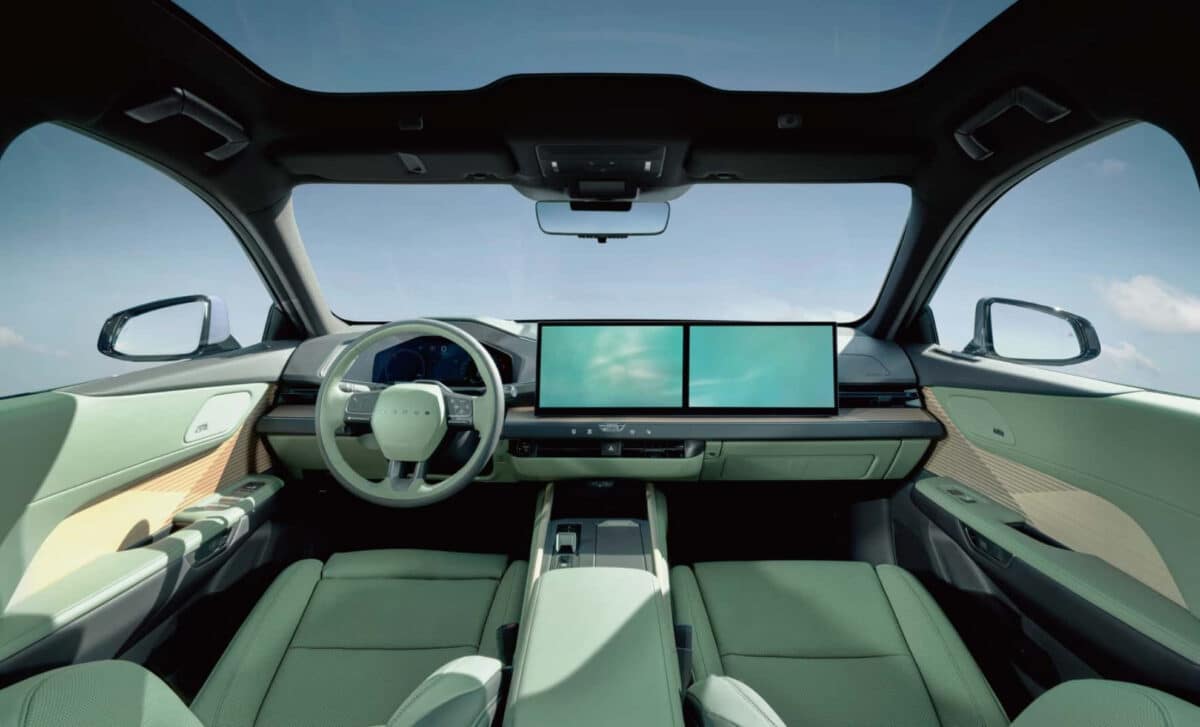
Standard features across all models include a 12.3-inch digital driver display, a 14-inch touchscreen with the Lexus Interface system, and the Lexus Safety System+ 4.0 suite. These elements are consistent throughout the lineup, regardless of powertrain.
Optional equipment varies by trim. The base 350e Premium offers six exterior colors, with only one included at no extra cost. A $1,220 Convenience Package adds features such as a driver monitor, intuitive parking assist with auto braking, and front cross-traffic alert. A Cold Area Package, priced at $375, includes a radiant knee heater, windshield wiper de-icer, and headlamp washers.
Rear-Seat Luxury Pushes the ES Upmarket
One of the most notable additions appears in the ES 350e Luxury trim, which introduces features typically associated with larger flagship sedans. According to Autoblog, the optional $3,635 Executive Package includes rear climate controls, heated and ventilated rear seats, massage functions, and power-reclining seats.
The package also adds a rear passenger armrest, soft headrests, and a power trunk with a kick sensor. With these options, the ES 350e Luxury exceeds $60,000 including destination, placing it near the price of a base BMW 5 Series.
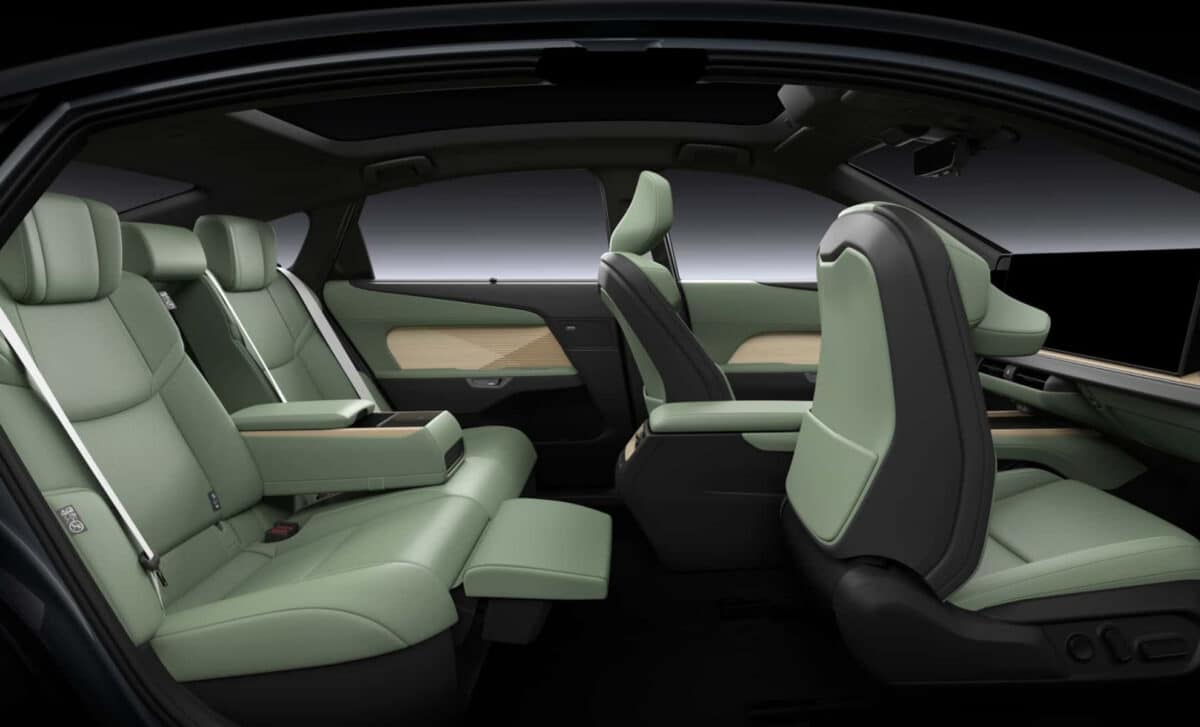
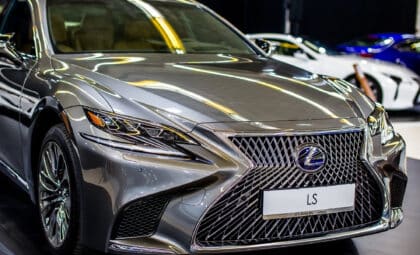
This level of rear-seat comfort is uncommon in the midsize segment and may reflect Lexus’ decision to discontinue the larger LS sedan. Notably, the Executive Package is not available on the more powerful ES 500e, creating an unusual split between performance and luxury configurations.
The overall approach mirrors strategies seen from German competitors, where similar models offer both combustion and electric versions with minimal visual differences. In this case, Lexus emphasizes comfort and value over outright performance, positioning the ES as a more accessible alternative in the premium sedan market.