
Two narratives are now colliding. On one side, U.S. industry voices suggest Europe is restricting access to its market. On the other, European regulators are reviewing a limited exemption that allows certain non-compliant vehicles onto their roads.
The issue matters because it touches both trade relations and vehicle safety standards. But the scale and scope of the measure remain tightly defined, leaving key questions about perception versus reality.
A Niche Exemption At The Heart Of The Dispute
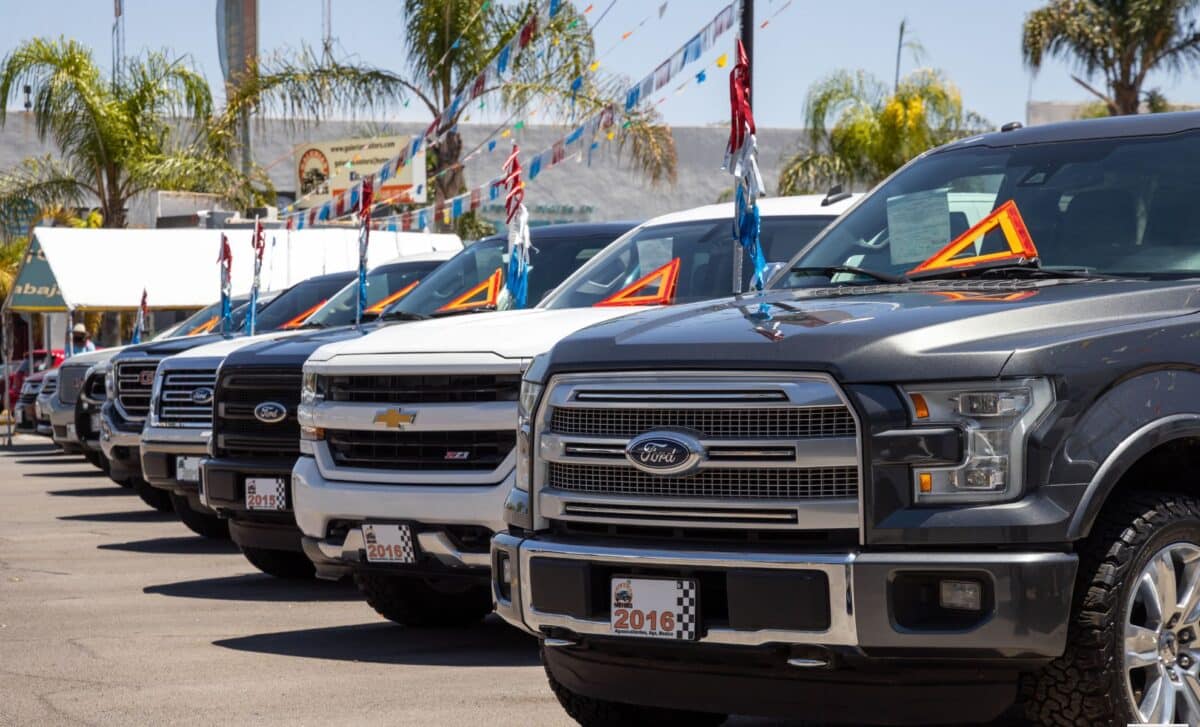
At the center of the debate is the EU’s Individual Vehicle Approval system, known as IVA. This framework allows a limited number of vehicles built for non-European markets to be registered without fully complying with all EU safety and emissions rules.
According to Carscoops, around 7,000 vehicles entered Europe through this scheme in 2024, representing less than 0.1 percent of the total market. Nearly 5,200 of those were Ram trucks, highlighting how concentrated the flow is within a narrow segment.The program functions as a workaround for low-volume or unusual imports, somewhat comparable to the “Show and Display” exemption in the United States. It enables American pickups and SUVs to reach European buyers despite not being originally designed for EU regulations.
European authorities are now considering tightening this exemption starting in 2027. The European Commission states the objective is to close regulatory gaps that could allow vehicles onto public roads without meeting established safety standards.
Claims Of Restriction Meet Limited Evidence
The perception of a broader crackdown stems largely from a small number of statements rather than formal accusations by automakers themselves. The Financial Times report cited an unnamed executive from a Detroit carmaker, along with comments from U.S. ambassador Andrew Puzder and a letter from the American Automotive Policy Council.
None of the major manufacturers publicly accused the EU of blocking their vehicles, and companies including Ford, GM, and Ram declined to comment.
The unnamed executive claimed that Europe was “restricting US products and limiting customer choice,” while Puzder emphasized concerns about trade barriers, stating that low tariffs cannot coexist with what he described as significant non-tariff restrictions.
Still, the policy under discussion does not amount to a ban. It focuses on a specific regulatory pathway affecting a relatively small number of imports each year.
Safety Concerns And A Longstanding American Contradiction
Criticism of large American pickups in Europe has also played a role in the debate. The advocacy group Transport & Environment argues that vehicles such as the Ram 1500 present increased risks to pedestrians and cyclists due to their size and visibility limitations.
According to the same source, the group claims the height of the truck’s hood can prevent drivers from seeing a child standing directly in front of the vehicle. This argument frames the discussion as a safety issue rather than a purely trade-related one.
At the same time, the situation has drawn attention to U.S. trade policy. The United States has imposed a 25 percent tariff on imported light trucks since 1964, a measure widely known as the chicken tax.
This tariff has significantly shaped the American pickup market. It pushed manufacturers such as Toyota, Nissan, Honda, and Mercedes to build trucks within North America instead of importing them. In some cases, companies have used complex methods to bypass the tariff, including modifying imported vehicles after arrival.
Alongside tariffs, the U.S. also restricts vehicle imports that do not meet federal safety standards. When viewed against these longstanding barriers, Europe’s proposed adjustment to a niche import exemption appears limited in scope, even as it becomes a focal point in transatlantic trade tensions.