
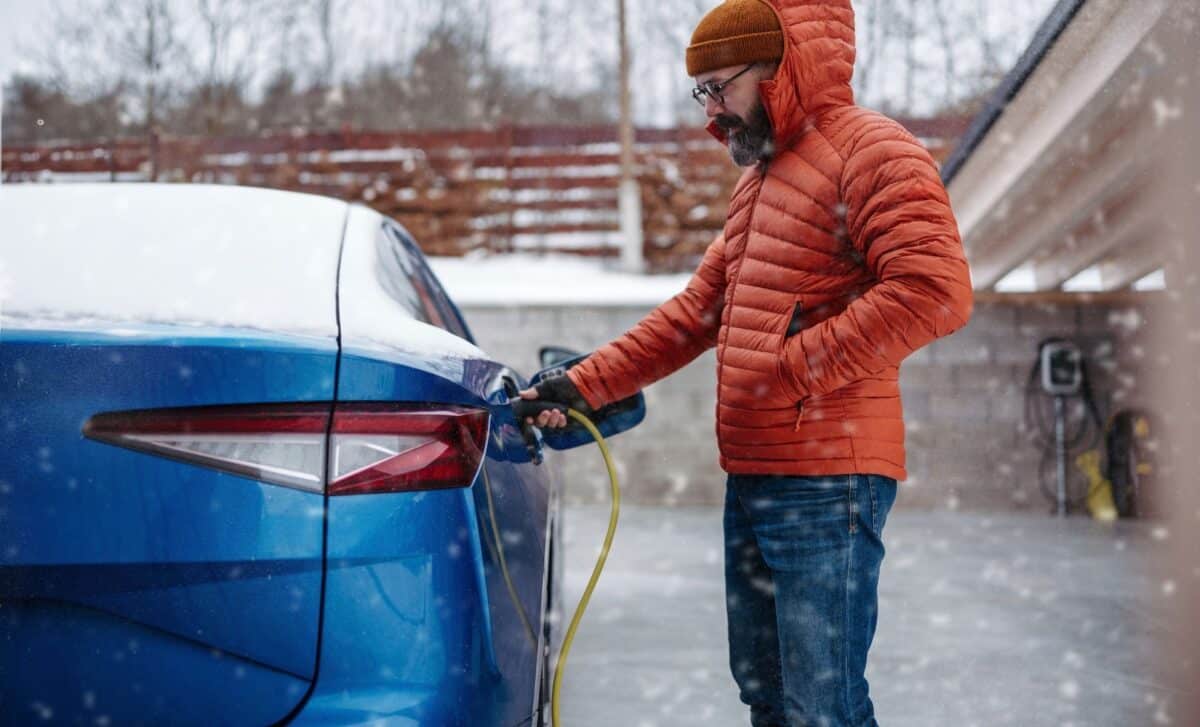
In the winter, the performance of EVs is significantly affected by the cold. This weather-related issue results in a decrease in battery capacity, which can lower an EV’s range by up to 30%.
As the mercury drops, battery efficiency declines, making it essential for drivers to take preventive measures. Fortunately, several strategies can help mitigate this effect and ensure that drivers can still rely on their vehicles for daily commutes and longer trips.
Preparing Your EV for Winter
The key to maintaining good battery performance in cold weather starts before you even hit the road. One of the simplest yet most effective ways to help preserve your car’s range is by parking it in a garage, even if it’s unheated. This can keep the vehicle’s battery up to 8°C warmer than if it were parked outside, improving retention of the charge and facilitating better preheating.
Another crucial step is scheduling your departures ahead of time. As long as your EV is plugged in, many models allow for the battery and interior to be preconditioned, making sure they’re at an ideal temperature before driving. This is particularly important as it ensures that the battery will operate at optimal efficiency, and it also activates the regenerative braking system immediately upon start-up.
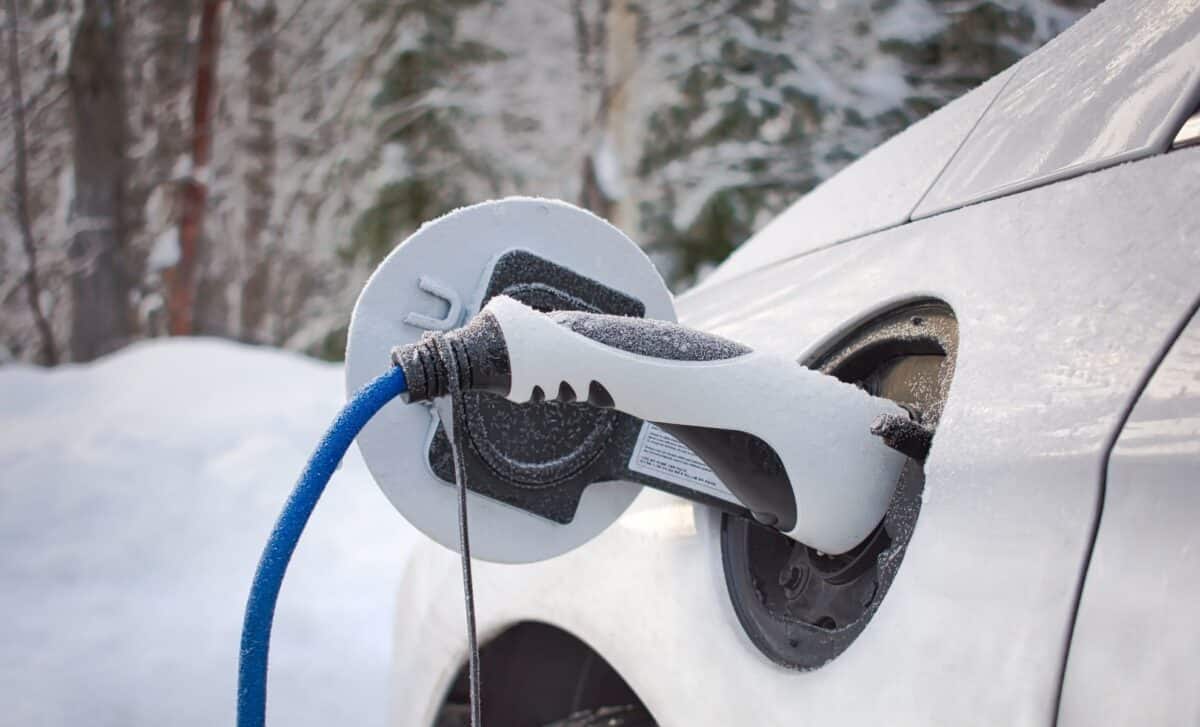
Recharging During the Cold Months
Charging electric cars in winter also requires some adjustments. It’s essential to account for the fact that cold temperatures can lead to a noticeable loss of range. During the colder months, it’s recommended to charge your vehicle to 100% instead of the commonly advised 80% to compensate for this loss.
Furthermore, to ensure that your battery is at its peak when you begin your journey, plan to finish charging just before departure, as this ensures that your EV’s battery is at the optimal temperature. For the most efficient charging, night-time charging is also advised, as it helps to avoid the high energy demands of daytime charging. Additionally, make sure never to let the battery drop below 20%, and during long trips, use fast-charging stations whenever possible to minimize the wait time.
Optimizing Energy Consumption
Once on the road, minimizing energy consumption becomes crucial for preserving the battery’s range. Electric vehicles typically have an “Eco” mode that limits power output, and using this mode can yield savings of up to 20%. The vehicle’s heating system is another significant energy drain, so drivers should adjust their climate settings wisely.
For instance, reducing the cabin temperature by just a few degrees and using heated seats instead of relying on the car’s central heating system can significantly help conserve battery life. Tire pressure is another factor to keep in mind, as the cold can lower it, increasing rolling resistance and reducing range. Checking tire pressure regularly ensures the car operates efficiently in winter conditions.
Traveling Longer Distances
For longer trips, particularly those exceeding 200 kilometers, careful planning is essential. It’s important to identify charging stations along your route that have multiple fast-charging points.
This helps avoid long waits, which can be a particular concern during peak travel periods like weekends or holiday seasons. It’s also a good idea to carry extra essentials in the car, such as warm clothing, blankets, water, and food, as well as a portable battery charger, just in case you find yourself stuck and needing to maintain some level of comfort without depleting your vehicle’s battery too quickly.