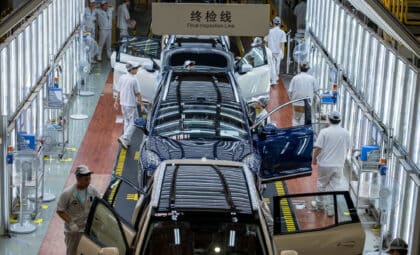
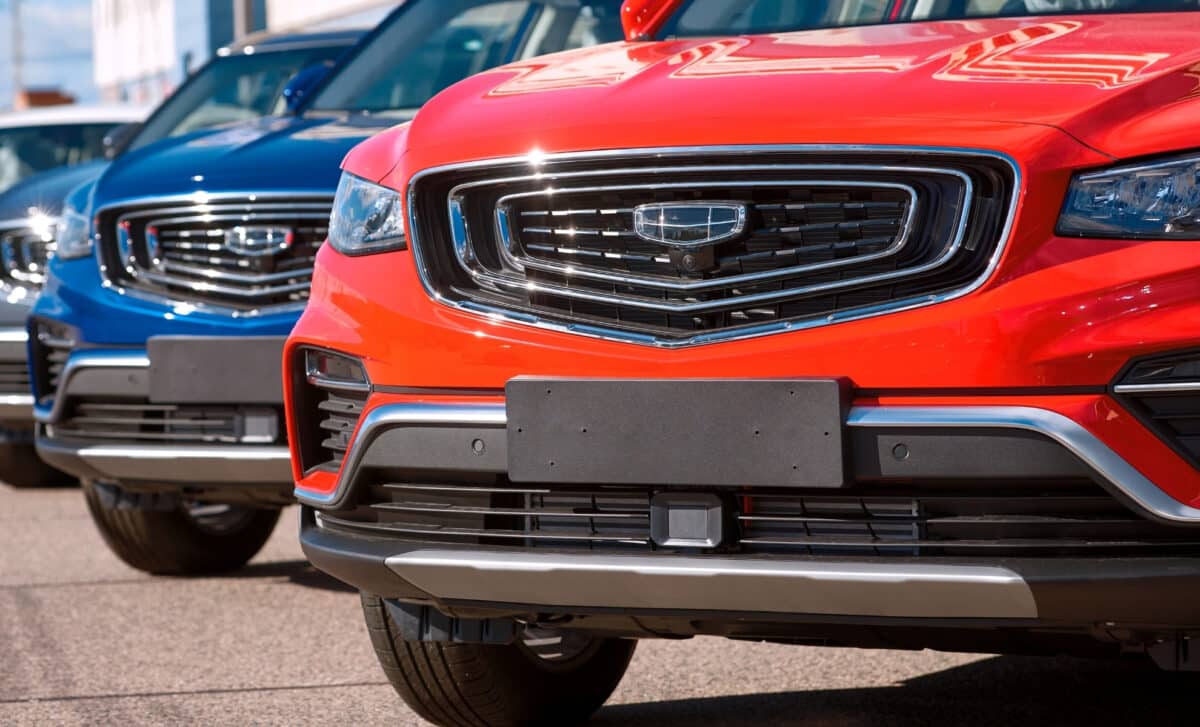
In an era where shifting trade policies and rising manufacturing costs are pushing automakers to rethink their strategies, Ford and Geely are quietly negotiating a partnership that could reshape the European automotive landscape. At the center of these discussions lies a key question: how can global manufacturers adapt to new realities without abandoning their presence in critical markets like Europe? The answer may be in collaboration. Specifically, Ford’s Valencia plant in Spain is emerging as a crucial piece of this puzzle.
This potential agreement is more than just a factory deal. It’s a strategic move by both companies to leverage each other’s strengths in a rapidly changing market. The partnership would allow Geely, the Chinese automotive giant behind Volvo and Lotus, to sidestep European Union tariffs on Chinese-built electric vehicles. In exchange, Ford would maximize the utilization of its underused Spanish facility, which has long struggled to meet its full production capacity.
A New Chapter for Geely in Europe
Geely, known for its aggressive expansion strategies, has already made substantial moves in Europe through acquisitions like Volvo. However, the brand’s own sales remain relatively modest, particularly when compared to competitors such as BYD or NIO, which have already established a foothold in the European market.
As the European Union ramps up tariffs on Chinese-made electric vehicles, local production has become an increasingly important route for Geely to remain competitive. Building cars within the EU allows the company to avoid costly tariffs, effectively boosting its pricing flexibility.
The talks surrounding this potential partnership reflect not just Geely’s ambition but also the broader trend within the automotive industry. Manufacturers, whether they are in Europe, Asia, or the U.S., are seeking ways to collaborate in order to reduce costs, share technologies, and streamline production. Geely, for instance, has long preferred to utilize existing manufacturing plants rather than investing in entirely new facilities. This new venture with Ford could set the stage for a future where manufacturers increasingly share resources to meet the demands of a complex global market, reports Motor1.
Ford’s Valencia Plant: Underused Potential
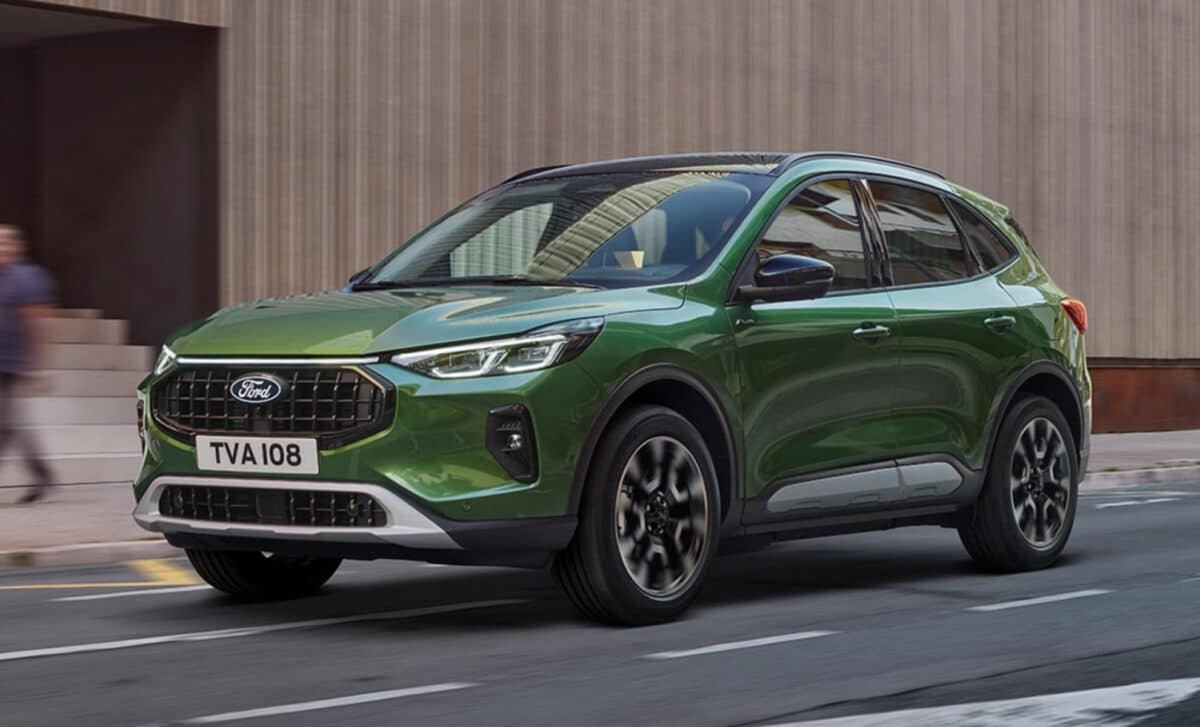
Ford’s Valencia plant is a strategic asset within its European operations. Currently, it manufactures the popular Kuga SUV, but its output is far below the site’s potential. The plant’s underutilization has led to discussions about how to maximize its capacity, and the agreement with Geely could be the answer.
The ability to produce vehicles for Geely at this existing facility would help Ford make better use of its industrial infrastructure without requiring substantial new investment. It’s a win-win situation, with both companies benefiting from a shared resource.
One key aspect of this partnership that’s worth noting is its potential to impact not just Ford and Geely but also the broader European automotive market. Local production, especially of electric vehicles, is increasingly seen as vital for automakers looking to navigate the complex regulatory environment in Europe. By assembling cars within the EU, Geely would not only avoid tariffs but could also gain a competitive edge over rivals who are still importing vehicles from China.
Rising Trade Tensions and the EU’s New Tariffs
The European Union’s tariffs on Chinese electric vehicles have added a layer of complexity to the situation. In 2023, the EU imposed new trade measures aimed at leveling the playing field, with concerns that Chinese automakers might be benefiting from unfair state-backed subsidies. While these measures are meant to protect European manufacturers, they also create a significant obstacle for foreign brands like Geely, which are looking to grow their presence in the region. By bypassing these tariffs through local production, Geely would enhance its competitiveness in the increasingly crowded European electric vehicle market.
This development also speaks to a wider shift in global automotive strategies, where the focus is not only on building competitive products but also on navigating the regulatory environments of key markets. As the industry adapts to new economic and trade realities, more companies are likely to explore collaborative manufacturing arrangements. Ford and Geely’s potential partnership in Valencia is a case study in how these collaborations might unfold in the coming years.