
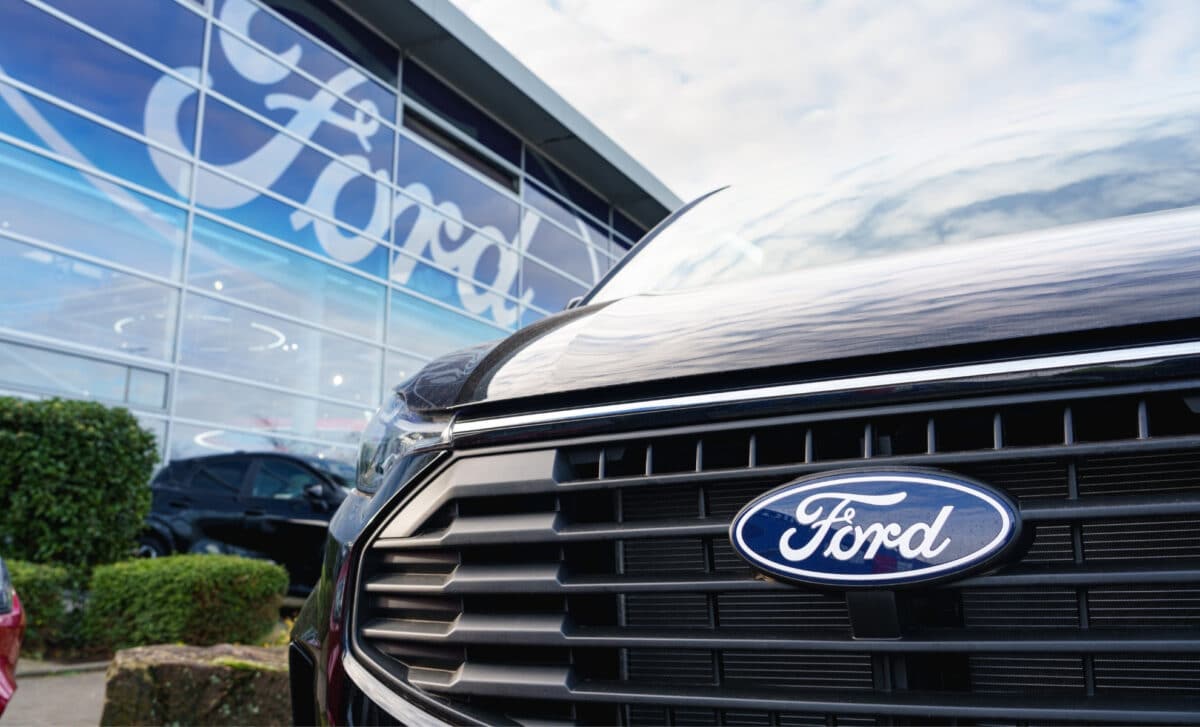
For a while, it looked like Ford was all-in on electric vehicles. The American automaker had reshaped its entire strategy, dropping some of its most iconic combustion models to chase a fully electric future.
But in a quiet shift, things are changing. Last December, Ford announced a major new investment… not in EVs, but in hybrids and combustion engines. That alone would have raised eyebrows. What’s stirred political waters in Washington is who Ford might be teaming up with.
According to Reuters, Ford is in talks with BYD, a Chinese battery giant, to secure its future hybrid and extended-range electric models. And that, unsurprisingly, is not going down well in certain corners of the U.S. government.
Ford’s Electric Gamble Takes a Pause
In 2022, Ford split its automotive business in two: Ford Blue would handle combustion and hybrid vehicles, while Ford Model e would focus on full EVs. It was a bold move, signaling a long-term bet on electrification. Iconic models like the Fiesta, Focus and Mondeo were phased out in Europe, all in anticipation of a 100% electric market.
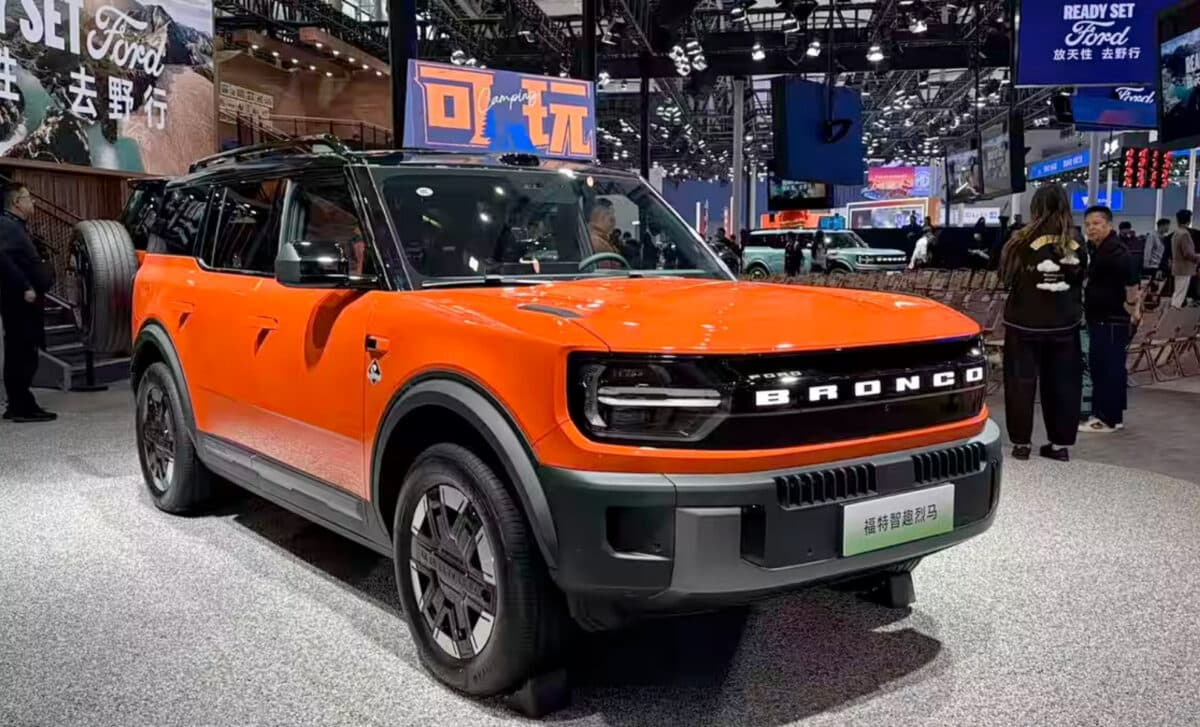
But the reality has been more complicated. EV sales across the board have softened, and Ford’s own electric lineup has underperformed. The Mustang Mach-E is nearing the end of its cycle. The F-150 Lightning, once hyped as a revolutionary pickup, has seen its production paused. The new Explorer EV and Capri have struggled to gain traction. As a result, Ford has lowered its ambitions, now targeting a 50/50 mix of combustion and electric vehicles by 2030, instead of a fully electric range.
This pivot is being backed by a massive $19.5 billion investment. Much of it will support gasoline and hybrid development, especially outside the U.S. market.
A Chinese Partner in the Spotlight
To support this hybrid push, Ford is reportedly exploring a deal with BYD to supply LFP (lithium iron phosphate) batteries, known for their cost efficiency and durability. The aim: to secure a stable battery supply chain for plug-in hybrids (PHEV) and range-extended EVs (REEV) built outside the United States.
In another context, such a deal might fly under the radar. But it comes at a time of heightened U.S.-China tensions. The White House has been vocal about the risks of Chinese dominance in critical technologies, including EVs and batteries.
White House trade advisor Robert Lighthizer took to social media to criticize Ford: “Has Ford already forgotten the rare-earth extortion?” he wrote, before calling BYD “a predator on pricing” and warning that its goal is to dominate global EV production. He added pointedly, “If this continues, Tesla will be a footnote.”
Digging Into the Context
The timing is awkward. As the U.S. tightens its stance on China, with export controls, trade restrictions, and diplomatic pressure, Canada has begun warming up relations with Beijing. Washington has hinted at potential “retaliation” against Canadian openness, which further complicates the North American trade and industrial landscape.
Meanwhile, Ford isn’t alone in recalibrating. Renault recently announced it was folding its Ampere EV unit, once meant to be its electric spearhead. Like Ford, it seems European and U.S. automakers are reassessing just how fast they can push their EV strategies without alienating markets or overextending resources.
More than Just Business
From a technical standpoint, Ford’s pivot is pragmatic. Hybrids are a stable, profitable segment, especially in regions where charging infrastructure still lags. LFP batteries, while not as energy-dense as some alternatives, offer solid performance at lower cost, an attractive combination for hybrid powertrains.
But when politics gets involved, pragmatism can become controversy. Ford’s choice of partner isn’t just a supply chain decision, it’s seen by some as a geopolitical statement. In the current climate, even routine business deals can become flashpoints in the broader struggle for technological influence.
The deal with BYD isn’t finalized, and Ford has yet to confirm it publicly. But even the rumor has triggered strong reactions, showing just how sensitive the EV ecosystem has become to global tensions. Whether the backlash will influence Ford’s plans remains to be seen.