
A decade ago, early adopters of electric cars often stood out. Buyers were typically motivated by environmental concerns or a strong interest in emerging technology, and manufacturers leaned into that image. EV Models like the Volkswagen ID.3 were marketed in ways that highlighted their electric identity, reinforcing the idea that choosing an EV was a statement.
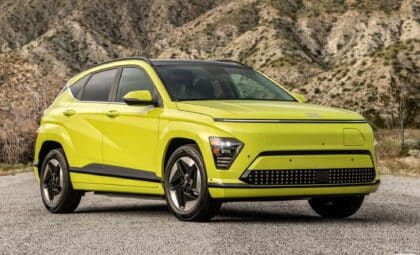
That dynamic has changed. The latest generation of electric vehicles no longer requires justification beyond product quality, as models across categories, from compact city cars to premium SUVs, demonstrate that electric powertrains can meet mainstream expectations.
Price Parity Reshapes The Market
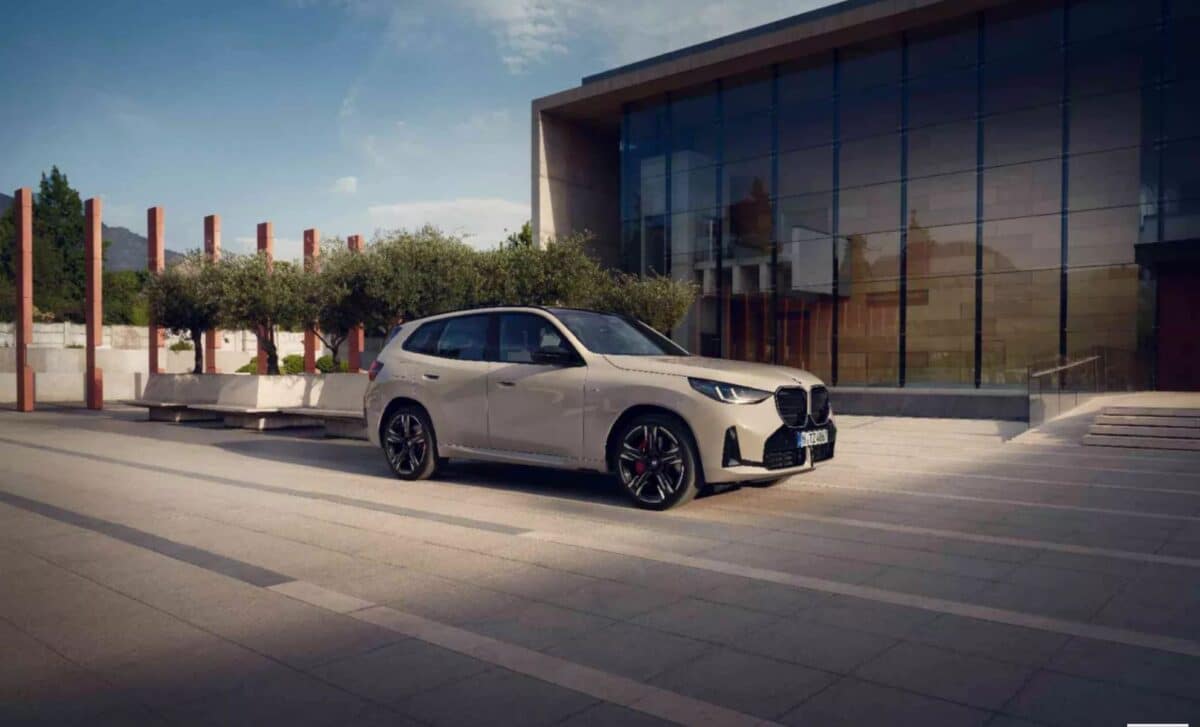
Cost has long been considered the main obstacle to EV adoption. That gap is now narrowing significantly. According to Auto Express, a petrol or plug-in hybrid BMW X3 with comparable specifications is no cheaper than the new BMW iX3.
The comparison becomes more striking at higher performance levels. The BMW X5 M50, producing 392bhp, is reported to cost around $19,000 more than the 462bhp iX3 50xDrive. This pricing alignment suggests that electric options are no longer positioned as premium alternatives, but as direct competitors.
The same trend appears in smaller segments. Renault’s upcoming Twingo is expected to start at well under $25,000, while a Toyota Aygo X hybrid begins at about $27,000. These figures indicate that affordability is no longer exclusive to combustion or hybrid models.
Improvements In Performance And Refinement
Beyond pricing, electric vehicles have seen notable progress in engineering and driving quality. Many modern EVs are now more refined and offer driving experiences comparable to, or better than, their petrol counterparts.
Advancements in technology have contributed to smoother operation and improved overall build quality. These gains are not limited to high-end vehicles but extend across the market, reinforcing the idea that electric powertrains are no longer experimental or compromised solutions.
This evolution reflects a broader shift in how EVs are perceived—not as alternatives with trade-offs, but as fully competitive products.
Charging Challenges Persist But Are Easing
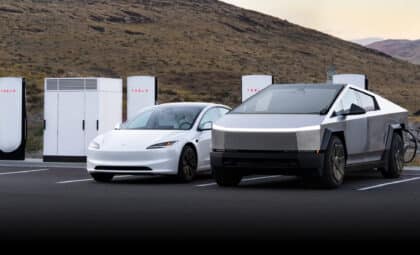
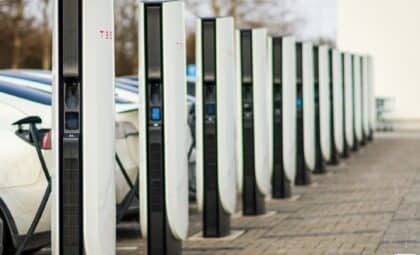
Charging infrastructure remains a concern, though the situation has improved. Some vehicles still face limitations in range and charging speed, and the public network, while expanded, continues to require development.
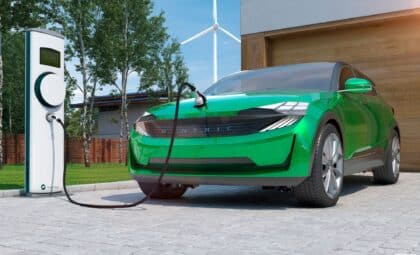
For drivers with access to home charging, the situation is more straightforward. Charging overnight using lower electricity tariffs offers the cheapest cost per mile for most users.
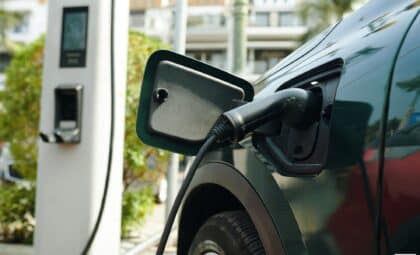
Urban drivers or those without off-street parking face a different reality. The need for more accessible, low-speed and low-cost public charging options is still present. Yet the experience has improved compared to previous years.
Electric vehicles continue to offer environmental benefits and advanced onboard technology. What stands out in 2026 is a simpler conclusion: the transition to electric is increasingly driven by product quality rather than identity or aspiration.