
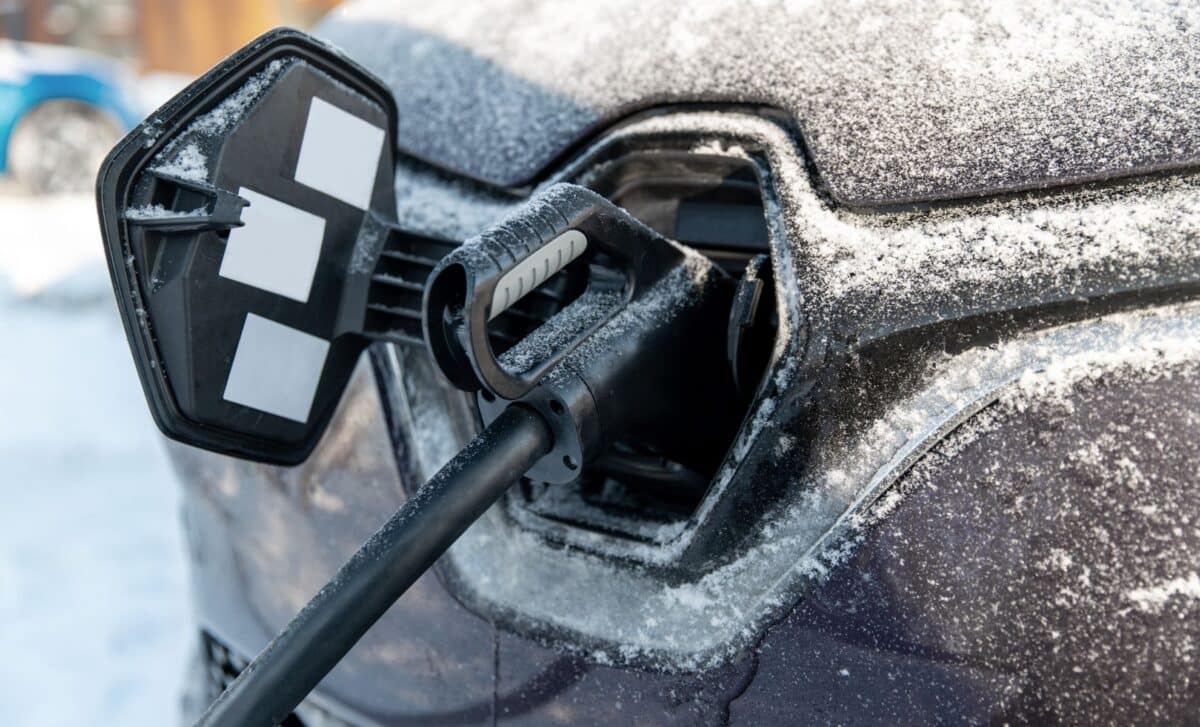
When winter hits, the conditions for EV batteries worsen, with cold temperatures reducing the available power. The battery’s chemical reactions slow down, making it less efficient. At the same time, systems like heating and defrosting demand more energy, further straining the battery.
While winter driving is inevitable, a few adjustments can minimize the impact of these factors. For example, basic changes in behavior—such as preheating the vehicle while it’s plugged in and checking tire pressure regularly—can make a noticeable difference.
How Cold Affects Your Battery
The most significant factor influencing an EV’s winter performance is the drop in temperature. As the mercury falls, the internal chemistry of the lithium-ion battery slows down, temporarily reducing its capacity. This means that even with a full charge, drivers might notice their range drop.
Additionally, some EVs automatically activate battery warming systems to ensure optimal operation, which, while helpful, consumes even more energy. According to experts, parking your car in a closed garage can mitigate the cold’s impact, keeping both the cabin and battery at a higher temperature, thus preserving more of the vehicle’s range.
Preheating the Car to Save Energy
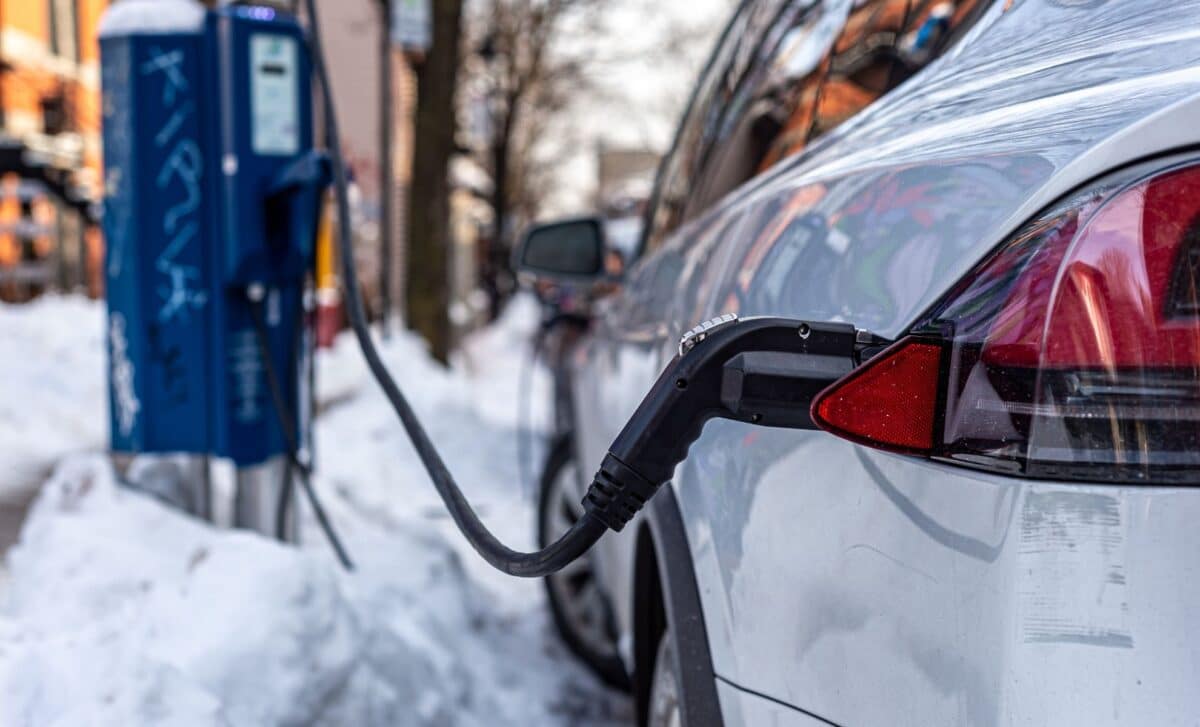
A useful strategy that many electric car owners might overlook is preheating the vehicle while it is still plugged into the grid. By using the car’s electrical connection, rather than drawing power from the battery, the heating system warms the cabin without sacrificing range. This can be easily programmed through the car’s mobile app or on-board system before the driver even steps out the door.
Preheating also applies to defrosting windows—doing this while the car is still connected to the charger saves energy, as it can otherwise consume up to 7,000 watts in a short period of time. Therefore, this simple step is one of the most effective ways to maintain the EV’s autonomy on cold mornings.
Adapting Driving Habits
Once on the road, the weather can still affect the car’s performance, especially when it comes to tire pressure and heating usage. Low temperatures can cause tires to lose pressure, which increases rolling resistance and drains the battery more quickly. Regular checks on tire pressure are essential during the winter months.
Moreover, while the cabin heater is necessary for comfort, it is one of the largest drains on energy. Experts suggest using the car’s heated seats or steering wheel instead, as they consume less energy and provide immediate warmth.
Additionally, maintaining a moderate speed, particularly on highways, can reduce the extra energy required to overcome increased air resistance caused by the cold. It is recommended to reduce your speed by 10 to 20 km/h to see a noticeable difference in energy consumption.