The agreement comes as Chinese automakers and manufacturing networks continue to gain influence across the global automotive industry. The two groups will jointly invest eight billion Chinese Yuan, equivalent to around €1 billion or $1.16 billion, into the new program.
Dongfeng will provide most of the funding, while Stellantis is contributing roughly €130 million, or about $151 million at current exchange rates. The vehicles developed through the partnership will belong to China’s “new energy vehicle” category, which includes plug-in hybrids, fully electric models, and EVs using combustion engines as range extenders.
The production program will be handled by Dongfeng Peugeot Citroën Automobile, commonly known as DPCA. The Wuhan-based joint venture has existed since 1992, when PSA Peugeot Citroën first partnered with the state-owned Chinese manufacturer, years before the creation of Stellantis itself.
Jeep and Peugeot Will Each Receive Two New Vehicles
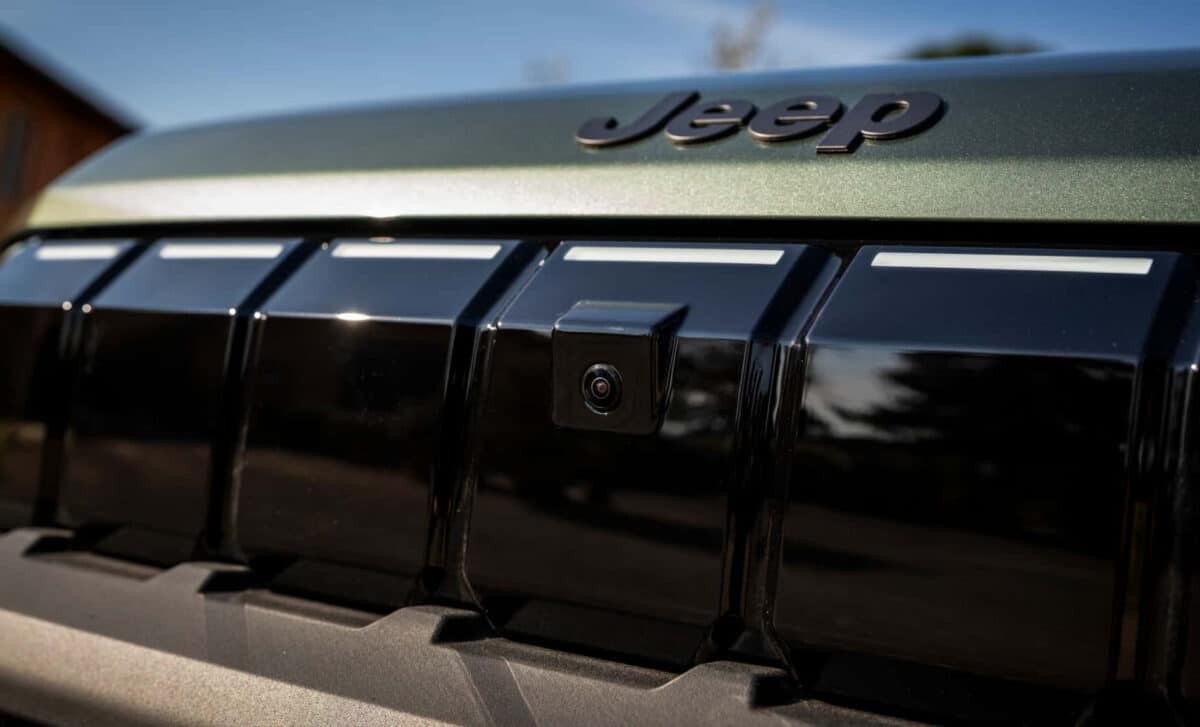
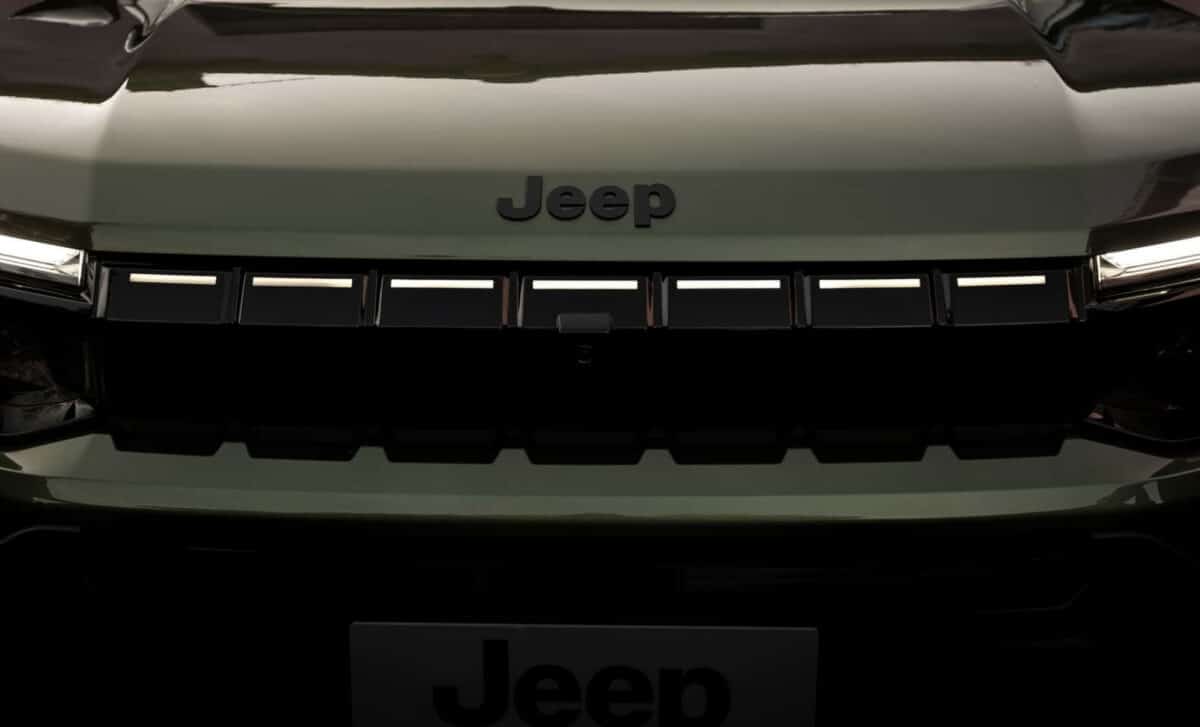
Stellantis confirmed that the first phase of the agreement includes four vehicles in total, divided equally between the Jeep and Peugeot brands. According to Motor1, the first models are expected to arrive in 2027.
The company has released few technical details about the upcoming Jeeps, stating only that both vehicles will maintain an off-road orientation. No information was provided regarding powertrains, dimensions, or targeted export regions.
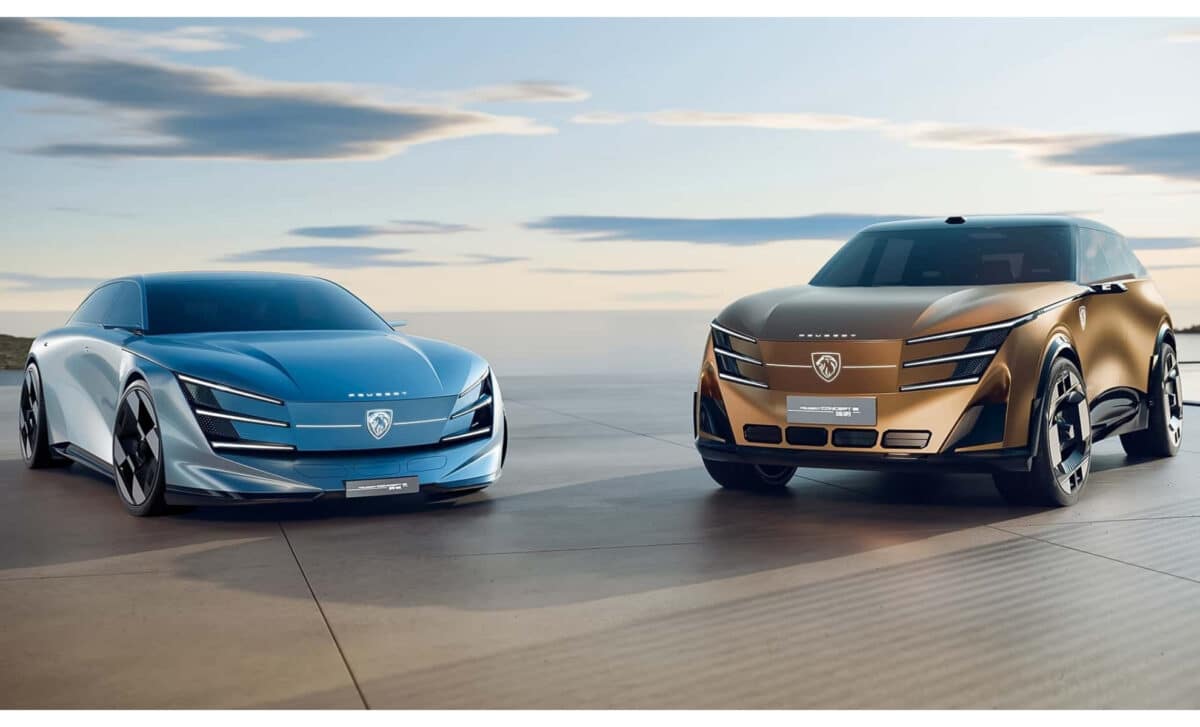
On the Peugeot side, the future production models will take inspiration from two concepts introduced during last month’s Beijing Auto Show. The Concept 6 wagon and Concept 8 SUV showcased a new design language developed for the Chinese market.
Peugeot’s New Chinese Design Language Is Set To Go Global
The styling direction previewed by Peugeot in Beijing is not expected to remain exclusive to China. Stellantis indicated that the design approach introduced by the Concept 6 and Concept 8 will expand globally starting in 2027.
The automaker did not specify which markets will receive the new vehicles. It also did not clarify whether the exported models would differ from the versions sold in China.
All four vehicles announced under the agreement will be assembled at the DPCA facility in Wuhan. The plant already serves as a major production center for the partnership between Dongfeng and the former PSA Group operations in China.
The Agreement Expands a Long-Standing Industrial Partnership
The latest project is part of a broader effort by Stellantis and Dongfeng to deepen their industrial cooperation. Alongside the vehicle program, the companies signed a non-binding strategic memorandum of understanding intended to strengthen future collaboration.
Bloomberg previously reported that Stellantis could allow Dongfeng to manufacture vehicles in some underused European factories. In return, Dongfeng would permit Stellantis to build vehicles in China. The newly announced agreement confirms that production involving Stellantis brands in China is moving forward.
Dongfeng chairman Qing Yang described the arrangement as a “win-win,” while Stellantis CEO Antonio Filosa said the company looks forward to collaborating “even more in the future.” Neither company announced additional products beyond the four vehicles currently planned.