
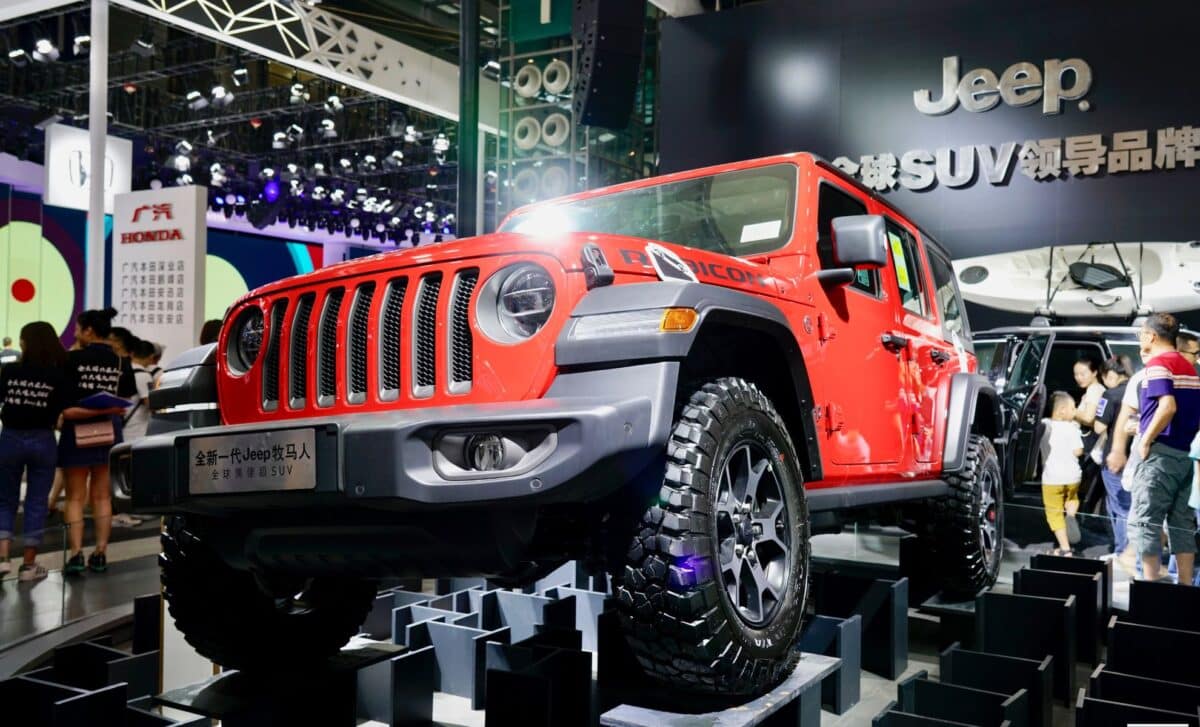
The deal signals a significant step in Jeep’s ongoing electrification strategy, expanding a partnership with Dongfeng that has lasted over 30 years. While Jeep’s image has been closely tied to rugged Americana and military history, the brand is now increasingly linked to global EV development, including technologies emerging from China. At this stage, Stellantis has clarified that the vehicles produced in Wuhan are intended for China and other global markets, with no explicit mention of sales in the United States.
The agreement also includes plans for Peugeot models to be produced at the same Wuhan facility, underscoring Stellantis’ broader investment in the Chinese electric vehicle ecosystem. Total investment for the project exceeds €1 billion, with Stellantis contributing around €130 million, alongside support from local government authorities in Hubei province.
Expanding The Stellantis-Dongfeng Partnership
The new agreement extends Stellantis’ collaboration with Dongfeng through their DPCA joint venture. According to Carscoops, the Wuhan plant will produce two new Peugeot EVs and two new Jeep electrified off-roaders. While Stellantis has not yet revealed the specific Jeep models, the vehicles are described as “new-energy vehicles,” which could include fully electric SUVs, plug-in hybrids, or a combination of both.
Stellantis CEO Antonio Filosa emphasized the strategic value of the partnership, stating that the companies are “ready to further leverage their strengths and introduce all-new vehicles with cutting-edge EV technologies from brands that customers worldwide trust and love.” This suggests a focus on both technological advancement and maintaining brand recognition across multiple markets.
Implications For Jeep’s Brand Identity
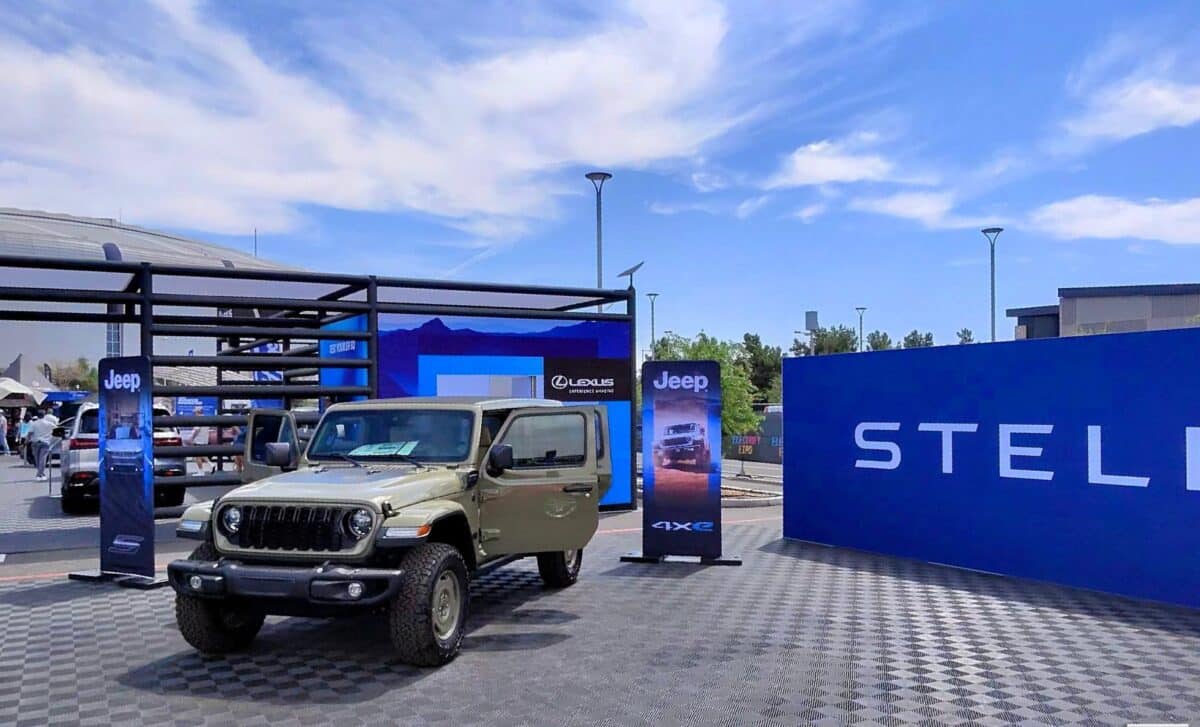
Jeep’s historical identity has been built around American military and off-road heritage. The decision to manufacture vehicles in China raises questions about how this shift might influence perceptions of the brand. While production will take place in Wuhan, the vehicles are primarily intended for China and other global markets, leaving open the question of whether Chinese-built Jeep EVs will ever reach U.S. consumers.
The optics of producing traditionally American vehicles abroad reflect broader trends in the automotive industry, where global supply chains and regional manufacturing increasingly define brand strategy and product availability. Jeep’s future in electrification appears to be closely linked to China’s rapidly evolving EV ecosystem.
Peugeot’s Role In The New Facility
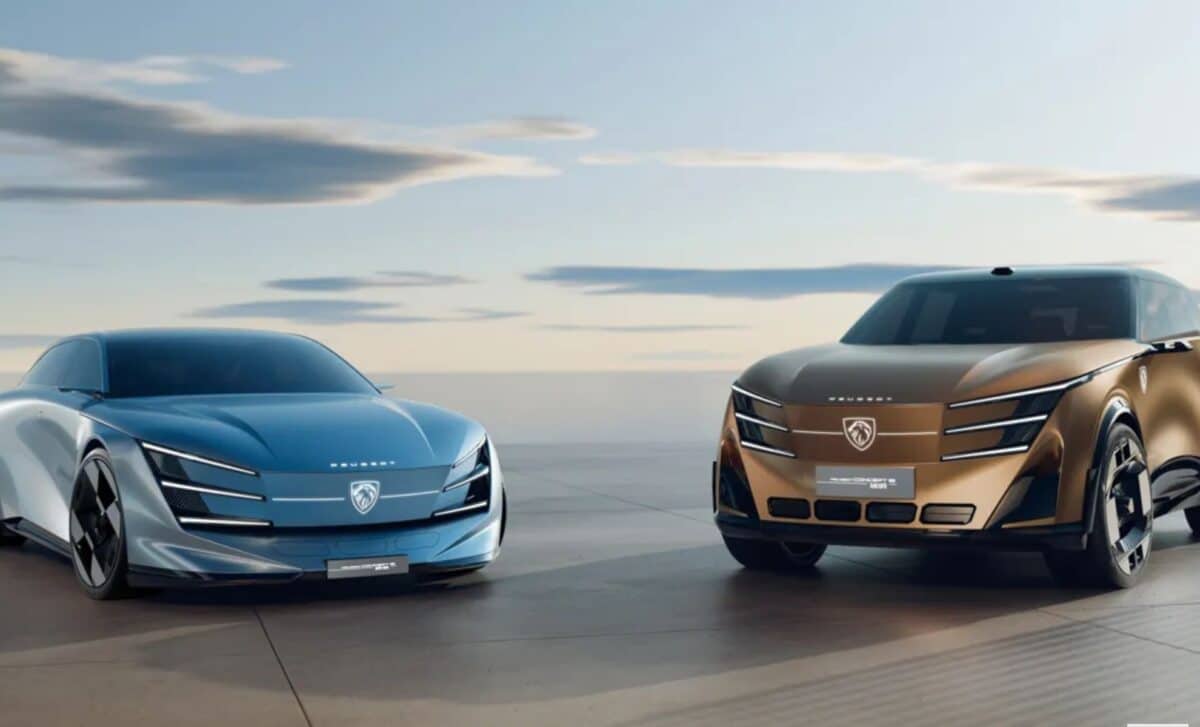
Peugeot’s production plans at the Wuhan plant are somewhat clearer. The upcoming models will draw inspiration from the Concept 6 and Concept 8 vehicles displayed at this year’s Beijing Auto Show, including a sleek sedan and a large flagship SUV. These models are aimed at expanding Peugeot’s presence in global markets and complement Stellantis’ overall electrification efforts.
The joint investment reflects Stellantis’ commitment to integrating advanced EV technology and leveraging local partnerships to accelerate vehicle production. The Wuhan facility is expected to play a critical role in the company’s plans for both Jeep and Peugeot electrified vehicles, positioning Stellantis to benefit from the growth of EV demand in Asia and other international markets.
The Stellantis-Dongfeng agreement highlights the company’s strategy to combine global manufacturing capabilities with emerging EV technologies while navigating evolving market dynamics and consumer expectations worldwide.