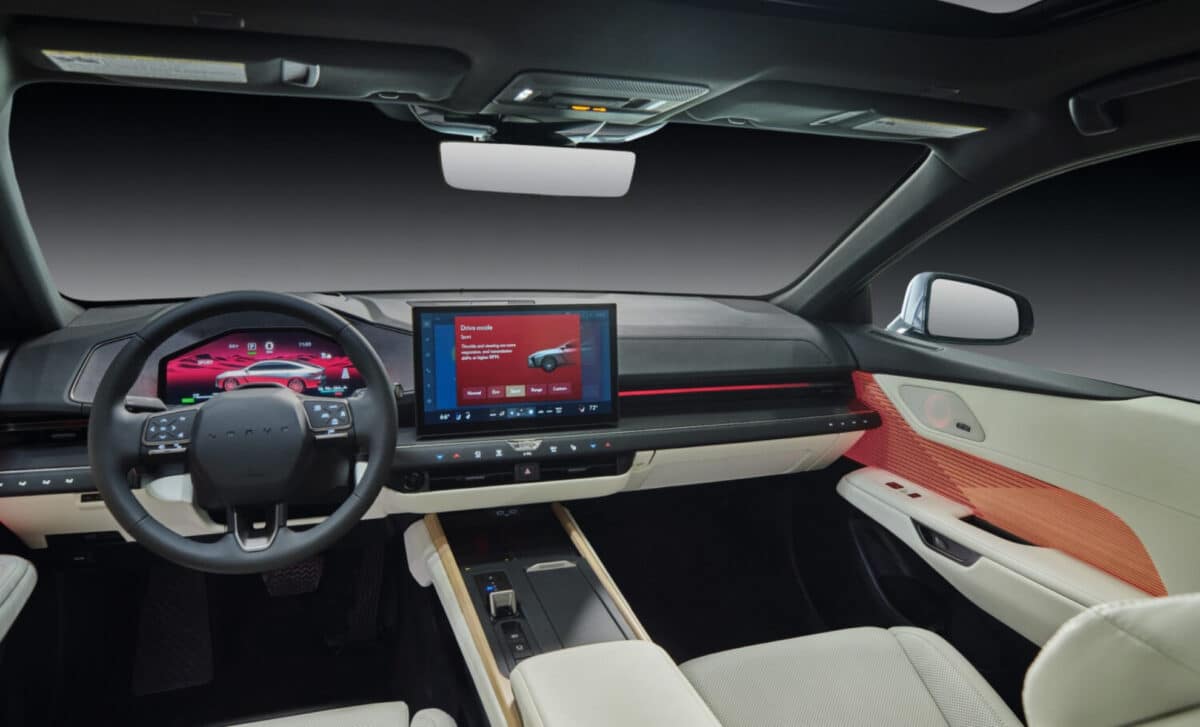
The absence of native EV route planning had been one of the main frustrations for owners of Toyota and Lexus electric vehicles, especially during extended road trips where range management becomes a central concern. The new system marks the first time a Lexus EV will include this functionality directly from the factory.
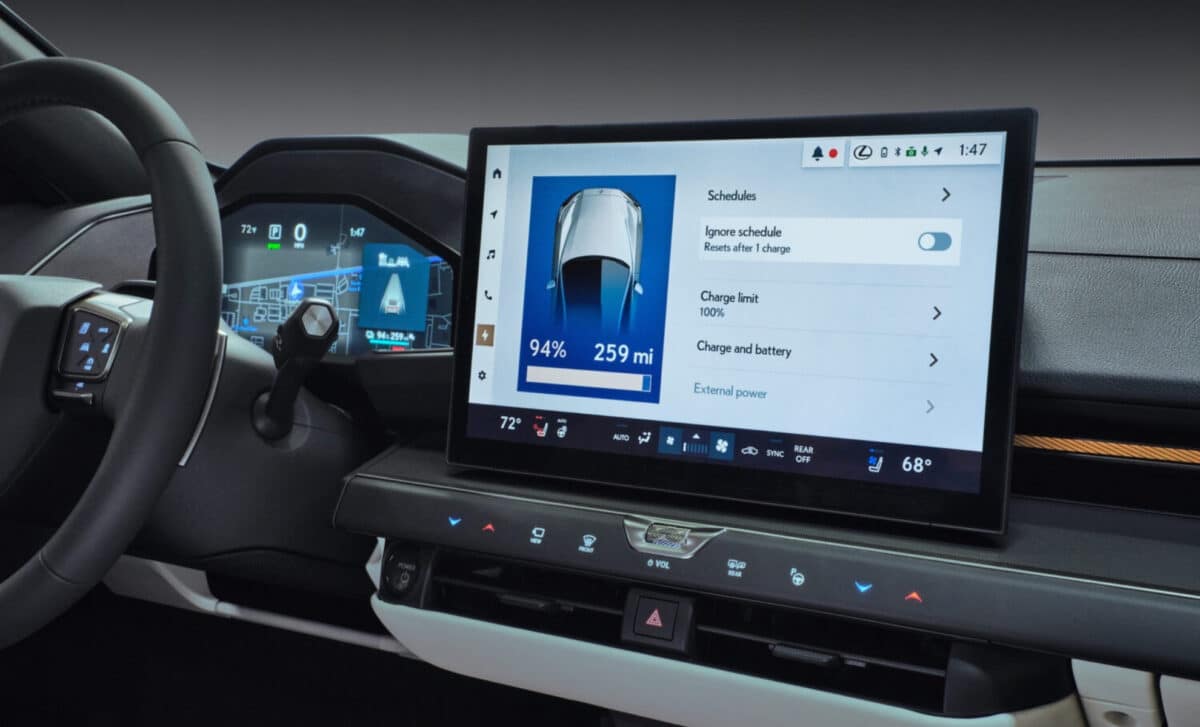
The feature will be available through an active Drive Connect trial or subscription and will operate both on the vehicle’s infotainment screen and through the Lexus smartphone application. Lexus says drivers will be able to access an EV Range Map capable of calculating optimal driving routes, automatically inserting charging stops, and estimating remaining battery percentage upon arrival at a destination.
Arene Software Platform Brings Expanded Navigation Tools
The 2026 ES is one of the first Lexus models to receive Toyota’s new Arene software platform. According to InsideEVs, the platform enables a fully integrated EV routing system similar to those already available in vehicles from Tesla, Rivian, General Motors, and Nissan.
Drivers will be able to view charging station names, addresses, operating hours, charger categories, and real-time charger availability. The system will also display maximum charging output measured in kilowatts. One-touch access to nearby charging stations is integrated directly into the navigation interface, while charging stops can also be added before departure.
Lexus confirmed that charger information will include Level 1, Level 2, and DC fast chargers. The navigation system is intended to continuously manage route calculations based on charging needs during travel.
Lexus Updates Infotainment and Voice Controls
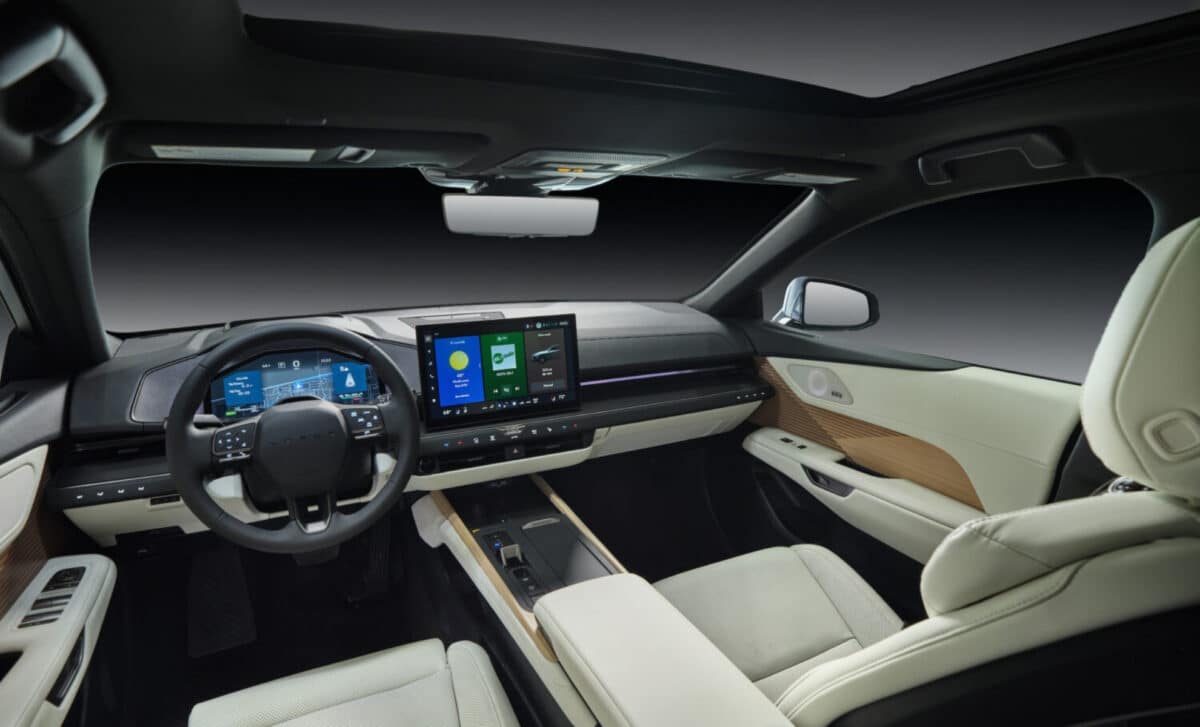
The Arene platform also introduces a redesigned infotainment experience inside the ES. Lexus says the updated interface includes customizable widgets, reorganized functions, and a more responsive operating system intended to simplify interaction with in-vehicle controls.
The system was first tested in the 2026 Toyota RAV4, where it was described as significantly more advanced than previous Toyota infotainment generations. The interface adopts a layout compared to smartphone-style navigation, with cleaner menus and simplified access to core functions.
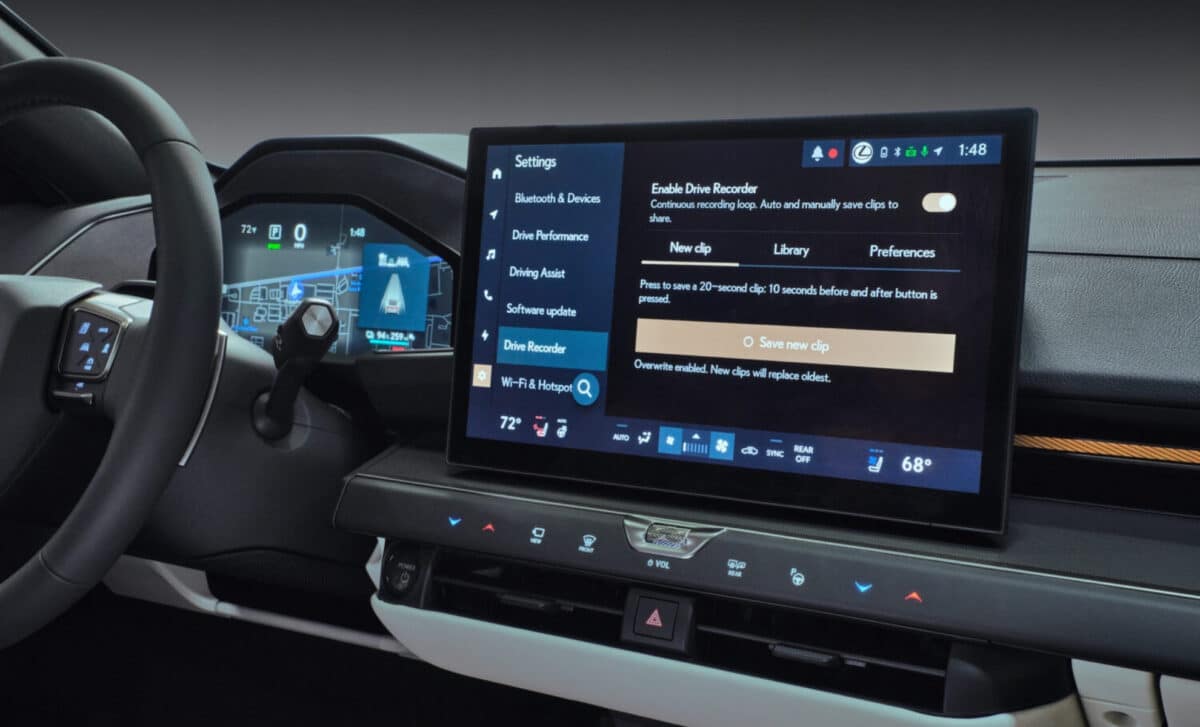
A new conversational voice assistant is also part of the package. The assistant can manage climate settings, audio controls, trip information, and volume adjustments without requiring fixed voice commands. Lexus also confirmed the addition of a native dash cam system first introduced on the 2026 Toyota RAV4.
The camera records continuously in loops, allows manual footage capture, and automatically flags incidents detected through hard braking, impacts, or airbag deployment. Footage can be downloaded to a USB device.
The 2026 ES Combines Software Updates With Familiar Hardware
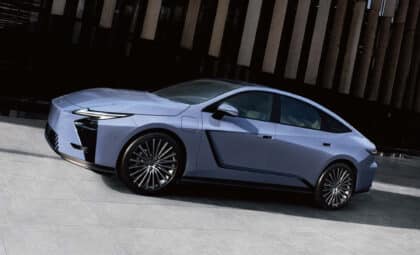
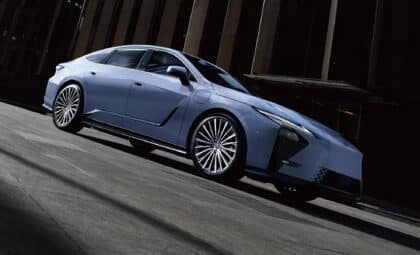
Beyond the software additions, Lexus also detailed several technical specifications for the ES 350e. The electric sedan is equipped with a 74.7-kilowatt-hour battery pack shared with other Toyota Group EVs, including the Lexus RZ, the refreshed Toyota bZ, and the Toyota C-HR.
The ES 350e delivers an EPA-estimated range of up to 307 miles. The vehicle is positioned as a more premium offering within Toyota’s EV lineup, with a more upscale interior and availability in both front-wheel-drive and all-wheel-drive configurations.
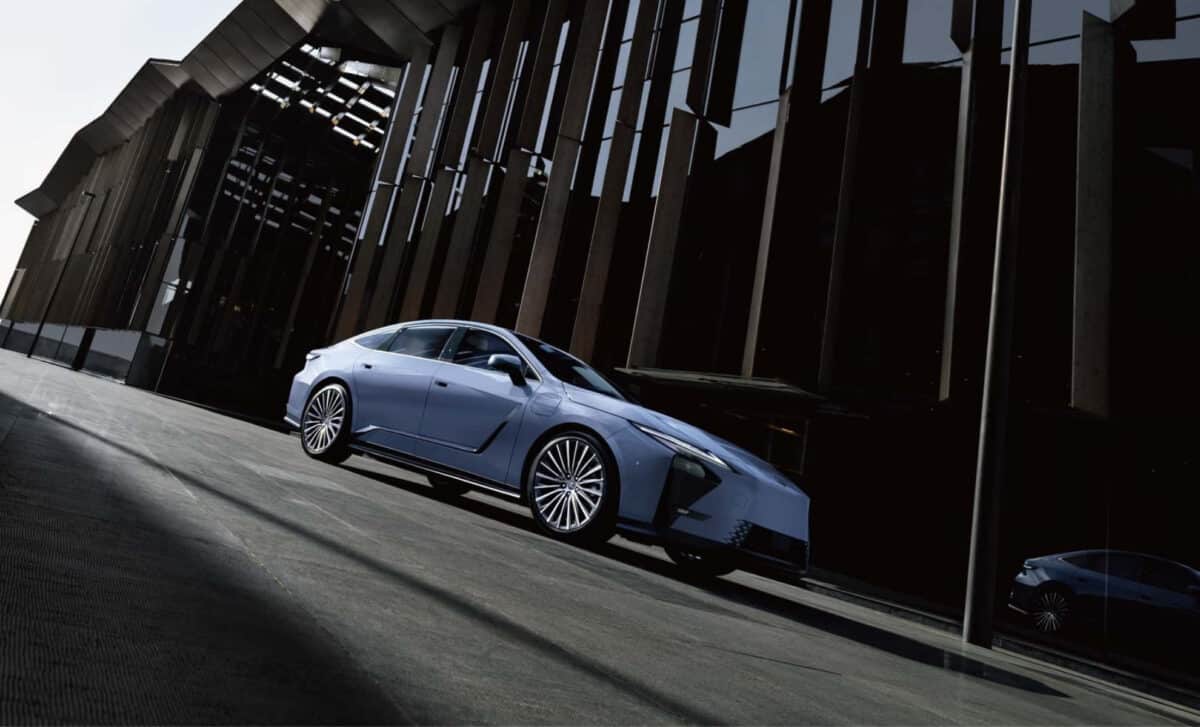
The model starts at $49,000 before destination charges. Neither the updated Toyota C-HR nor the Lexus RZ included the EV Routing feature during testing earlier this year, even though the functionality is now debuting on the ES through the Arene platform.