

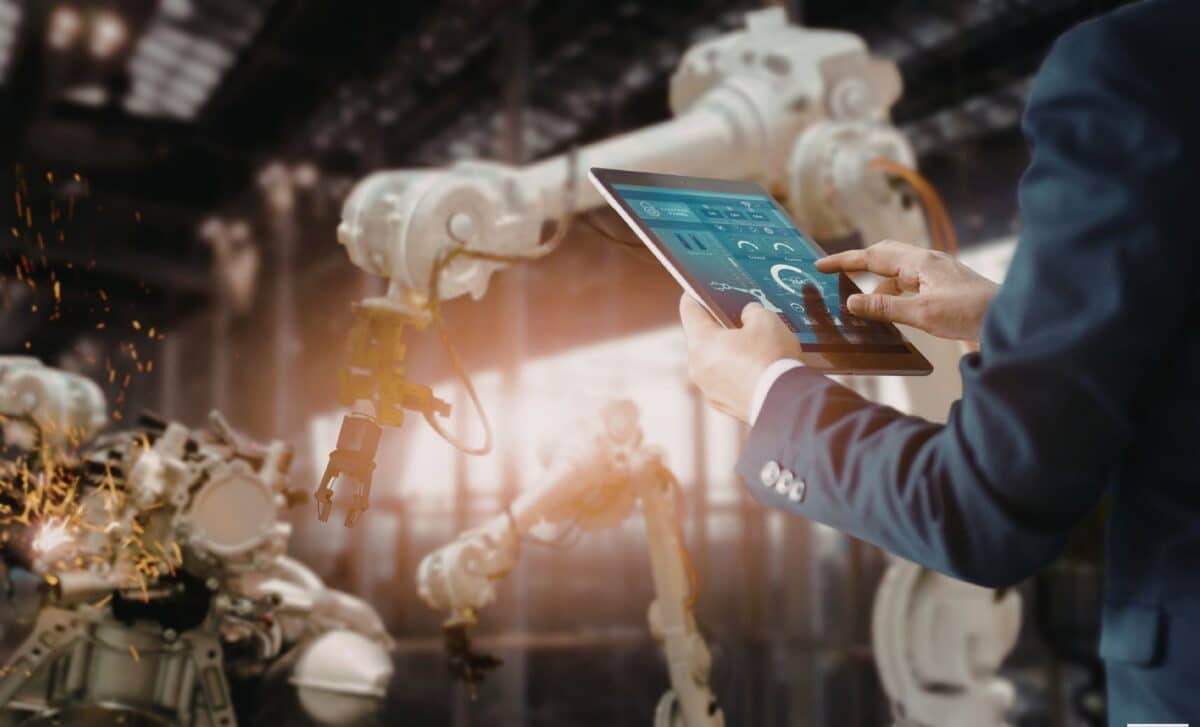
Automakers have steadily expanded the amount of technology integrated into new cars over the past decade. What used to be limited to luxury sedans now appears in SUVs, pickups, and mainstream passenger vehicles. These additions are often designed to improve safety, reduce driver fatigue, or enhance comfort, though they also introduce more electronic systems and fragile hardware into everyday driving.
Many of these features depend on expensive parts, complex diagnostics, and labor-intensive repairs that can significantly increase ownership costs over time. Windshield replacements, mirror repairs, or suspension work that were once relatively straightforward can now require recalibration procedures, proprietary components, or complete disassembly of interior parts.
Massaging Seats And Adaptive Suspensions Increase Mechanical Complexity
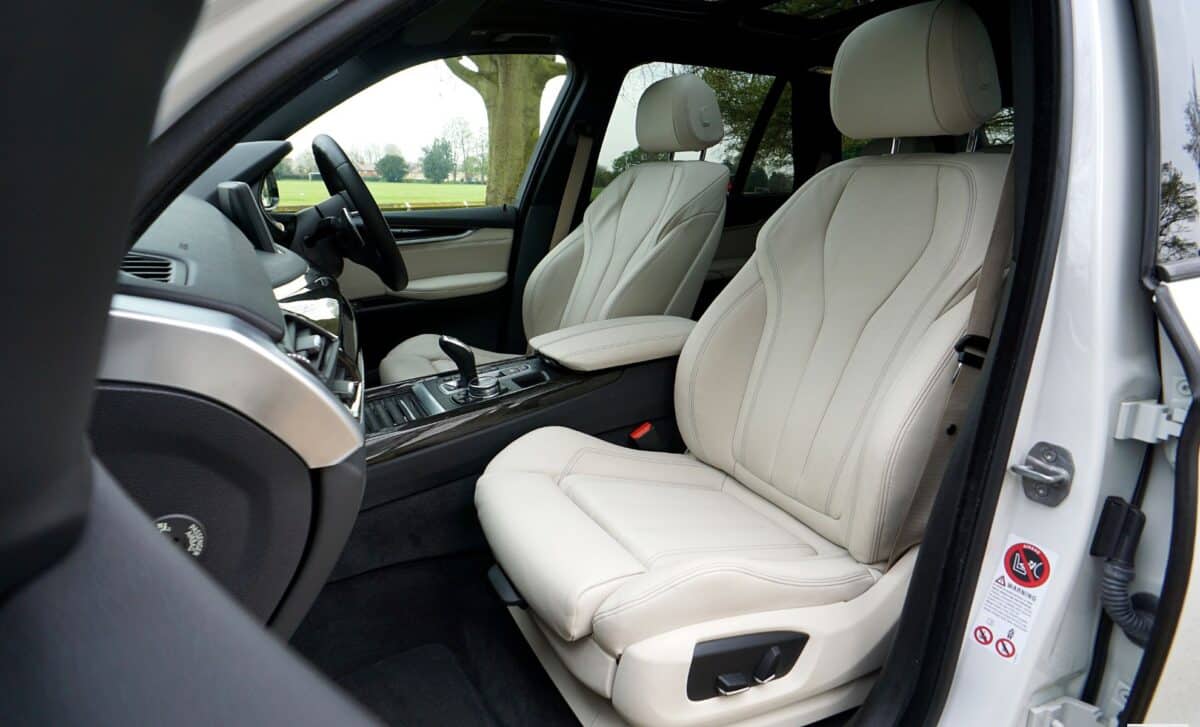
Massaging seats, also referred to as “multi contour” or “active motion” seats, use intricate systems of actuators or inflatable air bladders to create movement designed to improve circulation and reduce fatigue during long drives. These seats can offer more than a dozen adjustment points and rely on multiple internal mechanisms hidden beneath the upholstery.
When failures occur, repairs often involve extensive diagnostic work. Technicians may need to inspect air lines for leaks or dismantle the entire seat assembly to access damaged components. Labor costs alone can become substantial before replacement parts are even considered.
Adaptive suspension systems present another costly area of concern. Modern vehicles, particularly heavier SUVs and trucks, increasingly rely on air suspensions, electronically controlled dampers, or magnetically adjustable shocks to maintain ride comfort and handling. These systems continuously adapt to road conditions in real time.
Some components, including airbags used within suspension setups, can disable the vehicle entirely if they fail. The sophistication of these systems also raises long-term maintenance costs compared with more traditional suspension designs.
Windshields And Cameras Have Become Central To Vehicle Safety Systems
Many modern vehicles now use head-up displays that project information such as speed and navigation instructions directly into the driver’s line of sight. While the projector itself is relatively simple, the system depends on specially coated windshields capable of reflecting the display image properly.
According to MotorTrend, these windshields can cost significantly more than conventional glass. Owners have also reported difficulties obtaining compatible aftermarket replacements or dealing with blurred and distorted projections after installation.
The windshield now plays another major role in advanced driver assistance systems. Cameras mounted near the top of the glass monitor surrounding traffic and support features including adaptive cruise control, lane-keeping assistance, and automated emergency braking.
Even slight changes in windshield alignment after replacement can interfere with how these cameras interpret light and distance. This requires mandatory recalibration procedures using specialized equipment. In some situations, recalibration may need to be repeated if technicians are unfamiliar with a specific vehicle model.
External sensors mounted in bumpers and grilles add another layer of expense. Radar and sonar systems used for parking assistance, blind-spot monitoring, and cruise control are especially vulnerable during low-speed collisions. A 2023 AAA study found that ADAS sensors accounted for roughly one-third of accident repair costs.
Displays, Mirrors, And Monitoring Systems Create Expensive Electronic Repairs
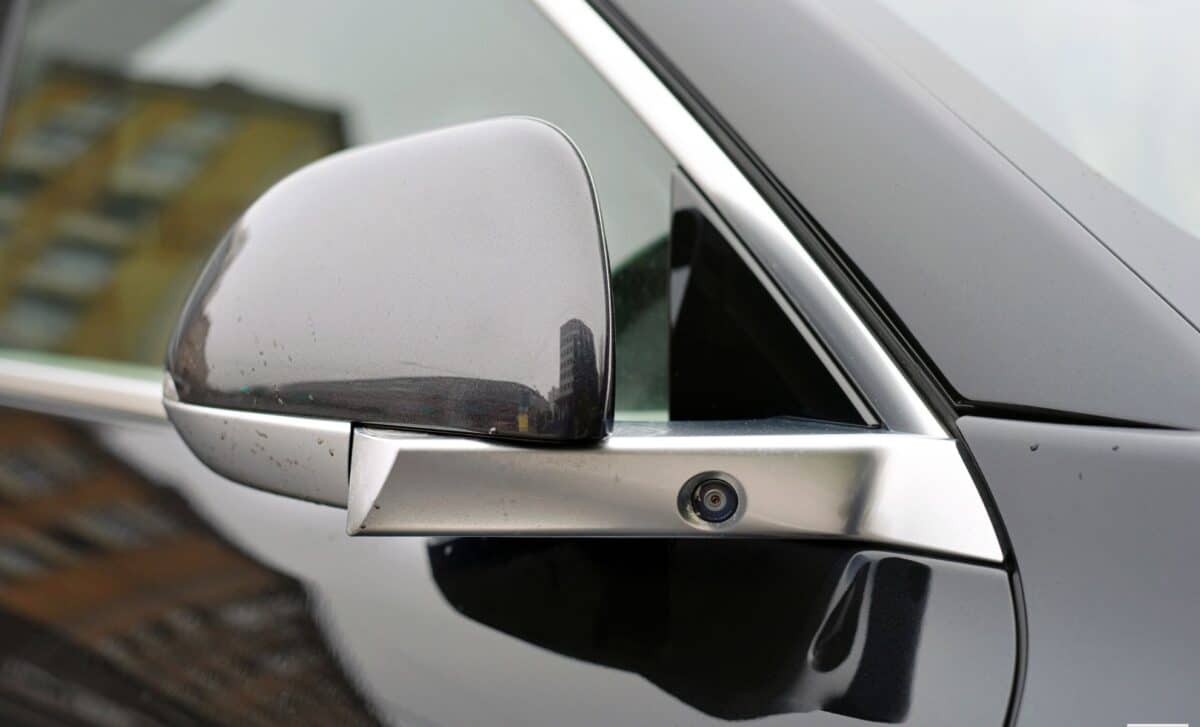
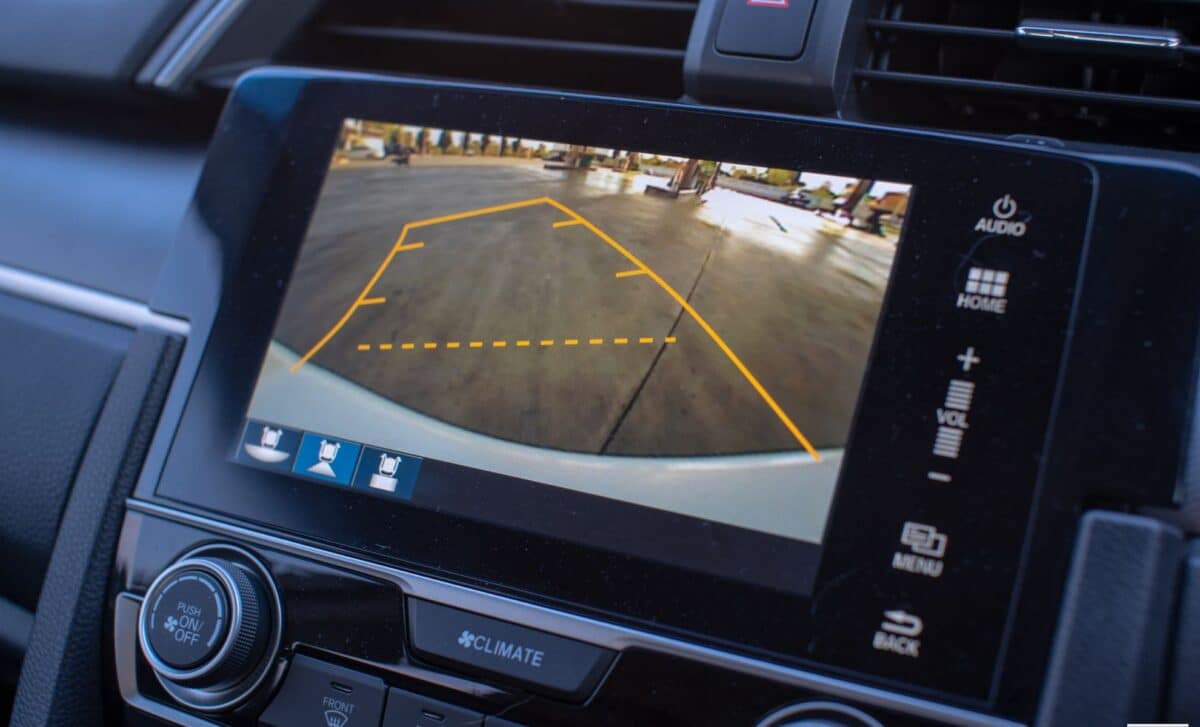
Surround-view camera systems are becoming more common across new vehicles. These systems combine feeds from multiple external cameras to generate a 360-degree view around the car, while some models also display adjacent lanes during turns.
The cameras are commonly mounted in side mirrors, grilles, or trunk lids, all of which are exposed to impacts. Even relatively minor incidents involving mirrors or body panels can become expensive once camera replacements and recalibrations are required.
Attention monitoring systems represent another growing source of repair complexity. These systems use cameras or LED-based sensors aimed at the driver’s face to detect distraction, fatigue, blinking, or yawning. Some hands-free driving systems rely entirely on these monitoring functions and may deactivate if the cameras stop working.
Repairing these systems can involve removing dashboard sections or dismantling steering column components to replace damaged hardware.
Large LCD displays also contribute to rising repair costs. Some vehicles now centralize nearly every function through oversized touchscreen panels spanning large sections of the dashboard. When these screens malfunction, replacement is often the only option.
Supply chain disruptions during the COVID era left some owners unable to obtain replacement display components. Since many systems use custom-designed screens with little aftermarket support, availability may become increasingly difficult once manufacturers discontinue production. Installation itself can also require substantial labor due to the size and integration of these displays.