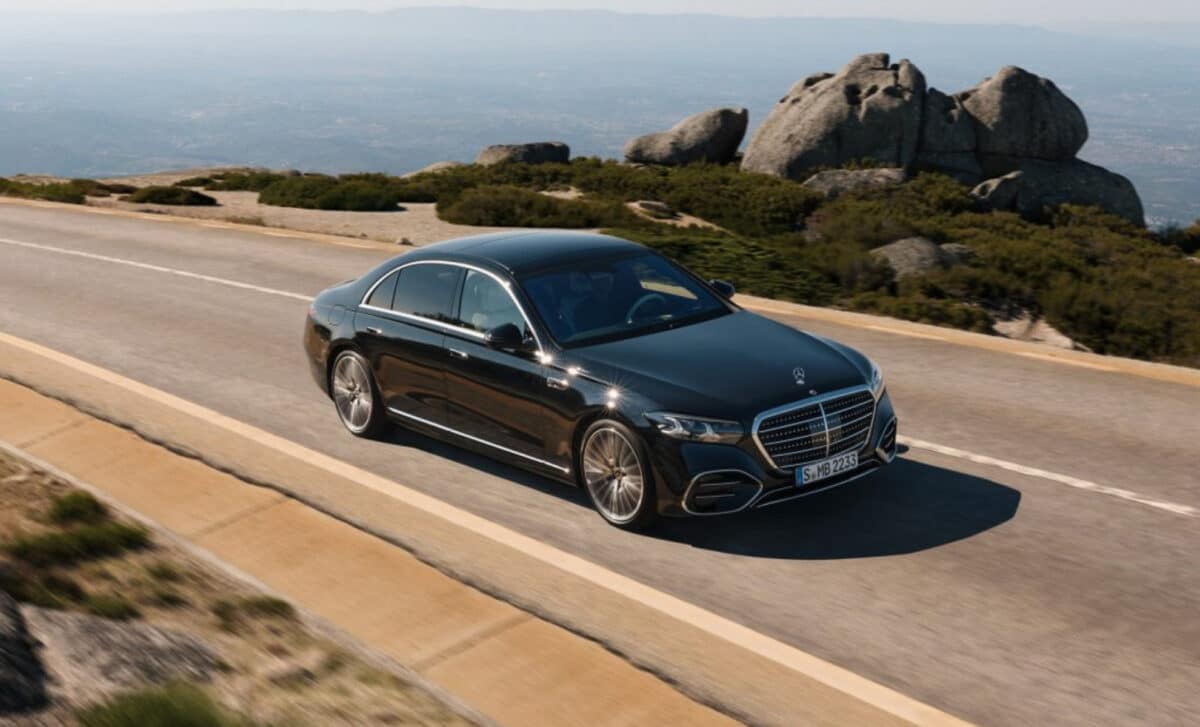
Mercedes-Benz is one of the most established luxury car brands in the U.S. market, selling vehicles ranging from the CLA to the Mercedes-Maybach S-Class. The company also operates major manufacturing facilities in the country, helping it reduce exposure to tariffs that affect imported vehicles.
The issue now under discussion is not related to market competition or production capacity. Instead, it stems from proposed legislation that seeks to limit business ties involving companies connected, directly or indirectly, to governments such as China, Russia, and North Korea.
A Proposed Law Targeting Foreign-Adversary Ownership Ties
According to CNBC, the Motor Vehicle Modernization Act of 2026 would prohibit automakers with certain links to foreign-adversary governments from importing, selling, or manufacturing vehicles for the U.S. market.
The proposed restrictions would remain in force for five years. The legislation would apply to companies with direct or indirect equity interests held by governments designated as foreign adversaries, including China, Russia, and North Korea.
At this stage, the measure has not become law. The bill has advanced through a House committee, while no companion legislation has yet been introduced in the Senate.
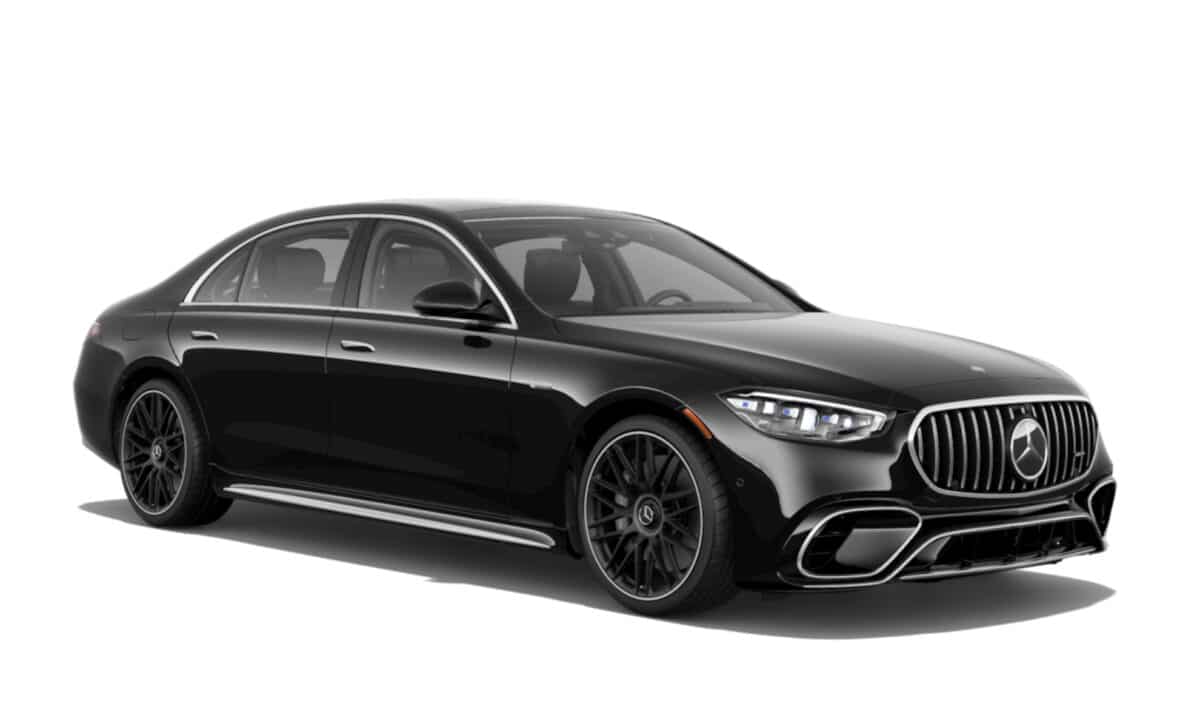
Mercedes-Benz’s Ownership Structure Places It Above the Proposed Threshold
The concern for Mercedes-Benz is tied to its shareholder composition. According to Autoblog, Chinese state-owned automaker BAIC owns a 9.98% stake in Mercedes-Benz.
Another significant shareholder is Li Shufu, the founder of Geely, who holds 9.69% of the company through Tenaciou3 Prospect Investment.
Combined, those holdings represent 19.67% of Mercedes-Benz shares. That figure exceeds the 15% threshold outlined in the proposed legislation, placing the automaker within the scope of the bill as currently written.
A Major U.S. Presence With Significant Local Operations
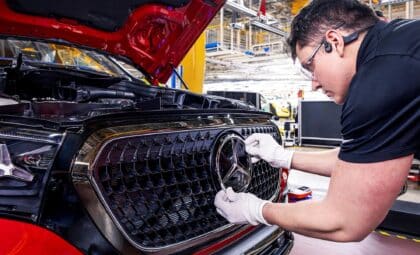
Mercedes-Benz maintains extensive operations in the United States. Similar to BMW, the company produces many of its crossover and SUV models domestically at its plant in Tuscaloosa, Alabama.
The facility has been operating since 1997 and has produced more than five million vehicles. The United States is also Mercedes-Benz’s second-largest market.
According to CNBC, the legislation could still undergo revisions, and the report noted that Mercedes-Benz may not be the primary target of the proposal. The debate comes as Chinese automakers continue expanding internationally. Some manufacturers have already established operations in Mexico and Canada, while Canada permits limited imports of Chinese electric vehicles under certain trade arrangements.
Supporters of the bill argue that it could reduce Chinese influence, address national security concerns, and support domestic manufacturing. For now, the legislation remains under consideration, and its final form has yet to be determined.