
The shift comes as Nissan aims to reinvigorate its brand, with CEO Ivan Espinosa’s bold statement that “Nissan is back.” The company has been undergoing a significant transformation, scaling down its product offerings from 56 models to 45, focusing on more strategic and passionate projects.
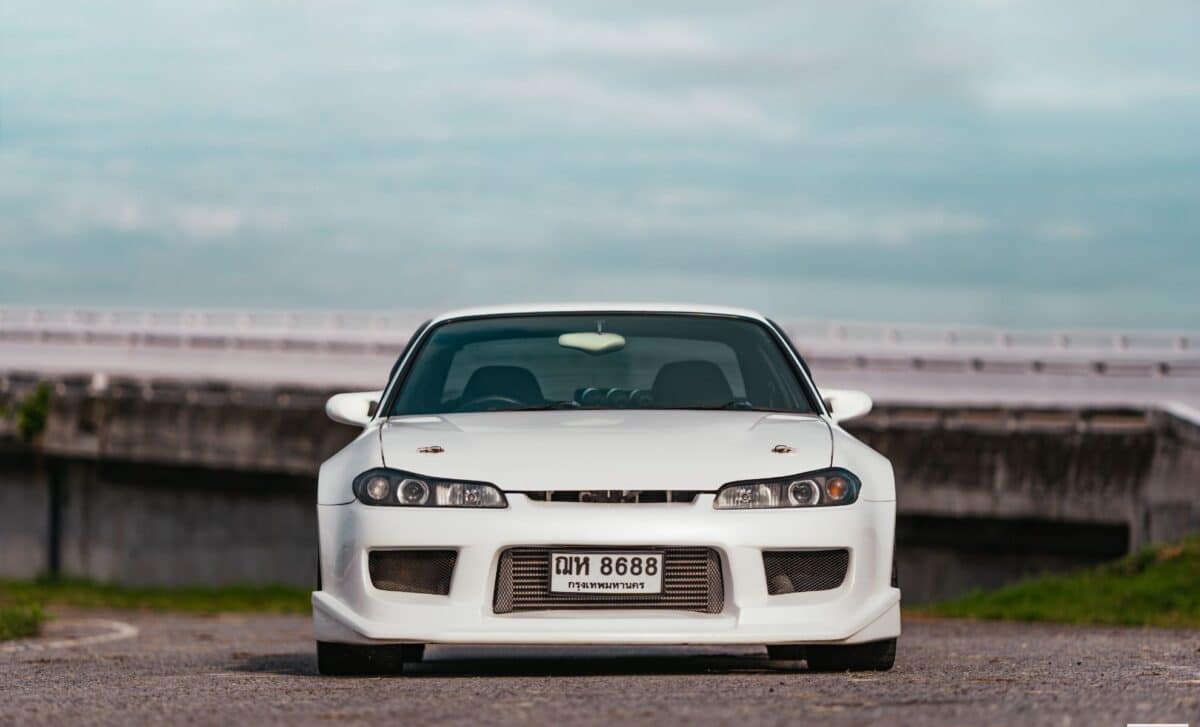
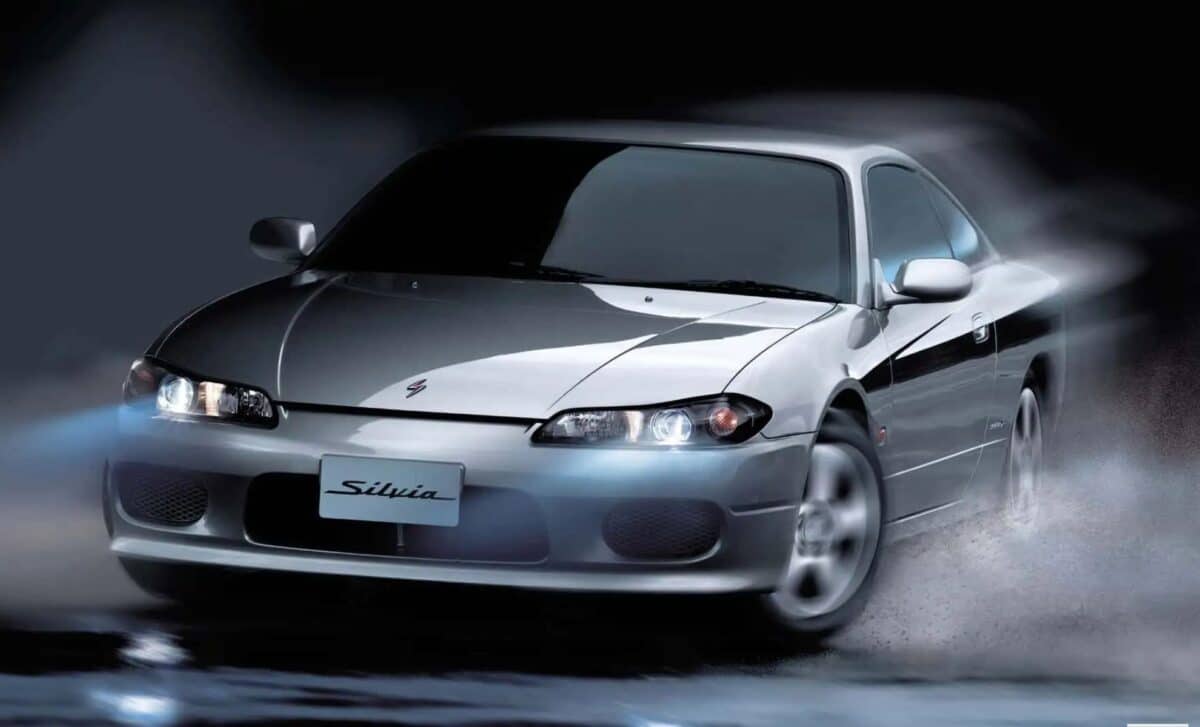
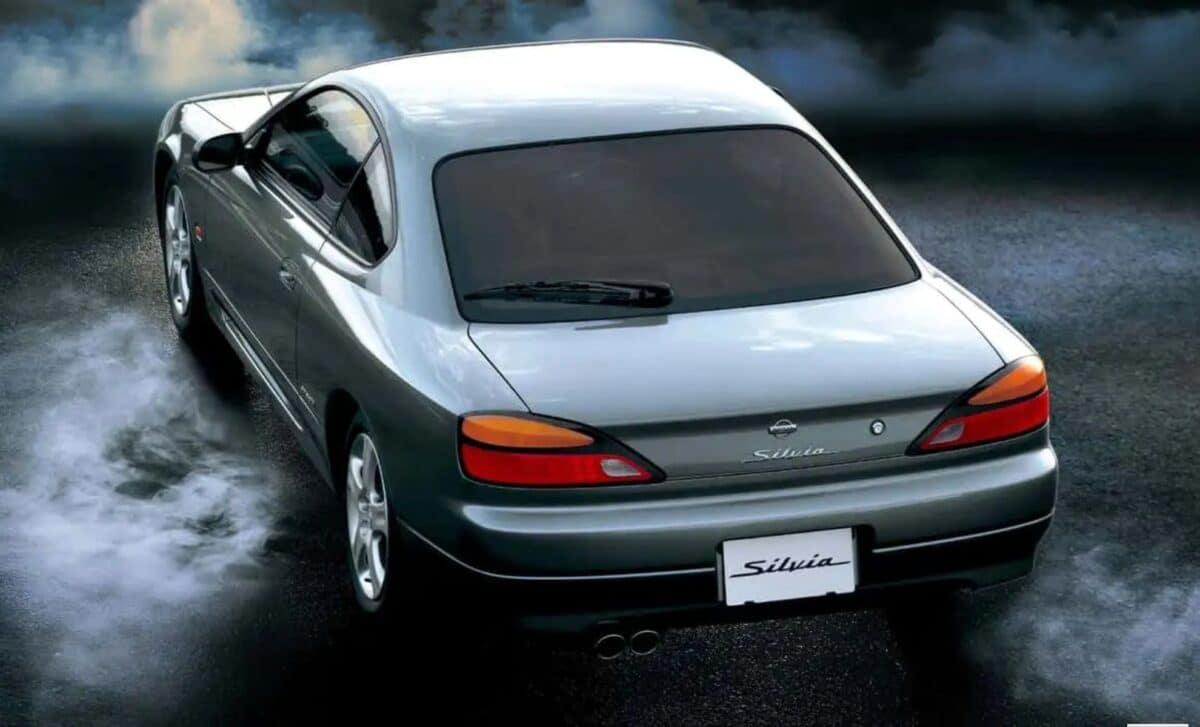
Richard Candler, Nissan’s global corporate product strategy head, emphasized the importance of the Silvia nameplate, noting his personal connection to it as the first car he ever bought. As part of the company’s broader turnaround plan, the return of sports cars like the Silvia and Z could help revitalize Nissan’s identity.
Reviving The Silvia: A Nostalgic Return
For Nissan enthusiasts, the Silvia is a name that evokes powerful memories. Richard Candler expressed a deep desire to bring back this iconic model. “My first car was a Silvia,” Candler explained to The Drive, recalling how he purchased it while living in the UK. “I’d love to bring back that nameplate,” he added. According to Candler, the model has significant value, and with the success of the Z and Skyline models, the Silvia would fit seamlessly into Nissan’s revamped sports car lineup.
Nissan’s decision to focus on accessible pricing and solid positioning for the Silvia reflects a commitment to balancing enthusiast desires with market realities. While the Silvia’s return is a priority, it is clear that Nissan is not rushing to resurrect it without a solid strategy in place. The company wants to ensure it reaches the right audience and can continue to compete with other brands in the same segment.
Shrinking The Lineup For Bigger Gains
As Nissan strives to build a more focused product lineup, it has made the decision to cut low-performing models. This decision is part of a larger strategy to reduce its portfolio from 56 to 45 vehicles, while concentrating efforts on its core models. Candler acknowledged that eliminating underperforming cars would free up resources for more “passion projects” like the Silvia and potentially other future models. By reducing costs associated with keeping less popular cars on the market, Nissan hopes to reinvest that capital into products that are likely to excite both customers and enthusiasts.
The overall restructuring aims to make Nissan more agile and competitive, while still offering models that hold significant value. Candler explained that the company was looking back at what worked and what didn’t, ensuring that the resources they devote to new vehicles make sense from both a business and an emotional standpoint. The focus on “passion projects” shows that Nissan is determined to rekindle its legacy as a brand with a strong performance car lineup.
Nissan’s Passion For Sports Cars: More Than Just The Silvia
Nissan’s commitment to sports cars doesn’t stop with the Silvia. Candler and Espinosa both emphasized that performance vehicles are at the core of Nissan’s identity. “Sports cars are the core of what we are as a company,” Espinosa stated earlier this year. With the success of the Z and the anticipated return of the Skyline, it is clear that Nissan is committed to re-establishing its position as a leader in the performance car segment.
Candler hinted that Nissan is also exploring other exciting possibilities for its sports car lineup, with the ambition to develop even smaller models. However, he did not specify which vehicles might emerge from this vision. Given Nissan’s history of creating memorable sports cars, enthusiasts are eager to see how the company will continue to innovate in this space. While the revival of the Silvia is a key component, it may just be the beginning of a broader revival of Nissan’s performance-focused models.