
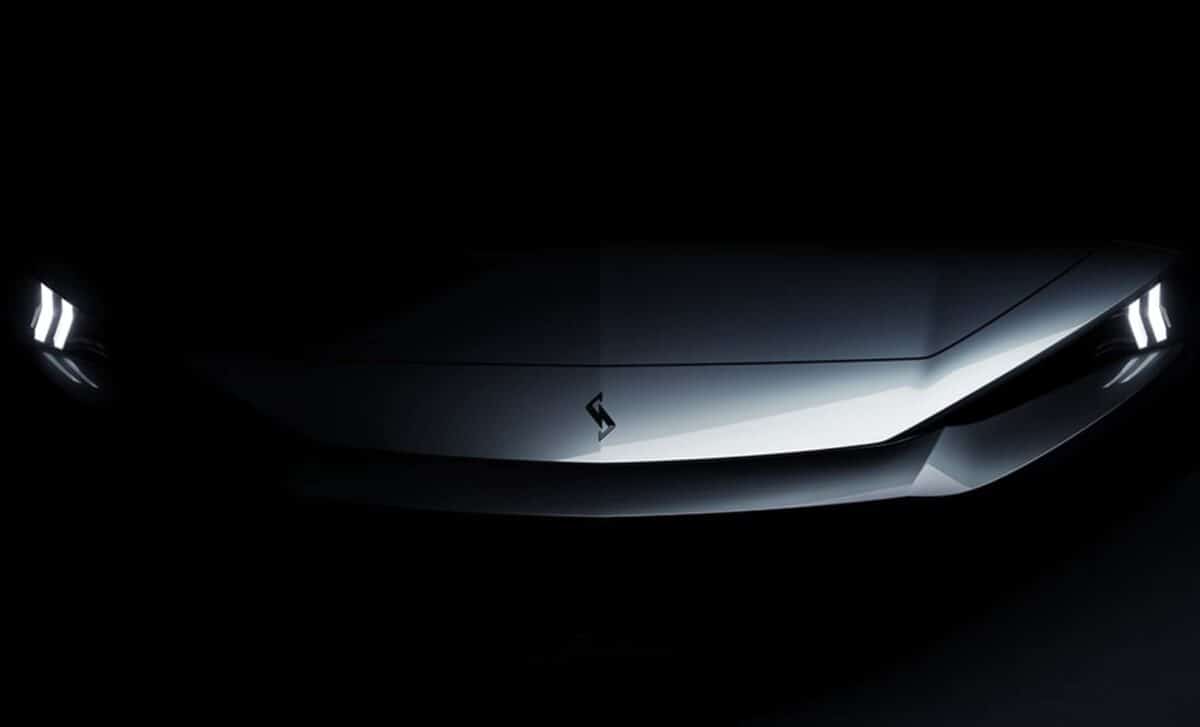
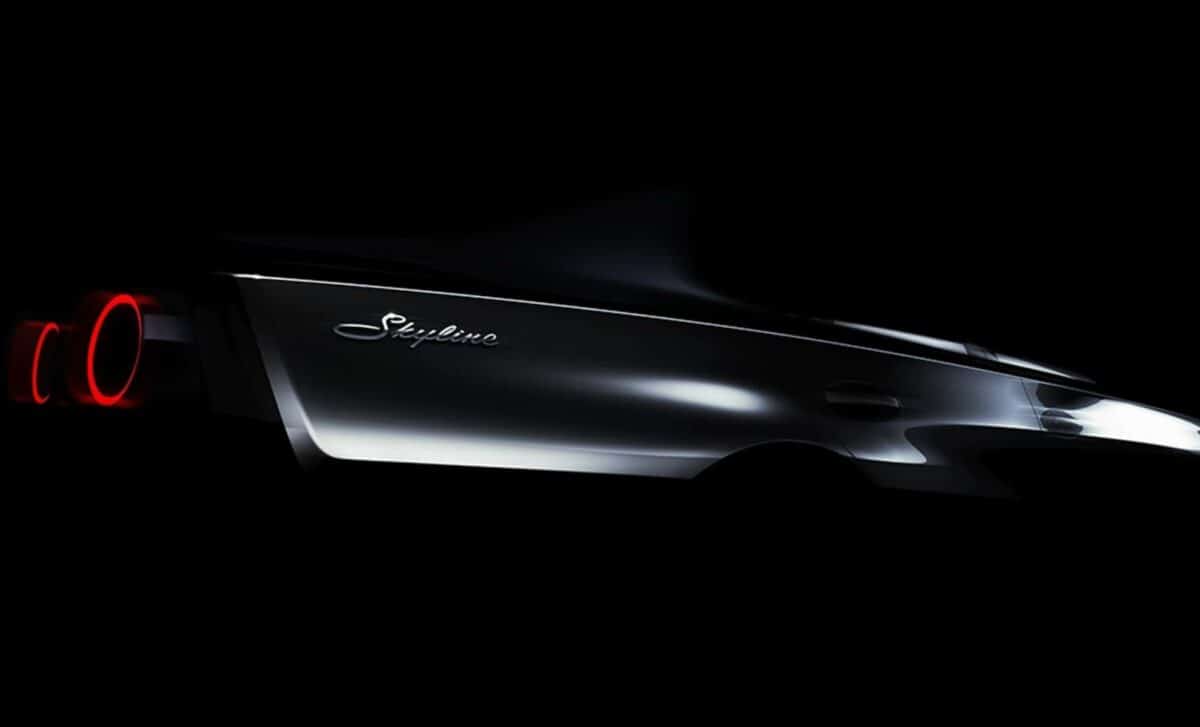
The Skyline nameplate is approaching its 70th anniversary, with Nissan having sold vehicles under the badge since 1957. Over the decades, the lineup has included a wide range of body styles, from sedans and coupes to pickups and a crossover. The outgoing thirteenth-generation Skyline was offered exclusively as a sedan, and its successor will retain a four-door sedan layout with a conventional trunk.
Nissan first previewed the new Skyline in April. The model will replace the V37-generation car, which was introduced in 2014 and has remained on the market for more than a decade. Nissan CEO Ivan Espinosa confirmed that the official unveiling will take place sometime this winter.
Development Time Cut from 55 Months to 26 Months
One of the most notable aspects of the new Skyline is the speed at which it was developed. The outgoing Skyline required approximately 55 months of engineering work, while the replacement is being finalized in only 26 months.
Ivan Espinosa attributed the reduction in development time to the use of artificial intelligence and expanded digital tools throughout the design, testing, and manufacturing processes. Speaking to Nikkei Asia, he said:
“A big part of this is built on AI capabilities and the utilization of new tools, more digital tools in the design phase, in the testing phase, in the manufacturing phase.”
The upcoming Skyline will be Nissan’s first model to follow this shortened development approach.
Infiniti Will Sell Its Own Version in North America
The new Skyline will not be marketed in North America under the Nissan brand. Instead, it will be sold as an Infiniti model, continuing a relationship that has linked previous Skyline and Infiniti products.
The vehicle could carry the Q50 name and is expected to feature rear-wheel drive and a manual gearbox, a possibility previously suggested by Tiago Castro, vice president of Infiniti Americas.
Insider claims cited by the publication indicate that the car may use the twin-turbocharged VR30DDTT V6 engine already found in the Nissan Z. In the manual Nismo version of the Z, that engine produces 420 horsepower and 384 lb-ft (520 Nm) of torque. The report also notes that Nissan could offer all-wheel drive and an automatic transmission alongside the rear-wheel-drive configuration.
Design Direction and the Future of The GT-R
While waiting for the winter debut, Nissan has already provided some indications regarding the Skyline’s styling. Alfonso Albaisa, Nissan’s global design director, described the exterior as being “inspired by the past” without becoming a “retro styling exercise.”
The new model is expected to appear “aggressive and modern, with proportions that recall the original, but with a design that looks ahead.”
The Skyline will not replace the GT-R R35. During the same interview, Ivan Espinosa confirmed that Nissan is developing a successor to the GT-R. He said the company would “share more details later on.” Richard Candler, Nissan’s Corporate Executive of Family, Product & Components, previously indicated that the future GT-R will continue to use a combustion engine.
Beyond the Skyline and the future GT-R, Nissan is preparing additional new products. The company is planning the return of the Xterra and Terrano as body-on-frame SUVs, while Infiniti is developing several new vehicles, including a midsize hybrid SUV and two large ladder-frame hybrid SUVs. Nissan hopes that a faster development process and a broader range of new products will help renew its lineup in the years ahead.