
Despite years of bold predictions about the end of the combustion era, ICE vehicles still dominate global car sales. According to the European Automobile Manufacturers’ Association, electric cars accounted for only 17.4 percent of total new car sales in the European Union in 2025, one of the world’s most EV-friendly markets. Stellantis, Peugeot’s parent group, has already scaled back its earlier ambitions to go fully electric sooner rather than later.
It is against that backdrop that Peugeot is introducing a genuinely new internal combustion engine in 2026, something increasingly rare in an industry pivoting toward electrification. The Turbo 100 replaces the problematic PureTech designation, which had become a serious source of concern for owners, with a more straightforward name and, more importantly, a more reliable architecture.
A Timing Chain to Put the PureTech Saga Behind
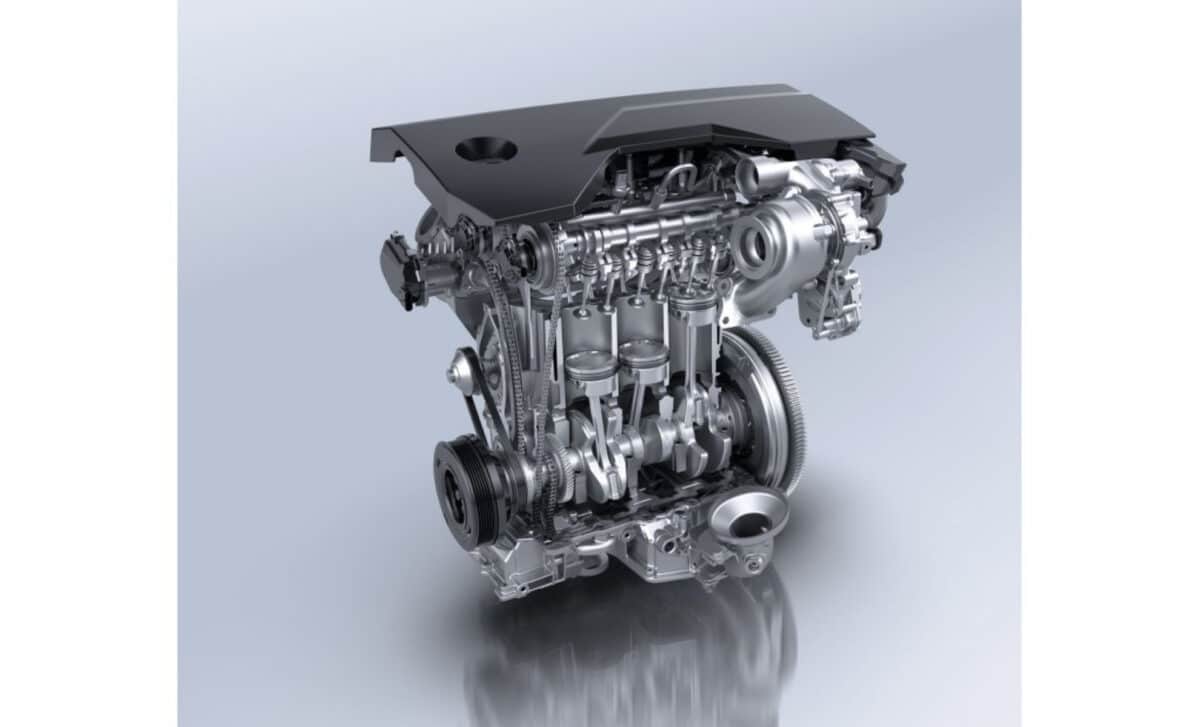
The most critical change in the Turbo 100 is the switch from a wet belt, which ran immersed in oil and was the source of widespread reliability complaints, to a timing chain. The engine remains a 1.2-liter, three-cylinder unit, but Peugeot says it is about 70 percent new, with updates to major components such as the cylinder block, turbocharger, and injection system.
To back up those claims, the manufacturer reports that prototype engines logged 30,000 hours on test benches. Test vehicles accumulated more than three million kilometers, roughly 1.86 million miles, in real-world conditions, with some covering over 200,000 km individually. Peugeot’s message is simple: the reliability issues have been resolved.
Miller Cycle, Variable Turbo and a New Valve Timing System
On the technical side, the Turbo 100 operates on the Miller cycle to improve thermal efficiency through a higher compression ratio. Engineers also developed a new valve timing system aimed at reducing internal friction, and fitted the engine with a variable-geometry turbocharger to enhance low-end response.
The unit produces 100 horsepower at 5,500 rpm and 151 pound-feet of torque, 205 Newton-meters, available from 1,750 rpm. As Motor1 notes, those figures won’t set pulses racing. Reassuring buyers on reliability, not chasing performance headlines, is clearly the priority here.
A Phased Rollout as EU Combustion Rules Get Softer
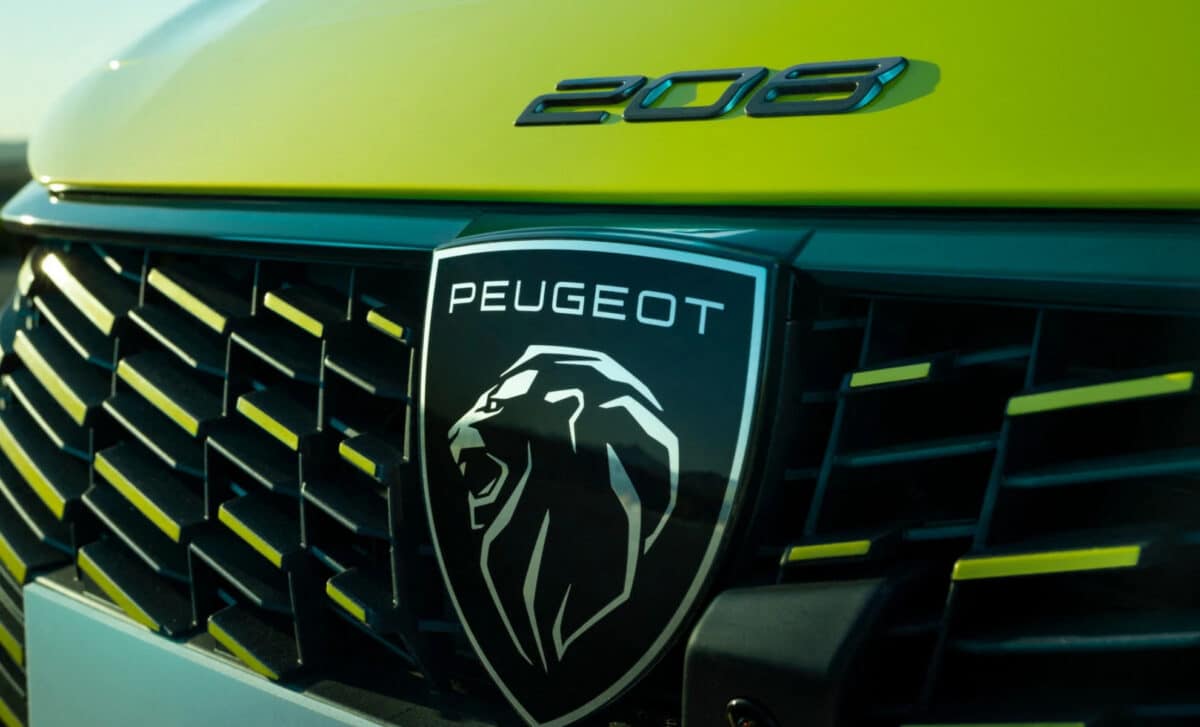
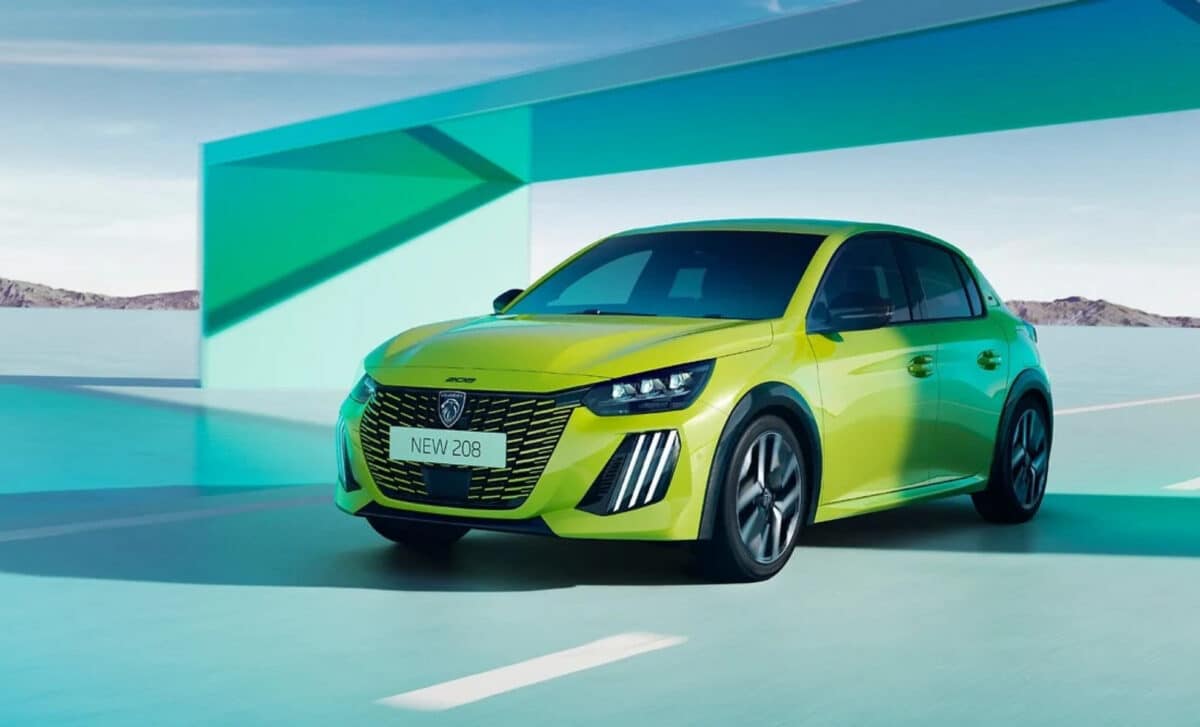
The Turbo 100 debuts this month in the Peugeot 208 supermini in Europe, with the 2008 crossover set to follow in May. The launch comes as the EU’s 2035 ban on new combustion-engine car sales has already been softened: automakers must still cut fleet emissions by 90 percent compared to 2021 levels, but the adjustment gives Stellantis and others more room to keep some ICE-powered models on sale beyond the middle of the next decade.
Pricing remains another factor. Most gasoline cars are still significantly cheaper than comparable electric models, and with EV charging infrastructure still unevenly rolled out, the combustion engine clearly has some road left to travel.