
This seemingly simple task, once a staple of winter car care, may no longer be necessary—or even advisable—with modern vehicles. As cars evolve, so do the best practices for maintaining their batteries.
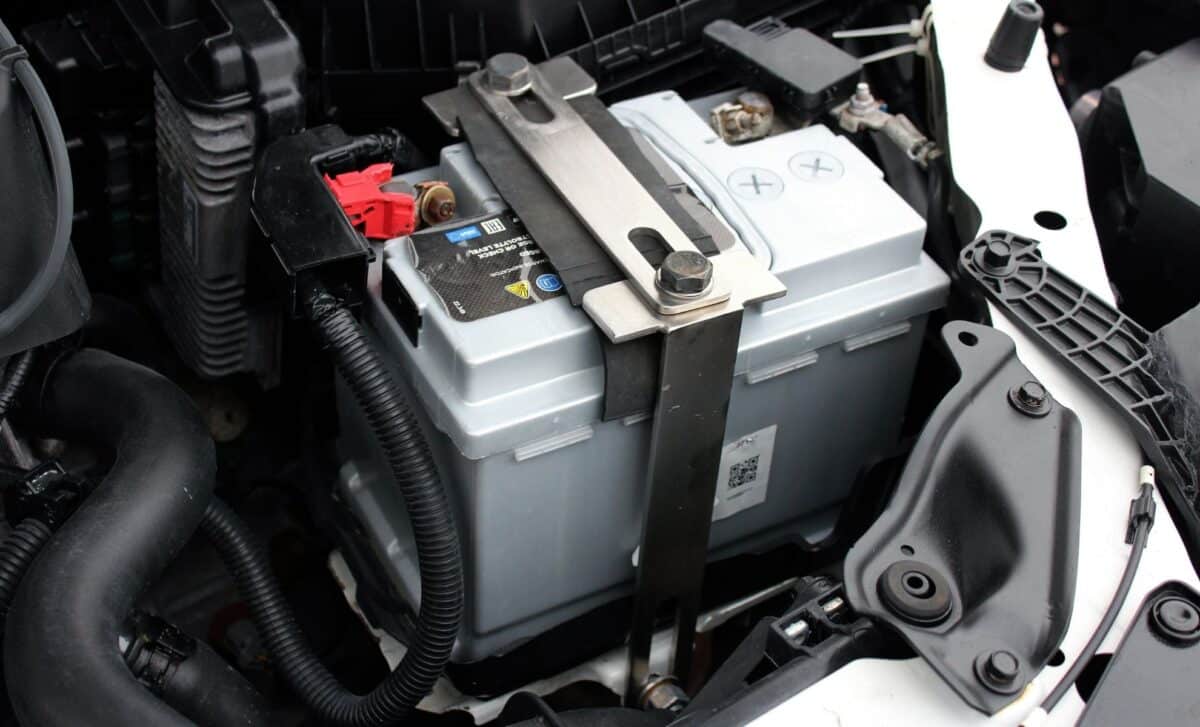
Many motorists have long believed that disconnecting the battery during the winter months prevents it from losing charge due to cold weather or parasitic power drains. However, this advice, passed down from previous generations, might not be relevant today. Modern cars are equipped with sophisticated electronics that make this practice more of a hassle than a help.
The Myth of Disconnecting the Battery
The traditional rationale for disconnecting a car’s battery stems from the idea that it stops small electrical components like the dashboard clock, the alarm system, or the on-board computer from draining power when the car is not in use. These so-called “vampires” can slowly drain the battery over time, especially in long periods of disuse. However, this idea was more suited to older car models with simpler electrical systems.
But according to experts, disconnecting the battery on a modern vehicle can lead to more problems than it solves. Cars today are designed with many systems that rely on constant power to function properly. Disconnecting the battery can reset settings, erase radio presets, and require you to reprogram the car’s onboard computer. In some cases, disconnecting the battery may even disable important safety features like the car’s alarm system. The inconvenience of having to reconfigure all these settings can outweigh any potential benefits.
What’s Worse: Locked Doors and Lost Settings
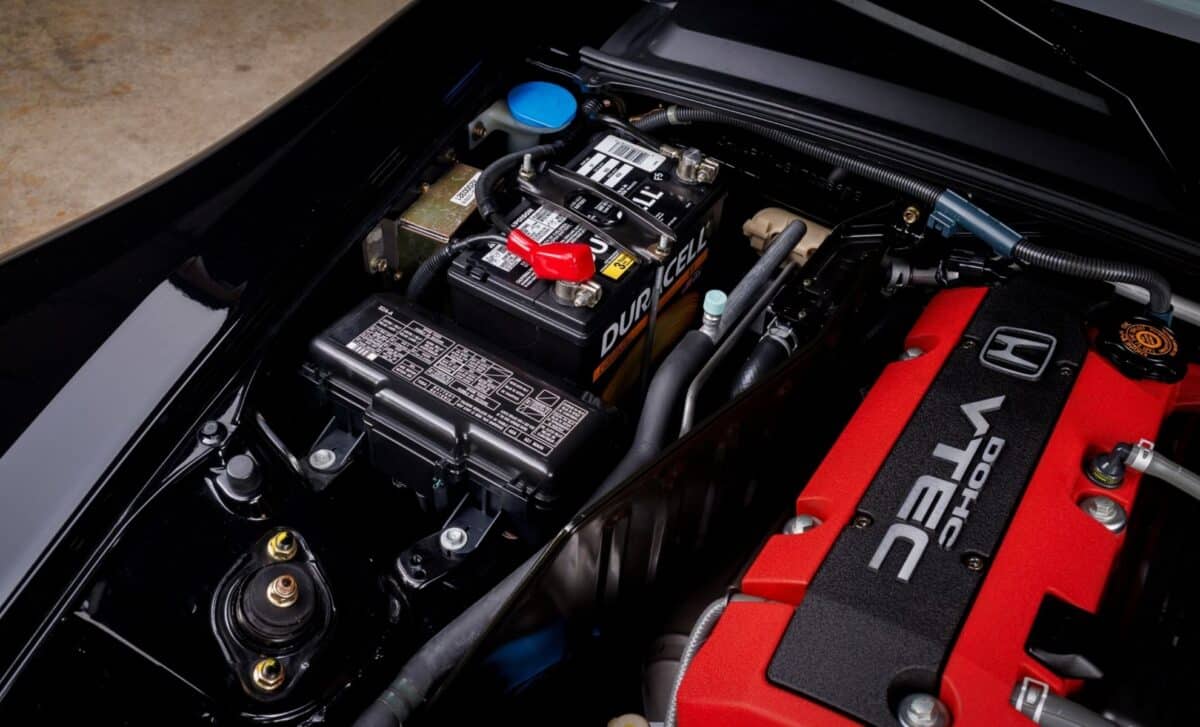
Disconnecting the battery on some modern cars can cause more significant issues, such as locking the doors electronically or losing critical driving data. Vehicles equipped with complex electronic systems may require their onboard computers to relearn the driver’s habits after the battery is reconnected.
This can cause frustration, as you might need to recalibrate seat and mirror positions, and GPS settings could be lost as well. These minor annoyances quickly add up, turning what was supposed to be a simple maintenance task into an avoidable inconvenience.
Keeping Your Battery in Good Shape During Winter
Instead of resorting to disconnecting the battery, experts recommend keeping it in top condition by driving the car regularly, even if it’s just for short trips. Taking a 20- to 30-minute drive every 10 to 15 days can be enough to keep the battery functioning properly and prevent it from losing charge. This will ensure the battery remains charged and prevents issues that can arise from long periods of inactivity.
For those who expect their car to remain parked for weeks, investing in a battery maintainer is a smart choice. These affordable devices, which start at around 50 euros, are designed to keep the battery at an optimal charge level without overcharging it. Battery maintainers are widely used by car enthusiasts, collectors, and owners of vehicles that aren’t driven often. This device is an easy and efficient solution for winter battery care, ensuring the vehicle is ready to go when you are.
Finally, it’s recommended to have your battery checked before winter arrives. A weakened battery that may have passed through the summer without issue could easily fail in the cold. At temperatures as low as -18°C, a car’s battery can lose up to a third of its capacity, leaving you with a potentially dead car when you need it most.