

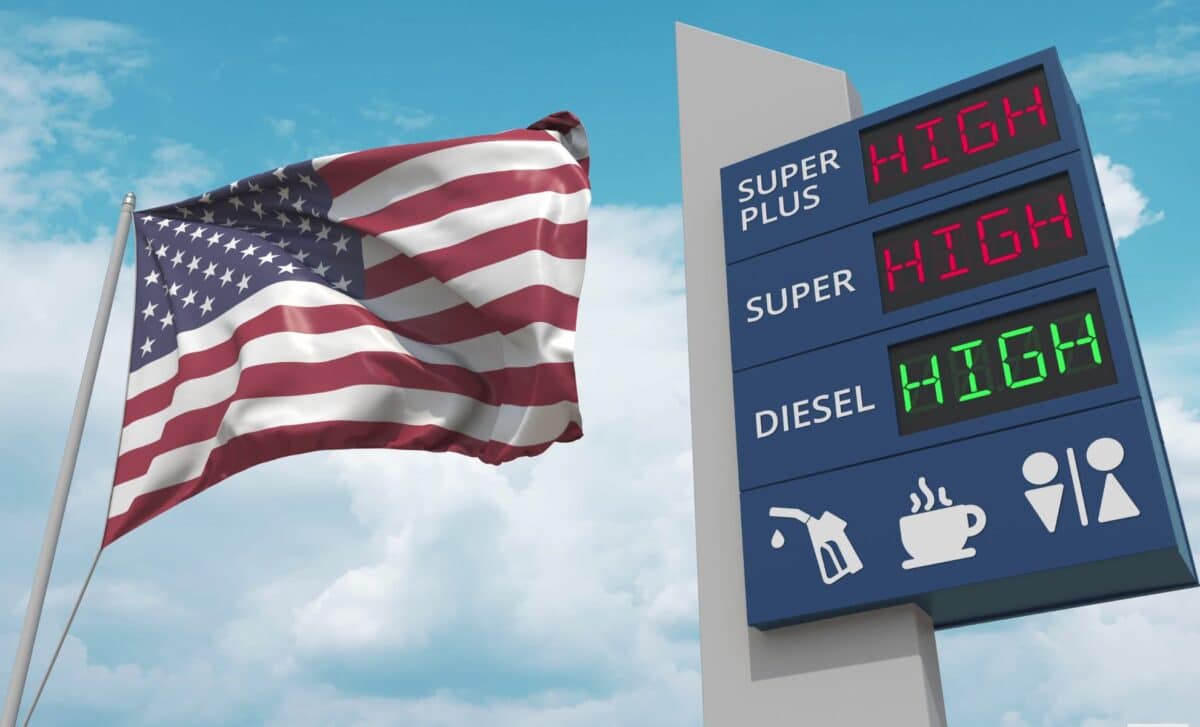
The ongoing conflict has significantly impacted the global oil market, and analysts are warning that high gas prices could be the norm for the foreseeable future. Even with a potential peace agreement between the U.S. and Iran, recovery of global oil supply and gas prices is expected to be slow.
According to AAA, national average gas prices continued to climb, hitting $4.55 per gallon as of last Thursday, marking a $0.25 increase from the previous week. This comes even as crude oil prices have dropped. The global fuel squeeze, particularly in the vital Strait of Hormuz, remains a key factor driving up prices, and the situation is unlikely to improve quickly.
The Bottleneck In The Strait Of Hormuz
The Strait of Hormuz, a key chokepoint for global oil supply, has become a focal point of tensions as 20 percent of the world’s fuel passes through it. According to Jalopnik, the ongoing conflict in the Middle East is creating a bottleneck in the strait, which has led to disruptions in the supply chain.
These supply challenges have put pressure on nations to adjust their fuel procurement strategies, with the U.S. stepping in to export oil to Europe, Africa, and Australia. However, as Asia, particularly China, struggles with jet fuel shortages, the global fuel supply remains fragile.
Even if peace were to be reached between Iran and the U.S., the gradual reopening of the strait and the rebuilding of oil infrastructure would take considerable time, preventing immediate relief in fuel prices.
Refinery Shutdowns Worsen The Squeeze
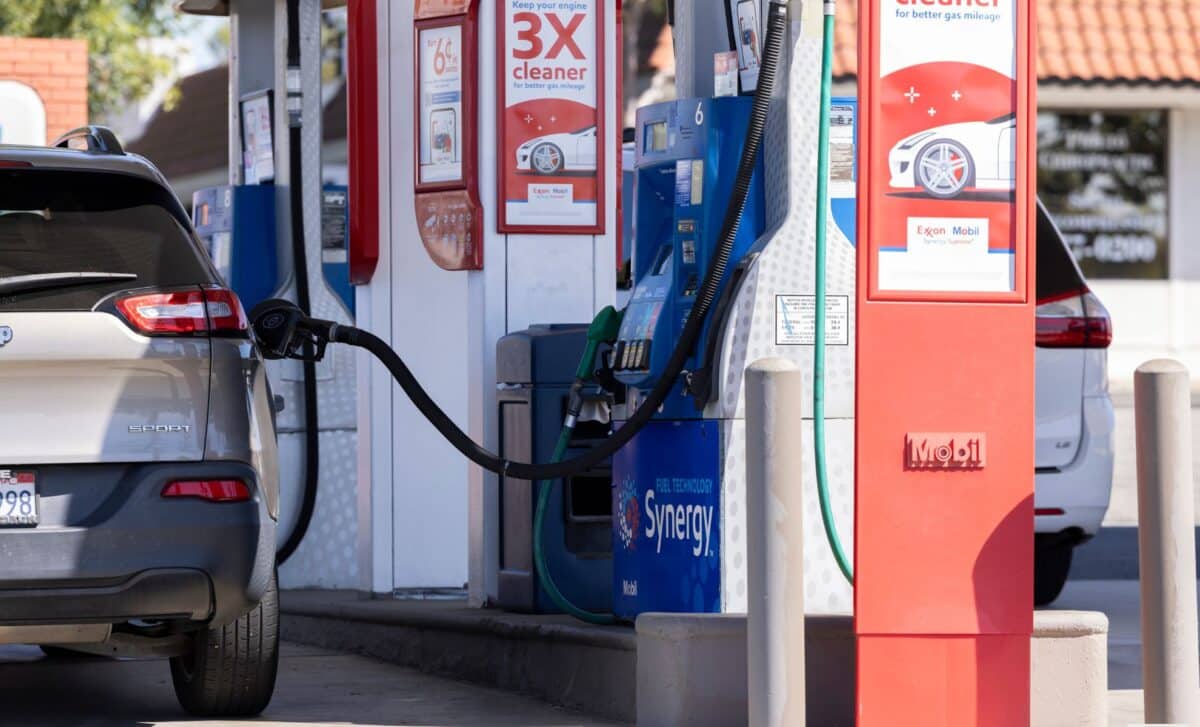
In addition to the geopolitical tensions, last week’s shutdown of major refineries in the American Midwest has exacerbated the already tense fuel situation. These closures have further reduced the region’s gas supply, driving up prices for consumers. The closures are an unfortunate but significant event that complicates an already volatile fuel market.
While the war and the disruptions in the Strait of Hormuz have been the primary contributors to the rise in gas prices, these refinery shutdowns have highlighted the vulnerability of the U.S. fuel supply chain. Drivers in the Midwest, in particular, have felt the pinch, with higher fuel costs cutting into their wallets.
A Long Road To Recovery
While some analysts suggest that gas prices could come down by a third in the next few months, the process of restoring the global oil supply will take years. Once, and if, Iran and the U.S. reach a peace agreement, the reopening of the Strait of Hormuz would be phased in over about 30 days, according to analysts. After this, nations will likely begin replenishing their oil reserves, which were heavily impacted by the conflict.
However, with infrastructure damage in Iran and the region’s ongoing instability, analysts predict that gas prices won’t return to pre-war levels until early to mid-2027. GasBuddy’s Patrick De Haan noted that while some relief is expected in the near future, the current trajectory suggests that high prices could persist well into the next several years.
While peace may eventually provide a glimmer of hope for consumers, the full recovery of the global fuel supply remains a distant prospect. With geopolitical tensions and refinery issues still at play, gas prices are expected to remain high, offering little relief for U.S. drivers in the near future.