
The decision, first announced by Trump last week, comes amid mounting tensions between the U.S. and the EU. The proposed tariff increase is tied to claims that the European Union has not adhered to the terms of last year’s trade deal.
The escalation reflects broader geopolitical disagreements, particularly over issues like the conflict in Iran and military deployments in the Middle East. As both sides prepare for a potential standoff, the dispute threatens to deepen the rift in transatlantic relations.
Tariff Increase Signals Continued Tensions Over Trade Deal
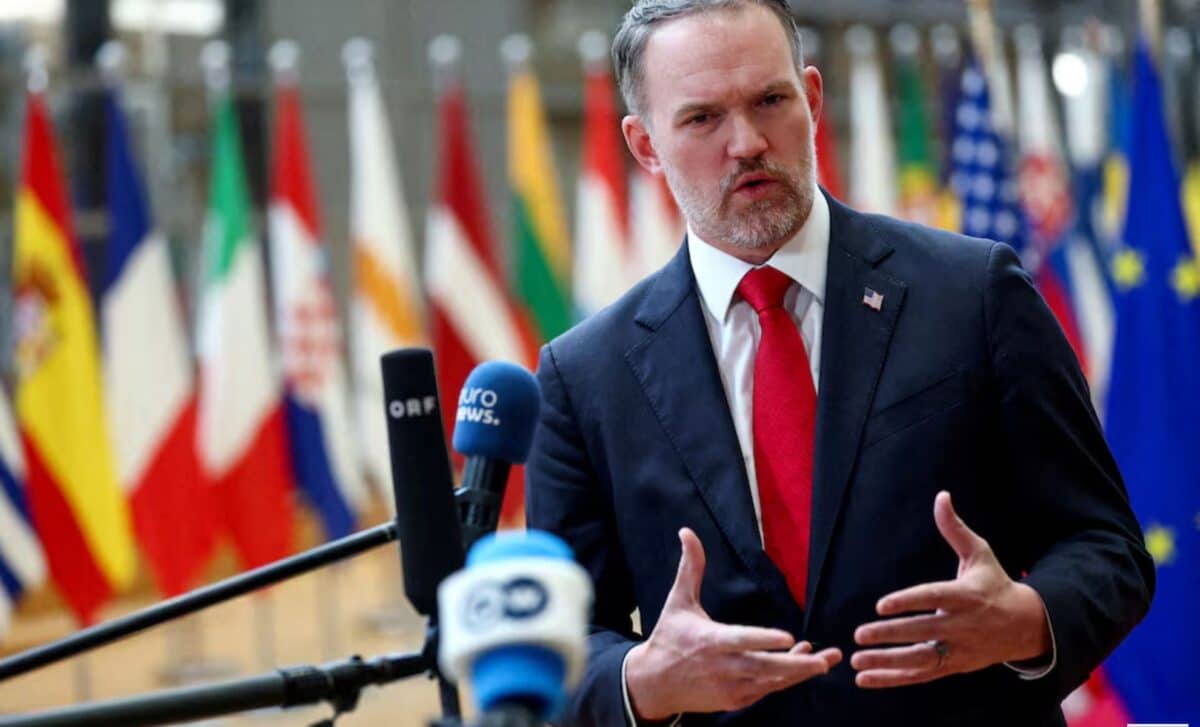
On May 4, Greer clarified that the U.S. would move forward with the tariff hike, confirming his weekend discussions with both European and German officials, according to Reuters. “I was in contact with both European and German trade officials this weekend to help them understand why this was happening and remind them of all the conversations we’ve had about their compliance,” Greer told CNBC.
He emphasized that the tariff increase was “one part of the deal,” framing it as a component of broader negotiations, but did not provide clarity on whether the change would be permanent.
Trump’s decision to raise tariffs on European cars from 15% to 25% marks a significant escalation in the trade dispute, which began with the imposition of a 25% global automotive tariff under the guise of national security concerns last year.
In August, the U.S. and the EU reached an agreement to reduce the tariff to 15%, but now the U.S. appears to be reversing course.
European Union Rejects U.S. Claims Of Non-Compliance
The European Commission swiftly rejected President Trump’s assertion that the EU had failed to comply with the trade agreement. Brussels maintained that it had fulfilled its obligations, a stance that has added to the friction between the U.S. and the EU.
According to the European Commission, the United States’ claim is unsubstantiated, and the bloc has warned that it would explore all available options to protect EU interests if Washington breaches the terms of the agreement.
This conflict is not just about trade policies; it is also rooted in a broader geopolitical context. The U.S. has expressed dissatisfaction with European countries’ refusal to send navies to the Strait of Hormuz amid tensions in the region, and recent comments from German Chancellor Friedrich Merz accusing the U.S. of being “humiliated” in talks with Iran have only exacerbated the situation. These diplomatic issues have underscored the fragile state of relations between the two global powers.
Impact On The Automotive Industry
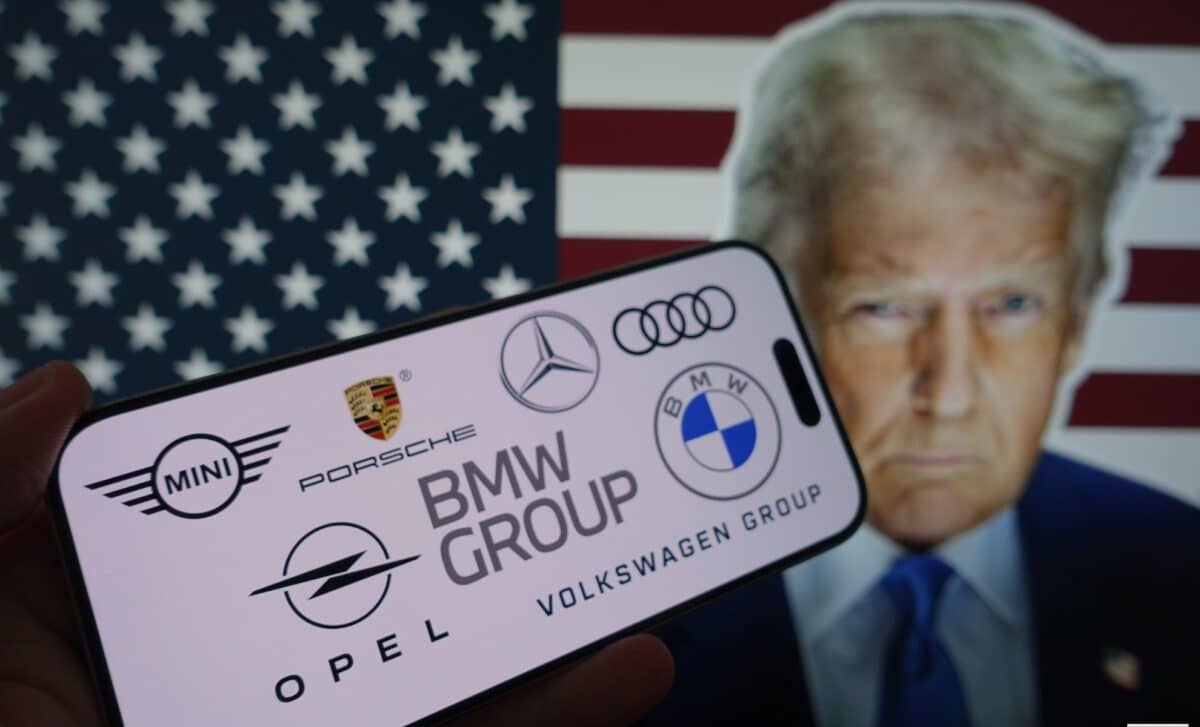
The immediate impact of the tariff hike is being felt in the European automotive sector, which saw a notable drop in stock prices following Trump’s announcement. Shares of major German carmakers, including Porsche, BMW, Mercedes-Benz, and Volkswagen, each fell between 2% and 3% as of May 4. This decline reflects the concern in the industry that the tariff increase will further strain manufacturers already coping with the challenges of international trade.
The automotive sector is particularly vulnerable to such tariffs due to the high volume of U.S. imports of European cars. The tariffs would likely drive up costs for U.S. consumers, making European cars more expensive and potentially reducing demand for imports. Analysts have warned that such actions could have long-term implications for the broader European economy as well.
As the situation develops, all eyes are on whether the U.S. will proceed with the tariff hikes or reconsider its stance amid continued diplomatic efforts. For now, the trade conflict remains a key point of tension in U.S.-EU relations.