
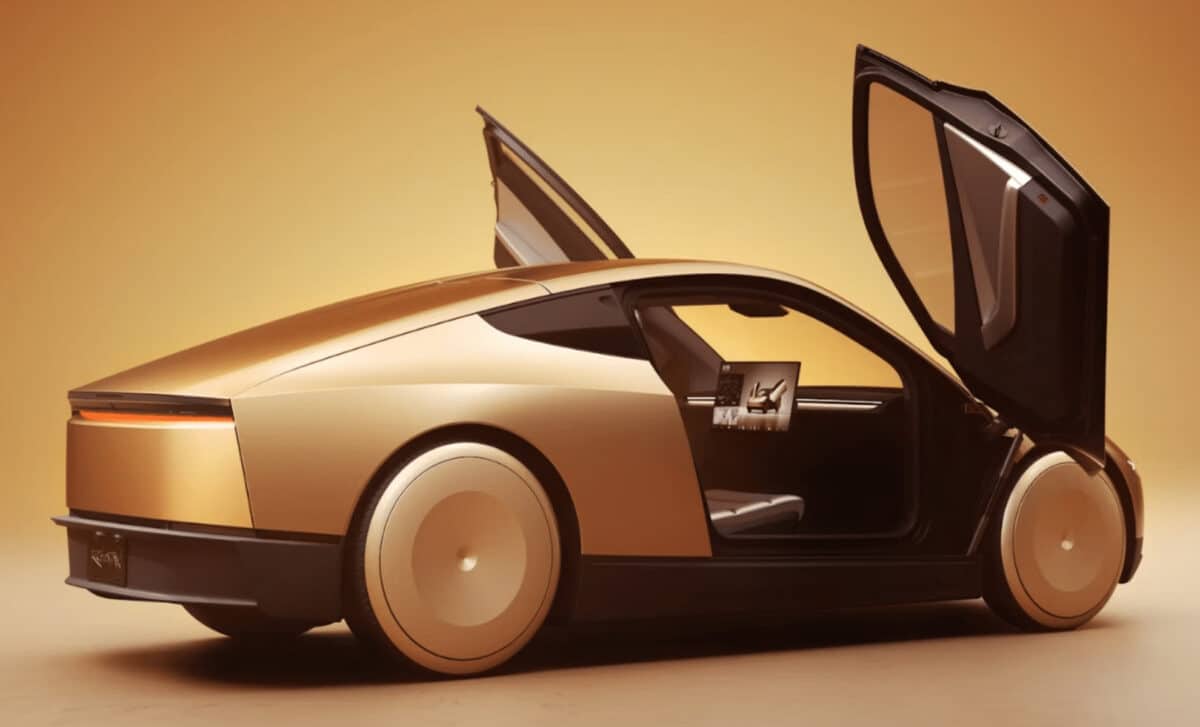
Despite Elon Musk’s bold declaration of a production start in April 2025, Tesla has yet to apply for the crucial approval from the National Highway Traffic Safety Administration (NHTSA) to operate a vehicle without standard controls like a steering wheel and pedals. Without this regulatory exemption, the Cybercab cannot legally hit the streets.
The Cybercab is central to Tesla’s future vision of a fully autonomous, driverless transportation network, but its rollout has become entangled in a legal quagmire. The vehicle’s design, which excludes conventional features like mirrors and manual controls, defies current U.S. vehicle safety standards.
While Tesla is pushing ahead with its timeline, the company has not yet secured the necessary permissions, and without them, its ambitious plans for the robotaxi service may be delayed indefinitely.
A Regulatory Gap for the Cybercab
Tesla’s vision for the Cybercab revolves around an electric, fully autonomous vehicle that operates without the usual human intervention tools such as a steering wheel, pedals, and mirrors. Musk’s goal is to make it the most affordable vehicle in Tesla’s lineup, priced below $30,000.
However, according to Forbes, Tesla has yet to apply for the necessary exemption from NHTSA, which is crucial for the vehicle to legally operate on U.S. roads. Federal laws currently mandate that passenger cars have standard features, including steering wheels and side mirrors, which the Cybercab lacks.
This regulatory issue is compounded by the fact that changes to safety rules for autonomous vehicles are still under review and unlikely to be finalized before the planned production start.
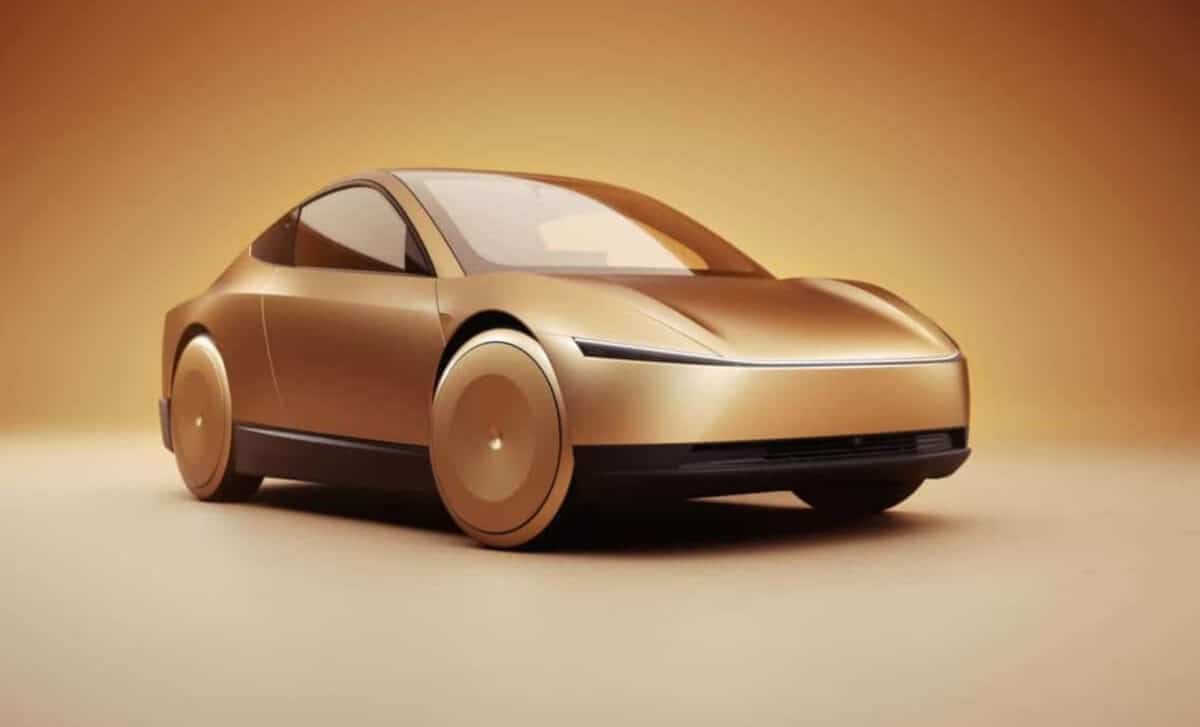
Timeline Under Threat
Musk’s grand plans for the Cybercab are running up against the realities of government regulations. As of late November 2025, Tesla has not filed the paperwork with NHTSA to obtain an exemption for its unique vehicle design. According to Supercar Blondie, this legal hurdle could seriously threaten the vehicle’s release schedule.
Tesla had initially targeted a production start for April 2025, but without the exemption, it cannot legally bring the vehicle to market. This regulatory gap leaves Tesla in a precarious position, as its competitors in the autonomous space, like Zoox, have already sought and obtained similar exemptions. Unless Tesla follows suit and submits its exemption request, the Cybercab will be grounded, no matter how close production gets.
Mixed Signals on Design and Safety
In addition to the regulatory delay, Tesla has been sending mixed signals about the Cybercab’s design. As recently as October 2025, Tesla’s board chair, Robyn Denholm, suggested the vehicle might need a steering wheel and pedals to comply with U.S. safety rules. However, Elon Musk later contradicted this, reaffirming that the Cybercab would be steering-wheel-free, as initially planned.
This inconsistency has only added to the confusion surrounding the Cybercab’s future. According to Forbes, Tesla’s shifting statements raise doubts among customers and industry experts about what exactly Tesla is building and when it will be ready.
While rivals like Waymo and Zoox have been making steady progress in the autonomous vehicle space, Tesla’s indecision over the Cybercab’s design and its regulatory approval process may hinder its ability to catch up.