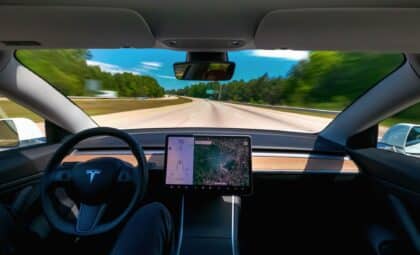

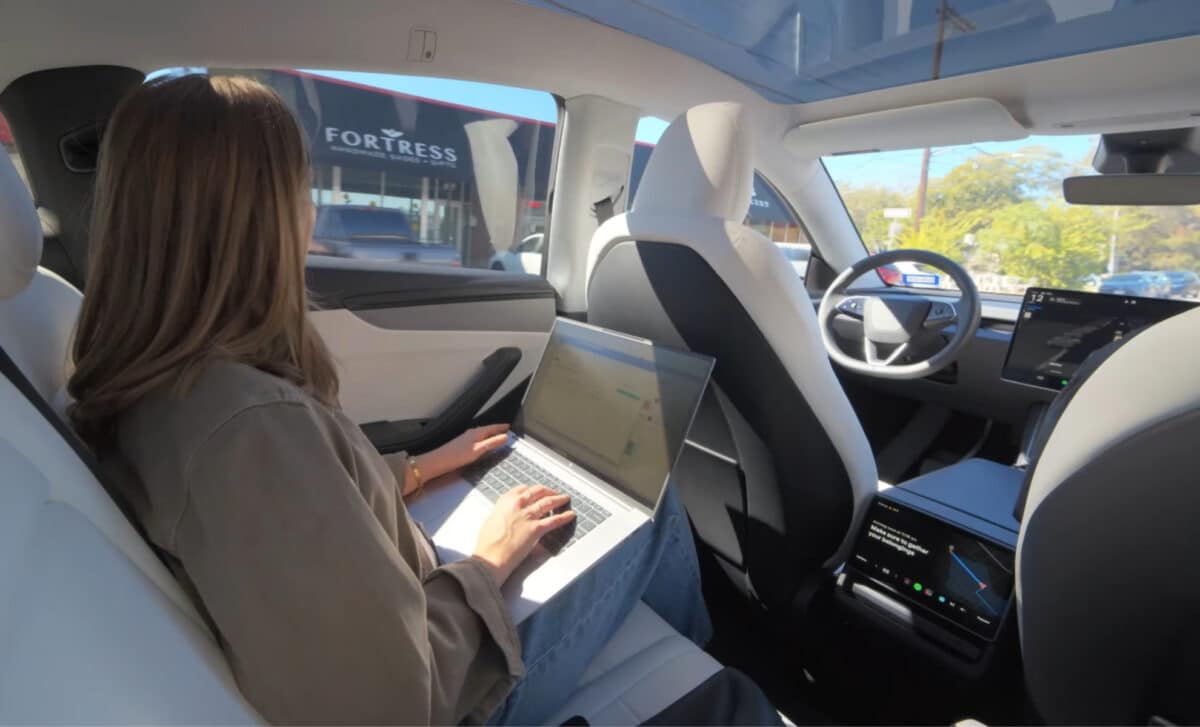
Tesla has long positioned itself at the forefront of autonomous driving technology. Since introducing Autopilot in 2013 on the Model S, the company has gradually expanded its driver-assistance capabilities across its entire electric lineup. These systems have evolved into what Tesla calls Full Self-Driving (FSD), which is theoretically capable of reaching SAE Level 3 autonomy.
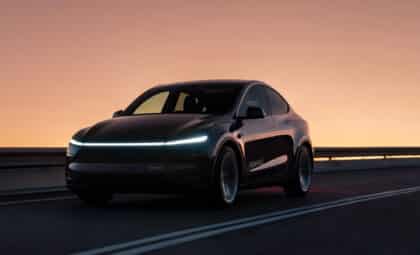
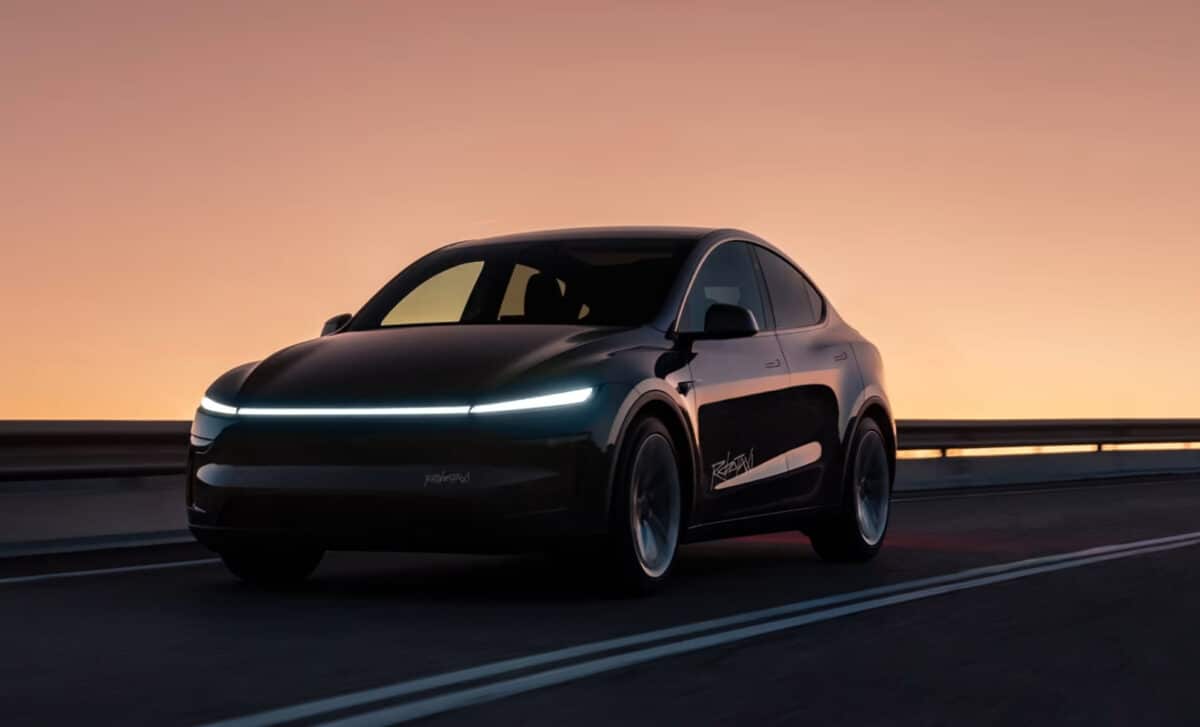
In 2025, Tesla introduced the Cybercab, a vehicle designed without pedals or a steering wheel, signaling a step toward full automation. The concept suggested a car capable of operating without human intervention, aligning with Elon Musk’s long-standing vision of autonomous mobility.
California Regulators Classify Tesla at Level 2 Autonomy
According to the California Public Utilities Commission, Tesla does not qualify as an operator of autonomous vehicle services. The authority explicitly states that Tesla’s technology remains at SAE Level 2, which corresponds to advanced driver assistance rather than full autonomy.
The commission defines autonomous vehicles as those reaching at least Level 3, where an onboard system can independently navigate within specific conditions. In contrast, Tesla’s system still requires constant human supervision. As reported by Auto Plus, regulators emphasized that Tesla “does not operate an autonomous vehicle service” and does not hold the required permit under California regulations.
Cybercab Still Requires a Responsible Driver
Despite its design, the Cybercab does not eliminate the role of a human driver in regulatory terms. Responsibility for the vehicle remains with the person seated behind the wheel, even when automated features are active.
Tesla currently operates under a transportation charter-party carrier (TCP) license, similar to those used by ride-hailing services like Uber. This framework requires a driver to be accountable at all times, regardless of the technology involved. The presence of driver-assistance tools does not change this legal responsibility.
A Strategic Positioning That Avoids Stricter Constraints
This classification places Tesla in a different category from competitors such as Waymo and Zoox, which operate fully autonomous taxi services. These companies must comply with stricter regulatory requirements, including detailed reporting on incidents, performance, and service interruptions.
Tesla’s current positioning allows it to bypass these obligations by remaining within an existing regulatory framework. While this approach enables faster deployment of its services, it also limits the official recognition of its technology as fully autonomous.